Intermittent fasting has become a popular approach to weight management and overall health in recent years. By cycling between periods of eating and fasting, many individuals have found success in achieving their wellness goals. One key aspect that can enhance the benefits of intermittent fasting is meal prepping. Not only does meal prepping save time and reduce stress during the week, but it can also help you save money by avoiding last-minute food purchases or dining out.
Here are some practical tips for saving money through meal prepping for intermittent fasting:
1. Plan your meals: Before you start meal prepping, take some time to plan your meals for the week. Consider incorporating a variety of nutrient-dense foods such as lean proteins, whole grains, fruits, and vegetables into your menu. Planning ahead will prevent impulse purchases and ensure that you have all the ingredients you need on hand.
2. Buy in bulk: Buying ingredients like rice, beans, oats, and frozen fruits and vegetables in bulk can help you save money in the long run. Look for sales or discounts at your local grocery store or consider joining a wholesale club to purchase items at a lower cost per unit.
3. Choose budget-friendly recipes: When selecting recipes for your meal prep sessions, opt for dishes that are cost-effective yet nutritious. Simple meals like stir-fries, grain bowls, soups, and salads are not only easy to prepare in advance but also allow you to stretch your ingredients further.
4. Repurpose leftovers: Get creative with leftover ingredients from previous meals by incorporating them into new dishes. For example, roasted vegetables can be added to omelets or salads, while cooked chicken can be shredded and used in wraps or sandwiches.
5. Use seasonal produce: Seasonal fruits and vegetables tend to be more affordable and flavorful when they are in peak season. Check out local farmers’ markets or community-supported agriculture (CSA) programs for fresh produce at reasonable prices.
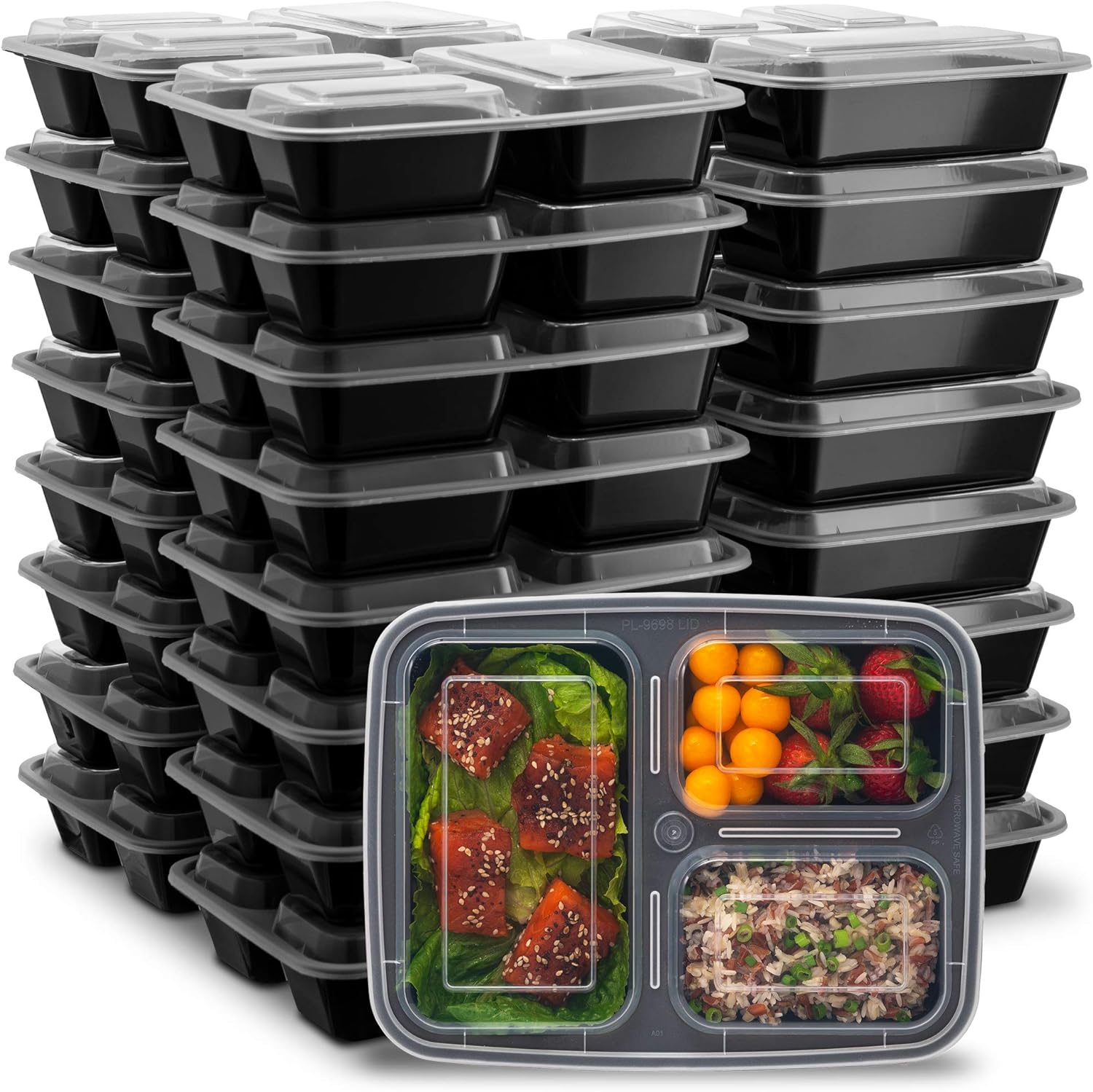
6. Invest in reusable containers: Instead of purchasing single-use plastic containers every week, invest in high-quality reusable containers that will last longer and save you money over time.
7.Plan around sales: Take advantage of weekly sales at your grocery store by planning your meals based on discounted items. Stocking up on sale items like lean meats or pantry staples can help you stay within your budget while still enjoying delicious meals during your fasting periods.
8.Prepare versatile ingredients: Opt for versatile ingredients that can be used in multiple dishes throughout the week. Items like quinoa, tofu, eggs,and canned beans lend themselves well to various recipes such as salads,stir-frys,pastas,and casseroles,making them valuable components of any frugal meal prep routine
9.Limit waste : An essential aspect of saving money through meal prepping is minimizing food waste.When planning out portions,don’t make more than what you realistically need.Store leftovers properly so they remain fresh throughout the week.Research ways to repurpose scraps,such as using vegetable peels,to reduce waste even further
10.Track expenses:Set a budget specifically dedicated towards groceriesand track how much youre spending each month.This awareness will help identify areas where costs could potentially be reduced,making it easierto stick within financial constraintswhile maintaininga healthy diet through intermittent fasting
By implementing these strategies,youcan streamlineyourmeal preparationprocesseswhile keepingcosts low.Through carefulplanning,budgeting,and smart shoppingchoices,youcansuccessfullysavemoneywhile reapingthe health benefitsassociatedwithintermittentfastingMealpreppingshouldn’t breakthe bank;it shouldhelpyoureacheconomicwellnessalongwithphysicalhealth

Leave a Reply