In today’s health-conscious world, incorporating high-protein foods into our diets has become increasingly popular. Whether you’re looking to boost muscle growth, support weight loss, or simply maintain overall health, protein is an essential nutrient that plays a vital role in various bodily functions. From insect protein sources to plant-based alternatives and protein supplements for specific dietary needs, there are plenty of options available for everyone.
**Insect Protein Sources:**
Insects like crickets and mealworms are gaining attention as sustainable protein sources. Packed with essential nutrients like protein, vitamins, and minerals, insects offer a low-impact alternative to traditional livestock farming.
**High-Protein Vegan Meal Ideas:**
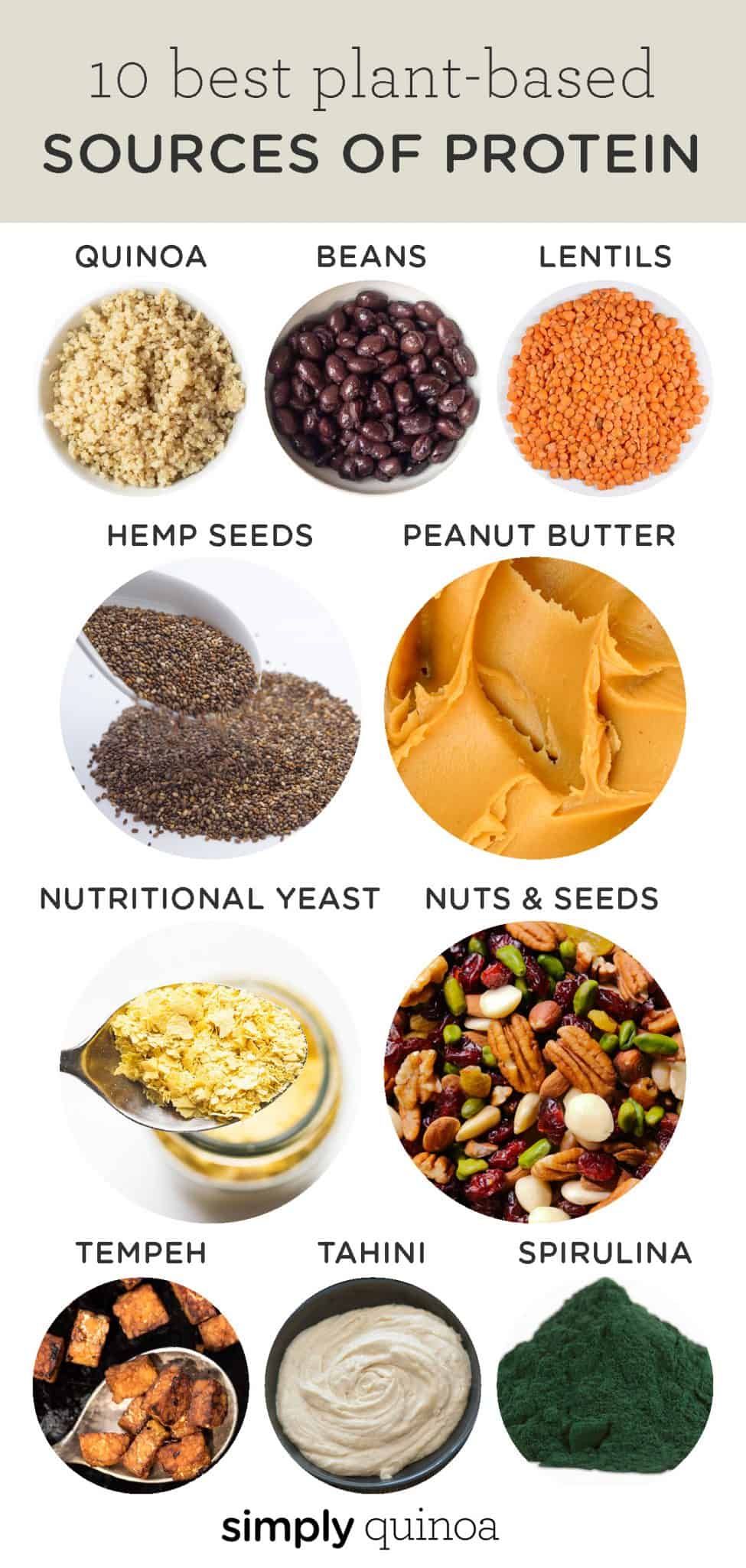
Plant-based proteins such as legumes, tofu, tempeh, seitan, and quinoa can be combined to create delicious vegan meals rich in protein. Think lentil salads, chickpea curry bowls, or tofu stir-fries for a satisfying meatless meal.
**Protein-Rich Grains and Seeds:**
Grains like quinoa and amaranth along with seeds such as chia seeds and hemp seeds are excellent sources of plant-based protein. These versatile ingredients can be used in salads, smoothie bowls, or even baked goods to increase their protein content.
**Fermented High-Protein Foods:**
Fermented foods like tempeh and miso not only provide probiotics for gut health but also offer a good amount of plant-based protein. Incorporating these fermented delights into your diet can help boost your overall protein intake.
**High-Protein Alternatives to Meat:**
For those looking to reduce their meat consumption without compromising on protein intake, options like tofu burgers, black bean patties, or lentil meatballs can be flavorful substitutes packed with plant-based proteins.
**Protein Content in Fruits and Vegetables:**
While fruits and vegetables may not be the first foods that come to mind when thinking of high-protein sources; some like peas (especially green peas), spinach broccoli contain surprisingly decent amounts of the nutrient per serving.
**Protein Supplements for Specific Dietary Needs:**
Individuals with specific dietary requirements may benefit from specialized protein supplements such as pea protein powder for vegans or collagen peptides for joint support. These supplements can help meet daily protein goals effectively.
**High-Protein Breakfast Smoothie Recipes:**
Starting your day with a high-protein breakfast smoothie is a convenient way to kickstart your morning routine while ensuring you get the necessary nutrients. Blend ingredients like Greek yogurt berries almond butter spinach chia seeds milk honey ice cubes until smooth enjoy!
**Protein-Packed Snacks On-The-Go:**
When you’re on-the-go keeping snacks handy is crucial Opting snack options cottage cheese almonds hard-boiled eggs edamame hummus whole grain crackers will keep energy levels up throughout day providing necessary dose proteins!
**High-Protein Desserts Without Added Sugar:**
Who says desserts have be unhealthy? Try desserts incorporate high-proteins without added sugars think Greek yogurt parfait topped fruit nuts cinnamon cocoa powder making tasty treats guilt-free indulgence!
The article continues by exploring additional topics related to high-protein diets including dairy-free options impact cooking methods fortification everyday foods budget-friendly choices requirements different age groups role probiotics enhancing absorption building dishes around world picky eaters friendly muscle fortification individuals conscious consumption levels understanding need balanced approach nutrition incorporating variety sources ensure well-rounded healthy lifestyle readers equipped information make informed decisions regarding incorporation into meals snacks routines ultimately leading improved wellbeing vitality!

Leave a Reply