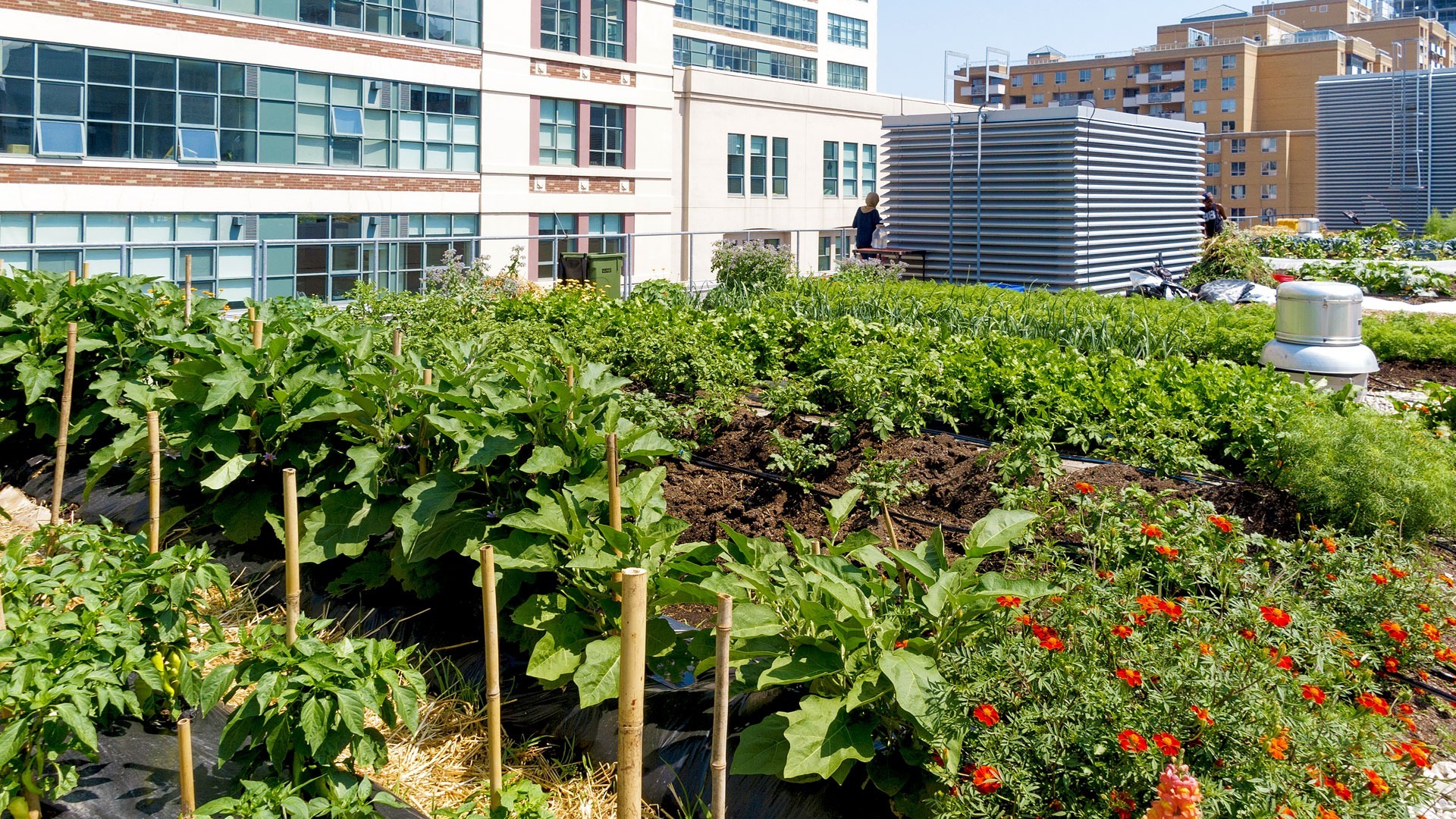
Urban farming has been gaining popularity in recent years as people become more conscious of where their food comes from and strive to live more sustainably. This practice involves growing, harvesting, and distributing food within urban areas, often utilizing small plots of land like rooftop gardens, community gardens, or even indoor spaces. Urban farming not only provides fresh produce to city dwellers but also promotes a sense of community and connection to the food we eat.
Community-supported agriculture (CSA) is another innovative way for consumers to access fresh, locally grown produce while supporting local farmers. In a CSA program, individuals purchase a share of the farm’s harvest at the beginning of the season and receive regular deliveries of seasonal fruits and vegetables throughout the growing period. This direct relationship between farmer and consumer fosters transparency, trust, and a deeper appreciation for the work that goes into producing our food.
For those interested in cultivating their own edible garden at home, there are plenty of tips to help get started. Choosing suitable plants for your climate zone, providing adequate sunlight and water, using organic fertilizers and pest control methods, and practicing crop rotation are all essential elements of successful edible gardening. By growing your own fruits, vegetables, herbs, and even edible flowers at home, you can enjoy a sustainable source of fresh produce right outside your door.
Seasonal eating guides can be helpful tools for planning meals around what is currently in season in your region. Eating seasonally not only ensures that you are consuming the freshest ingredients possible but also supports local farmers by purchasing their most abundant crops. By incorporating seasonal produce into your diet, you can experience a variety of flavors throughout the year while reducing your carbon footprint.
Locally sourced honey from beekeeping operations is another way to support sustainable agriculture practices while enjoying a natural sweetener packed with health benefits. Bees play a crucial role in pollinating crops and maintaining ecosystem balance; therefore, supporting local beekeepers helps protect these vital pollinators. Incorporating locally sourced honey into recipes or simply enjoying it on its own can provide numerous nutritional advantages along with supporting environmental conservation efforts.
Foraging for wild edibles is an age-old practice that has gained renewed interest among modern-day enthusiasts seeking to connect with nature through food exploration. From wild mushrooms and greens to berries and nuts found in forests or meadows, foraging offers a unique opportunity to discover new flavors while respecting natural ecosystems. It is important to educate oneself on safe foraging practices as well as regulations regarding wild harvesting in specific areas before embarking on any gathering expeditions.
Sustainable seafood choices are crucial for preserving marine biodiversity and ensuring responsible fishing practices worldwide. By selecting seafood options that are certified by reputable organizations like the Marine Stewardship Council (MSC) or Aquaculture Stewardship Council (ASC), consumers can make environmentally conscious decisions when purchasing fish or shellfish products. Opting for sustainably sourced seafood helps protect ocean habitats while promoting ethical standards within the fishing industry.
Organic farming practices prioritize soil health, biodiversity conservation,and ecological sustainability over conventional chemical-based agriculture methods.Through avoiding synthetic pesticides,fertilizers,and genetically modified organisms(GMOs),organic farmers cultivate crops using natural techniques such as composting,crop rotation,and biological pest control.By choosing organic produce,you support environmentally friendly farming practices that benefit both human healthand planetary well-being.
Plant-based protein sources have gained traction among individuals lookingto reduce their meat consumptionfor healthor environmental reasons.Incorporating plant-based proteinslike legumes,tofu,tempeth,nuts,and seeds into mealscan provideessential nutrientswhile lowering saturated fat intake.Plant-based proteinsare versatile ingredientsthatcan be usedin various dishesfrom saladsand stir-friesto soupsand smoothies,making themaccessibleoptionsfor individualsfollowingvegetarianor vegan dietsaswell asthoseseekingto diversifytheirprotein sourcesfor overallhealth benefits.
Fermented foods have long been valued for their probiotic contentand gut-health promoting properties.Foods like yogurt,kimchi,sauerkraut,kombucha,and misoare fermentedusing beneficial bacteriaor yeastthat aid indigestionand boostimmunesystem function.Consumingfermentedfoodsona regular basiscan helpmaintaina healthygutmicrobiome,balanceintestinal flora,and improve nutrient absorptionwithinthe body.Addingfermentedfoodsto yourdietis an easywayto enhanceoveralldigestivehealthandsupportoptimal wellbeing.
Heirloom vegetable varieties offer unique flavors,textures,colours,andnutritional profilesdueto theirdiverse genetic heritage.Unlikehybridor geneticallymodified varietiesthat havebeenbredfor uniformityandincrease yieldheirloom vegetablesretaintheirlong-standingtraitsby beingopen-pollinatedandreproducingtrue-to-type seeds.Heirloomvarietiesof tomatoes,potatoes,corn,zucchini,and othervegetablesaddinterestto culinary creationswhile preservingbiodiversityinagriculture.Supportingsmall-scalefarmerswho growheirloomvegetablescanhelppreserveheritagecropvarietiesandenrichourculinary landscapewithdiverse,tastyingredients.
Food preservation techniques offer practical solutionsto extendthe shelflifeofperishableitemswhile retainingtheirflavor,nutrients,color,andtexture.Canning,drying,pickling,salting,freezing,gellingsmokingare commonmethodsof preservingfruitsvegetablesmeatfishdairyproductsby inhibiting microorganismgrowthoxidation enzymaticreactionsthatcause spoilage.Processedfoodslike jams,jellies,pickles,driedfruitjerkycheesesrepresentexamplesoffoodsthathavebeenpreservedusingthese traditionaltechniques.Preservingfoodsisanartformthat allowsculinarystaplestobe enjoyedlongafterharvestseasonsconcludecontributingtoa sustainableapproachtominimizewasteandexperimentwithnewflavorsyear-round.
Farm-to-school programs aimtopromotehealthyeatinghabitsamongchildrenby sourcinglocallygrownproduceforschoolcafeteriamenus.Suchprogramsnotonlysupportlocalfarmersbutalsoeducatestudentsaboutwheretheirfoo
comesfromhowit’sgrownthedifferenttypesoffruitsveggieavailableeachseason.Incorporatingfreshnutrient-densefoodsinto schoolmealsoftenresultsinhigherconsumptionratesofsaiditemssincestudentsappreciatethequalitytasteproduce.Programsmayalso includeschoolgardenscookingclassroomactivitiesfieldtrips whichenhancestudentengagementwithfreshfoodssustainabilityconceptsinspirelifelonghealthyhabitsindividualseffectivelyconnectwithnaturethroughtheirfoodchoicesatanearyoungage.
Indigenous food sovereignty refers topolicypracticesthataimtocultivateself-sufficiencyamongIndigenouscommunitiesregardingtraditionalfoodsourcedirectlyfromtheland.TypicallyassociatedwithNativeAmericanFirstNationsculturesindigenouseatsovereigntyacknowledgesthetraditionalknowledgeofnativetribesancestorsrespectstorightsaccessresourcespromotesecologicalstewardshipinharmonywithnature.Understandingthetruevalueofindigenousdietshelpsustainculturaltiesreclaimtraditionalpracticesprotectuniqueingredientsthroughlandconservation.Learnmoreaboutindigenousfoodeducateothersonthisimportantaspectofsustainableeatingculturetoday!
Zero-waste cooking advocatesforeliminatingfoodwasteduringmealpreparationconsumptionprocessesby creativelyusingallpartsingredientsedibleitemsrecipes.Zero-wastechefsembraceroot-to-stemcookingbanishingthrowawaymentalitywhenitcomestocookingleftoverstalkpeelsrindscoresutilizedmakebrothsstockscompostscrapsfeedanimals.Focusingonefficientresource utilizationalongsideportioncontrolproperstorage techniquestransformskitchenintosustainabilityhubwhereeverylastbitoffoodservepurposefulfunctionencourageenvironmentalconsciousnesswon’tbethrownawayrathertransformedintoanotherdeliciousdishtomorrow!
Regenerative agriculture prioritizesrestoringhealthylivingsoilsenrichedbiodiversitycarbon-sequestrationwaterretentioncapacityoptimizedcropproduction.Regenerativefarmersembarkonholisticlandmanagementpracticesthatenhanceecosystems’multi-functionalitiespromotecarbonneutralityclimatechange mitigation.Regenerativeagriculturetechniquessuchascroprotationcover croppingno-tillfarmingpolycultureintegratesoil-buildingmethodsrenewableresourceutilizationsymbioticecosystemrelationships.Growingawarenessregenerativeagriculturehighlightsecologicalbenefitsadoptingsustainablefarmingprinciplestechniquestoprotectnaturalresourcesensurelong-termagro-ecosystemresilienceproductivityglobalagri-foodsystems.
Herbal remedies teas havebeenharnessedforculturalmedicinalpurposescenturiesusedpreventivetreatmentscommonailmentschronicconditions.Herbalsupplementsmadeplantpartsbarksrootsflowersleavesextractspowdersoffernaturalalternativespharmaceuticaldrugsmanypeopleseekoutremedyminorillnessessupportoverallwell-beingwithoutexperiencingunwantedsideeffects.Medicinalherbslikelavenderchamomileechinaceapeppermintgingermaysippedhotcoldbrewedteabeveragesinfusionsincorporatedintosalvesointmentsbathsaltsaromatherapydiffusers.Educateyourselfonthepropertiesusesmedicinalplantscreatepersonalherbalremedykitsstartjourneytowardsgreaterwellnessnaturally!
Permaculture principles embodydesignmethodologiesbasedonobservationimitationnaturalpatternsecologicalsystemsimproveefficiencyproductivitysustainabilityhuman-settlementsagriculturalproduction.Permaprinciplessuchasstackingelementsinterconnectedsystemswateruseefficiencysolar-orientedstructuresinnovativegardendesignpermablitzcommunityworkshopspromotingcollectiveworkcollaborationsharingknowledgeexchange.Highlyversatileadaptablepermaphilosophyapplicableanysettingurbanruralareasadvocateforgreaterenvironmentalconsciousnessempowerindividualsocreateabundantproductiveenvironmentsalignedwithnature’swisdomguidance
Biodynamic farming methods integrateorganicpracticesastronomyastrologyanthroposophyphilosophicalfoundationspromotecircularrelationshipsnaturalworldhumansplantsanimals.Biodynamicfarmersviewfarmasanorganicsystemlivingorganismsworkingharmonybalancecosmos.Nurturingspecialrelationshipsbetweensoilplantanimalhealthencourageslopingbiodiversityincreasingresiliencefarmlandagainstpestsdiseasesweatherpatterns.BiodynamicCSAcertificationsindicategrowersfollowbiodynamicstandardscreatingholisticallybalancedproductivefarmlandprovidespeoplehigh-qualitynutritiousproducealignedsunmoonplanetcyclesconstellationalignments
Aquaponics hydroponics representinnovativeindoorgrowingmethodsthatarebasedonsustainingclosed-cyclesystemscombiningaquaculturedhydroculture.Aquaponicsblendsaquaticlivestockfishnutrition-richwatersuppliedhydroponically-grownplantsabsorbammonia-nitratescleanwaterrichnutrientsreturningtankshydroponicsreliesonnutrient-watermixtureprovidessustainedgrowthroot-absorbedmineralsvitalhumiditytemperaturecontrols.Utilizingaquaponicshydroponictanksenablegrowersenjoyyear-roundharvestsfreshherbsgreensotherproduceavoidchemicalpesticidesfertilizersreducewaterusageoptimizeurbanverticalspacepotential.Createyouraquaponichydroponicsystemhomeexperiencejoyharvestingownhome-grownfreshfareday!

Leave a Reply