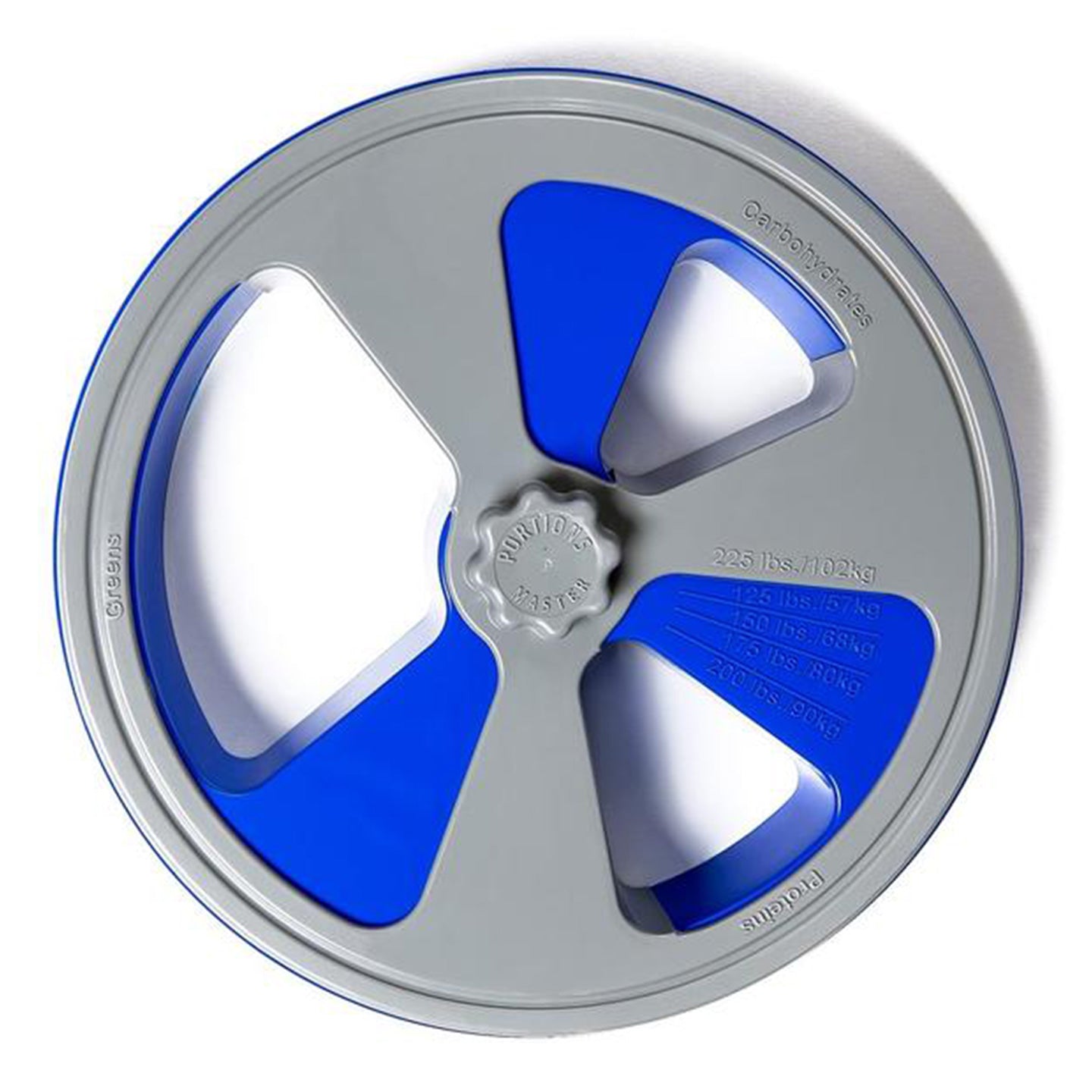
Portion control is a crucial aspect of maintaining a healthy diet and achieving weight loss goals. By being mindful of the amount of food we consume, we can prevent overeating and ensure that we are providing our bodies with the right balance of nutrients. Whether you are trying to shed some extra pounds, maintain your current weight, or simply improve your overall health, practicing portion control can make a significant difference in reaching your health and wellness objectives.
**Tips for Measuring Portions:**
Measuring portions accurately is key to effective portion control. Investing in measuring cups and spoons can help you gauge serving sizes for various types of food items such as grains, proteins, fruits, and vegetables. Additionally, using a kitchen scale can provide precise measurements for ingredients like meats and nuts. Keeping these tools handy in your kitchen will make it easier to monitor your portion sizes consistently.
**Healthy Portion Sizes for Different Food Groups:**
Different food groups require different portion sizes to maintain a balanced diet. For example:
– Proteins: A palm-sized portion (about 3-4 ounces) is typically recommended.
– Grains: One serving of grains is usually equivalent to one slice of bread or half a cup of cooked rice or pasta.
– Vegetables: Aim to fill half your plate with non-starchy vegetables like leafy greens or colorful veggies.
– Fruits: A medium-sized fruit or half a cup of chopped fruit makes up one serving.
**Portion Control While Dining Out:**
Eating out at restaurants often leads to larger-than-necessary portions being served. To combat this challenge:
– Consider sharing an entree with someone else.
– Ask for half the meal to be packed up before it even reaches the table.
– Opt for appetizers or starters as your main course.
– Be mindful of hidden calories in dressings, sauces, and sides.
**Portion Control Tools and Gadgets:**
There are several tools available that can assist you in managing portion sizes effectively:
– Portion control plates help visualize proper proportions on each plate section
– Meal prep containers allow you to pre-measure meals for easy grab-and-go options
– Smart scales sync with apps on smartphones to track food weights
**Portion Control Plate Method:**
Using a portion control plate divides the plate into sections dedicated to proteins, carbohydrates, and vegetables/fruits. This method simplifies meal planning by visually showing appropriate amounts while ensuring balanced nutrition intake.
**Snack Portion Control Ideas:**
When snacking throughout the day:
– Prepackage snacks into individual servings
– Choose whole foods like fruits, veggies, nuts which come in natural portions
– Avoid eating straight from large bags or containers
**Portion Control for Desserts:**
Enjoying desserts doesn’t have to derail your healthy eating efforts:
– Share desserts when dining out
– Opt for smaller dessert options when possible
– Create single-serving desserts at home
**Importance of Portion Control in a Balanced Diet:**
Maintaining proper portion sizes plays a critical role in achieving nutritional balance within our diets:
– Prevents overconsumption leading to weight gain
– Ensures essential nutrients are consumed without excess calories
– Supports overall energy levels throughout the day
**Understanding Serving Sizes vs. Portion Sizes:**
Serving sizes listed on packaging may differ from what constitutes an appropriate personal portion size based on individual needs such as age, gender & activity level. It’s important not only consider labeled servings but also listen to hunger cues & monitor how foods impact satiety levels after consumption.
**Mindful Eating Techniques for Portion Control:**
Practicing mindfulness during meals aids in recognizing hunger & fullness signals more effectively allowing us consume just enough rather than too much:
1) Eat slowly & savor each bite
2) Put down utensils between bites
3) Focus solely on eating without distractions
By engaging fully during mealtimes individuals tend more attuned their body’s natural cues leading them better manage their calorie intake accordingly.
**Teaching Kids About Portion Control**:
Educating children about healthy serving sizes early instills good habits enriches their relationship with food as they grow older:
1) Demonstrate correct portions using visuals like hands spread wide indicating vegetable portions etc.,
2) Encourage children serve themselves teaching self-regulation,
3) Make learning fun through games quizzes regarding nutritious choices
Incorporating Variety Into Controlled Portions
The beauty controlled portions lies ability enjoy diverse array foods without worry overeating:
1) Experiment new recipes incorporating multiple ingredients,
2 ) Mix match different flavors textures create exciting dishes,
3 ) Rotate seasonal produce keep things interesting variety keeps mealtime enjoyable prevents monotony,
Benefits Practicing Portional Controls:
Adopting strategies benefit embracing portional controls include:
Improves digestion process due lesser load stomach promoting regular bowel movements,
Aids regulating blood glucose levels preventing spikes crashes aiding diabetes management,
Promotes feelings satisfaction reducing likelihood snacking unhealthy treats craving sugary junk foods helps achieve dietary goals
Challenges Overcome Strategies Implementing Solutions:
Overcoming initial resistance smaller servings gradually reduce encourage gradual lifestyle changes lasting success avoiding sudden restrictions causing frustration ultimately giving up altogether
Takeaway
Learning practice portional controls requires patience consistency understanding allows long-term success healthier happier life don’t discouraged setbacks celebrate progress made along way Remember every small step towards better dietary habits counts positive journey empowered choices lead improved well-being increased vitality daily life.

Leave a Reply