Sprouting and microgreens have gained popularity in recent years as they are not only delicious but also packed with nutrients. These tiny greens are easy to grow at home and can add a nutritional boost to your meals. In this post, we will explore the benefits of sprouting and microgreens, how to grow them at home, and some creative ways to incorporate them into your diet.
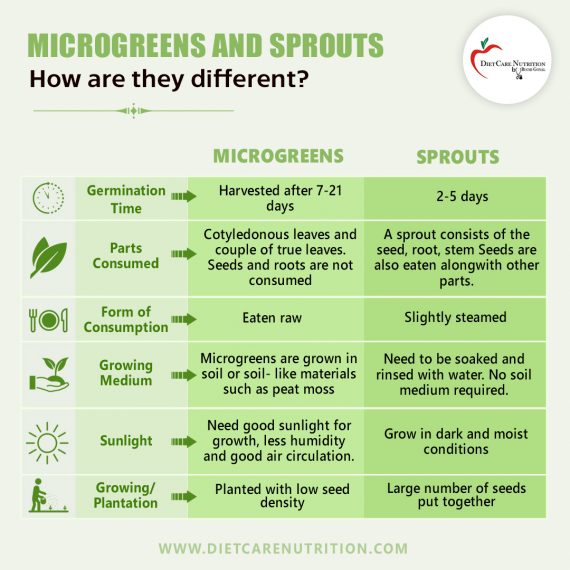
Let’s start by discussing the differences between sprouts and microgreens. Sprouts are germinated seeds that are typically consumed whole – root, seed, and shoot. They are usually harvested within a few days of germination when the plant is still in its early stages of growth. On the other hand, microgreens are young vegetable greens that are harvested just after the first true leaves have emerged. Microgreens have more developed flavors compared to sprouts and are often used as a garnish or added to salads for an extra burst of flavor.
One of the main benefits of sprouting and growing microgreens is their high nutrient content. During the germination process, seeds activate enzymes that increase their nutrient levels significantly. Sprouts and microgreens contain essential vitamins, minerals, antioxidants, and enzymes that support overall health. For example, broccoli sprouts contain high levels of sulforaphane, a compound known for its anti-cancer properties.
Another advantage of sprouting and growing microgreens at home is that they are cost-effective and convenient. You can easily grow them on your kitchen counter or windowsill without needing a large garden space or specialized equipment. All you need are some seeds, water, sunlight (or artificial light), and a container for growing.
To get started with sprouting at home, choose organic seeds specifically labeled for sprouting as they have not been treated with any chemicals that could inhibit growth or be harmful if ingested raw. Popular choices for sprouting include alfalfa seeds, mung beans, lentils, radish seeds, broccoli seeds among others.
To grow sprouts:
1) Rinse 1-2 tablespoons of seeds thoroughly under running water.
2) Place the rinsed seeds in a clean glass jar.
3) Cover the jar with cheesecloth or mesh secured with a rubber band.
4) Fill the jar with enough water to cover the seeds overnight.
5) Drain out excess water in the morning through the cloth covering.
6) Rinse the seeds twice daily until they germinate (usually within 3-7 days).
7) Once ready (when small roots appear), place them near sunlight for chlorophyll development before consuming.
When it comes to growing microgreens at home:
1) Fill a shallow tray or container with soil or moistened paper towels.
2) Sprinkle organic microgreen seeds evenly over the surface.
3) Lightly cover with more soil/paper towels then mist lightly using spray bottle
4) Keep them in indirect sunlight until they start showing leaves (this takes around 7-14 days)
5) Harvest by cutting above soil level once they reach desired size
Now let’s talk about how you can incorporate these nutritious greens into your diet:
– Add freshly harvested alfalfa or clover sprouts to sandwiches or wraps for an extra crunch.
– Top off salads with colorful radish or beetroot microgreens for added flavor and texture.
– Blend broccoli spouts into smoothies along with fruits like banana & berries
– Garnish soups or stir-fries with pea shoots or sunflower shoots
In conclusion,sprouting & growing Microgreeens offers numerous health benefits while being budget-friendly & easy-to-do hobby .Adding these tasty little plants into your regular meal plans can provide potent nutrition punch alongside adding interesting flavors & textures

Leave a Reply