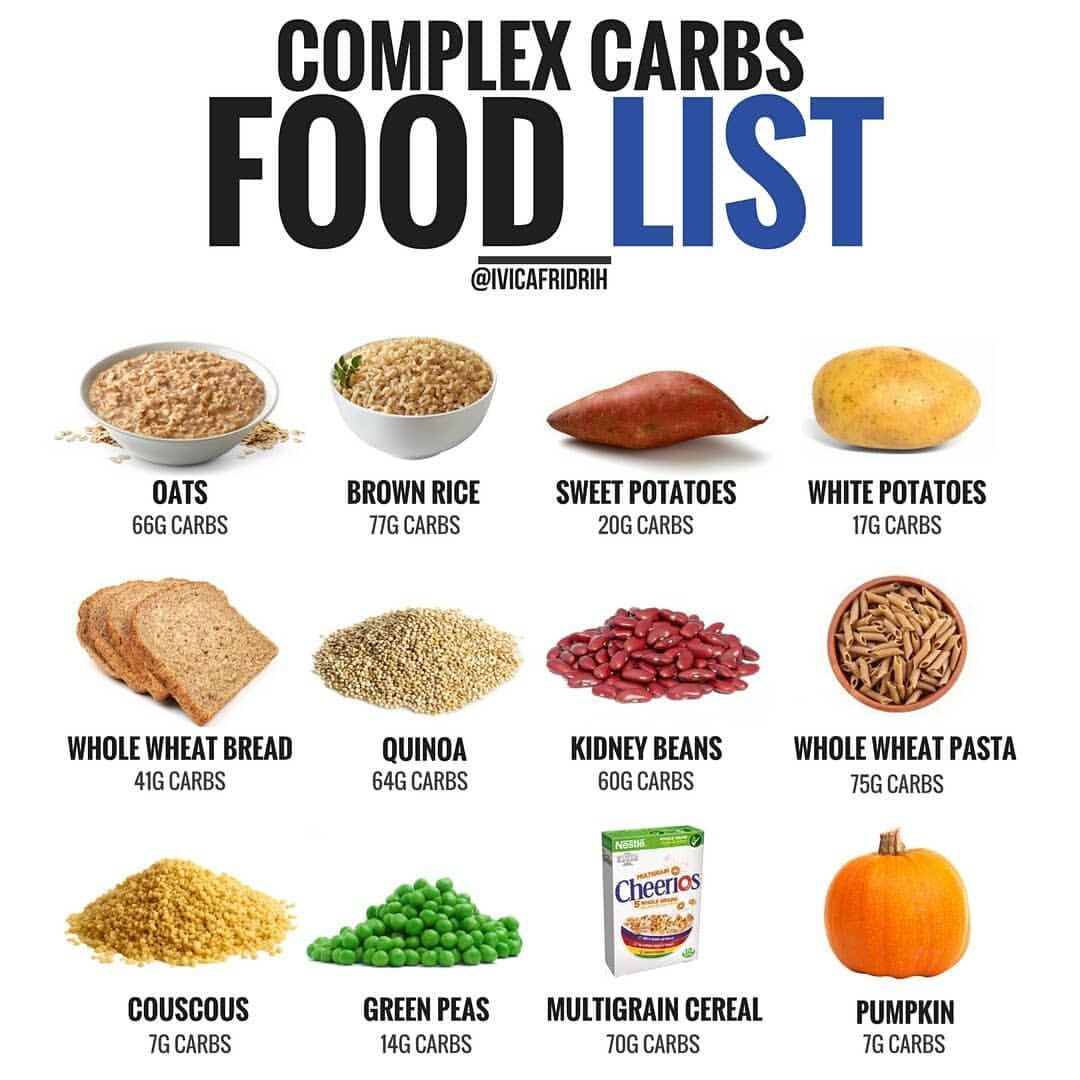
Complex carbohydrates play a crucial role in our diets, providing sustained energy and numerous health benefits. One important concept related to complex carbohydrates is the glycemic index, which measures how quickly a carbohydrate-containing food raises blood sugar levels. Foods with a low glycemic index are digested more slowly, leading to better blood sugar control and sustained energy levels. This makes them particularly beneficial for individuals with diabetes or those looking to maintain stable energy levels throughout the day.
Resistant starch is another key component of complex carbohydrates that has gained attention for its various health benefits. Resistant starch acts similarly to fiber in the body, aiding digestion and promoting gut health. It also helps with weight management by increasing feelings of fullness and reducing overall calorie intake. Sources of resistant starch include green bananas, cooked and cooled potatoes, legumes, and whole grains.
For athletes, incorporating complex carbohydrates into their diet is essential for optimal performance. Complex carbs provide the necessary fuel for endurance activities and help replenish glycogen stores after intense workouts. Whole grains such as brown rice, quinoa, oats, and whole wheat pasta are excellent choices for athletes seeking sustained energy during training sessions or competitions.
When it comes to cooking methods, it’s important to note that some cooking techniques can affect the digestibility of complex carbohydrates. For example, overcooking can break down complex carbs into simpler sugars, increasing their glycemic index. Steaming or lightly sautéing vegetables instead of boiling them can help preserve the integrity of complex carbohydrates.
In traditional cuisines around the world, complex carbohydrates feature prominently in dishes like lentil dal from India, quinoa salad from South America, or barley soup from Eastern Europe. These time-tested recipes showcase the diverse ways in which different cultures have incorporated complex carbs into their culinary traditions for both taste and nutrition.
For vegans and vegetarians looking to meet their complex carbohydrate needs without animal products, options like beans, lentils, tofu (made from soybeans), quinoa (a complete protein), nuts/seeds/avocado (for healthy fats), whole grains like brown rice or oats are excellent choices.
Incorporating ample amounts of whole grains rich in fiber is essential for maintaining good gut health by promoting regular bowel movements and feeding beneficial gut bacteria. Additionally fibers present in fruits & vegetables act as prebiotics supporting gut microbial diversity & overall well-being .
Overall , including a variety of nutrient-dense sources of naturally occurring antioxidants , vitamins & minerals rich foods along with sustainable sourced seasonal variations ensures not only nourishing your body but also contributing positively towards environmental sustainability .
Ancient civilizations also recognized the importance of these foods; ancient Egyptians relied on barley as a staple crop while Aztecs prized chia seeds for their nutritional value.
From improving digestion to enhancing athletic performance , supporting heart health & managing weight , incorporating an array of these wholesome foods not only nourishes us internally but connects us culturally globally through our shared love affair with food!

Leave a Reply