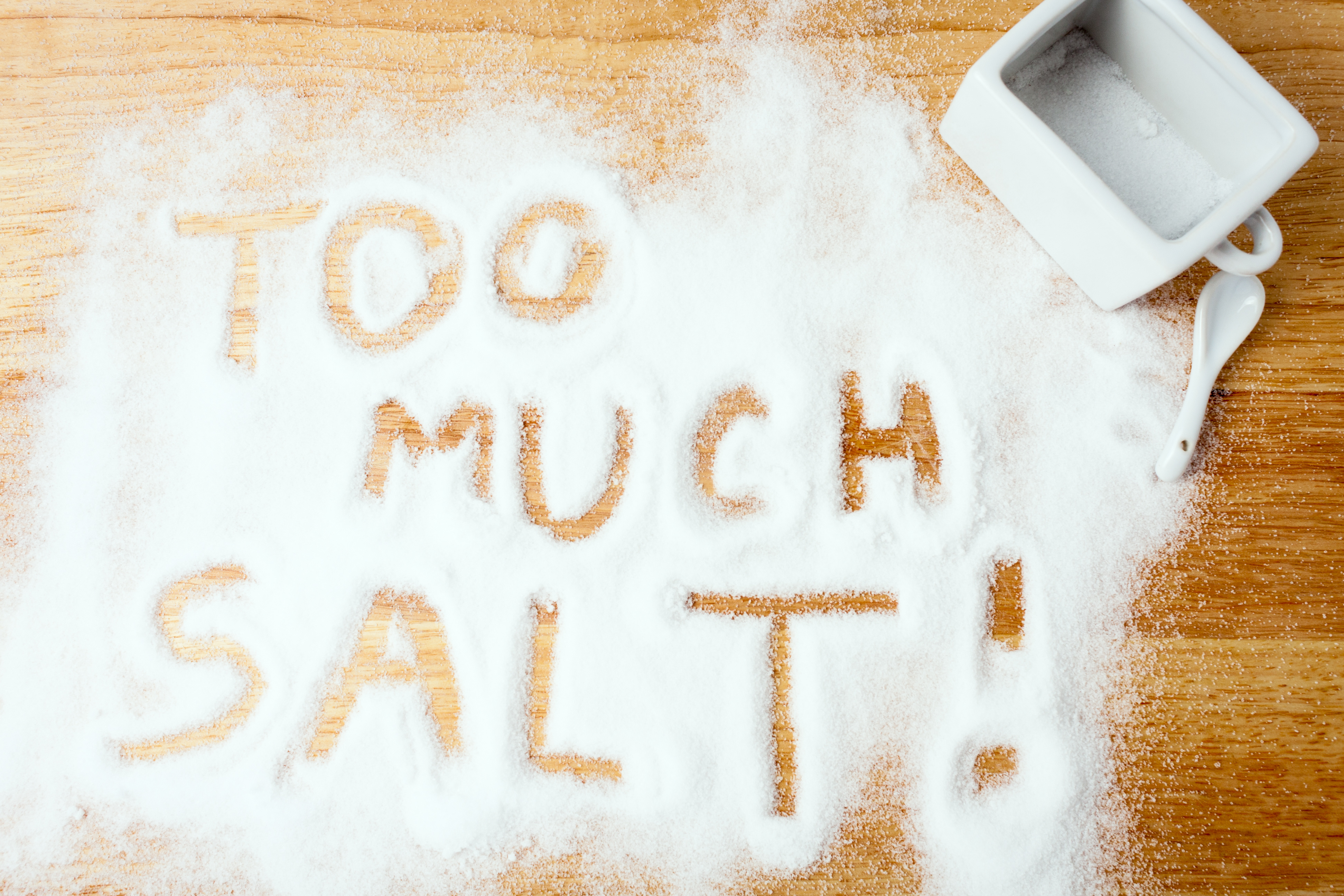
Salt, or sodium chloride, is a common ingredient in many of the foods we consume daily. While essential for our bodies to function properly, too much sodium can have negative effects on our health, particularly when it comes to heart health and blood pressure. Adopting a low-sodium diet can significantly benefit overall well-being and help prevent hypertension and other related conditions.
### Benefits of a Low-Sodium Diet
1. **Heart Health**: Reducing sodium intake can lower blood pressure, thus reducing the risk of heart disease and stroke.
2. **Kidney Function**: Excessive sodium consumption can strain the kidneys over time; lowering intake may promote better kidney function.
3. **Bone Health**: High levels of sodium can lead to calcium loss in bones; a low-sodium diet may help maintain bone strength.
4. **Reduced Bloating**: Sodium causes the body to retain water, leading to bloating; cutting back on salt intake can alleviate this issue.
### Low-Sodium Cooking Tips
– Flavor with herbs and spices instead of salt.
– Use citrus juices or vinegars for added taste.
– Opt for fresh ingredients over processed ones.
### Low-Sodium Meal Planning
– Plan meals ahead to ensure they are balanced and low in sodium.
– Prepare large batches of low-sodium dishes for easy reheating throughout the week.
### Low-Sodium Snacks
– Fresh fruits and vegetables
– Unsalted nuts
– Air-popped popcorn
### Hidden Sources of Sodium in Food
Watch out for high-sodium content in:
– Canned soups
– Packaged snacks
– Processed meats
Pay attention to labels like “low-salt,” “no added salt,” or “sodium-free.”
### Low-Sodium Recipes
Here are some delicious options:
1. Grilled Lemon Herb Chicken
2. Roasted Vegetable Quinoa Salad
3. Black Bean Tacos with Mango Salsa
### Low-Sodium Condiments and Seasonings
Try these alternatives:
1. Fresh herbs like basil, cilantro, parsley
2. Garlic powder instead of garlic salt
3. Homemade vinaigrettes with olive oil and vinegar
### Dining Out on a Low-Sodium Diet
Ask restaurants about their low-salt options or request dishes without added salt or sauces; opt for steamed or grilled items over fried ones.
### How To Read Food Labels For Sodium Content
Look at the % Daily Value (%DV) – aim for 5% DV or less per serving; be cautious with products labeled as “reduced” or “light,” as they may still contain considerable amounts of sodium.
### Incorporating More Fresh Produce into a Low-Sodium Diet
Fruits and vegetables are naturally low in sodium but rich in essential vitamins and minerals – prioritize them in your meal planning.
By making small changes gradually, you can successfully transition to a low-salt lifestyle that benefits your health long-term while still enjoying flavorful meals!

Leave a Reply