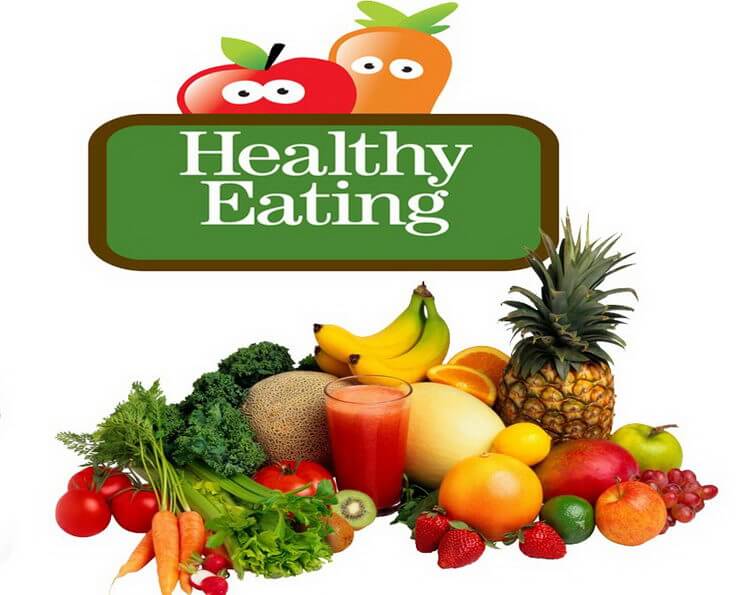
There is no doubt that Tom Brady is one of the most successful and well-known NFL quarterbacks of all time. With seven Super Bowl victories under his belt, he has solidified his place in football history. But what sets Brady apart from his peers isn’t just his on-field performance—it’s also his dedication to a healthy lifestyle, particularly when it comes to eating habits.
Brady follows a strict diet regimen that he believes helps him perform at an elite level even as he approaches 45 years old. Known as the TB12 Method, Brady’s diet focuses on whole foods, lean protein, and plenty of fruits and vegetables. He avoids processed foods, sugar, white flour, and dairy products—a stark contrast to the typical American diet.
One of the cornerstones of Brady’s diet is hydration. He drinks up to 25 glasses of water per day to stay properly hydrated—an essential component for overall health and optimal athletic performance. Staying hydrated not only helps with physical performance but also aids in digestion, circulation, and temperature regulation.
Another key aspect of Brady’s diet is its emphasis on anti-inflammatory foods. Inflammation can hinder recovery and may contribute to chronic diseases over time. By consuming foods rich in antioxidants and omega-3 fatty acids—such as berries, nuts, seeds, and fish—Brady aims to reduce inflammation in his body and promote faster recovery after intense workouts or games.
Brady also prioritizes nutrient-dense carbohydrates like quinoa, sweet potatoes, and brown rice over refined grains like white bread or pasta. These complex carbohydrates provide sustained energy levels without causing spikes in blood sugar—a crucial factor for maintaining stable energy levels throughout the day.
In addition to what he eats, how Brady eats is equally important. He practices mindful eating by focusing on each meal without distractions like TV or phones. This allows him to savor his food more fully while being aware of hunger cues and stopping when satisfied rather than overly full—an approach supported by research showing that mindful eating can lead to better food choices and improved digestion.
While some critics argue that Brady’s diet restrictions are extreme or unsustainable for the average person, there are valuable lessons we can learn from his approach. Prioritizing whole foods over processed ones can benefit anyone looking to improve their health outcomes—from reducing risks of chronic diseases like heart disease or diabetes to supporting weight management goals.
Moreover, adopting elements of Brady’s diet doesn’t have to mean a complete overhaul overnight. Small changes such as swapping out sugary snacks for fruit or incorporating more plant-based meals into your weekly menu can still make a significant impact on your overall health over time.
It’s worth noting that individual dietary needs vary based on factors like age, activity level, medical conditions, or personal preferences—so what works for Tom Brady may not be suitable for everyone. Consulting with a healthcare provider or registered dietitian before making drastic changes to your diet is recommended to ensure you’re meeting your nutritional requirements adequately.
In conclusion,Tom Brady serves as an inspiring example of how prioritizing healthy eating habits can complement peak athletic performance while promoting long-term wellness benefits beyond sports success alone.While we may not all aspire (or need)to match every detail of his precise dietary regimen,his focus on whole,nutrient-rich foods offers valuable guidance for anyone looking towards improving their own nutrition habits.It underscores the power our daily food choices have in shaping our health outcomes,and reminds us that nourishing our bodies with thoughtfully chosen ingredients forms a cornerstone towards achieving optimum vitality at any stage in life.

Leave a Reply