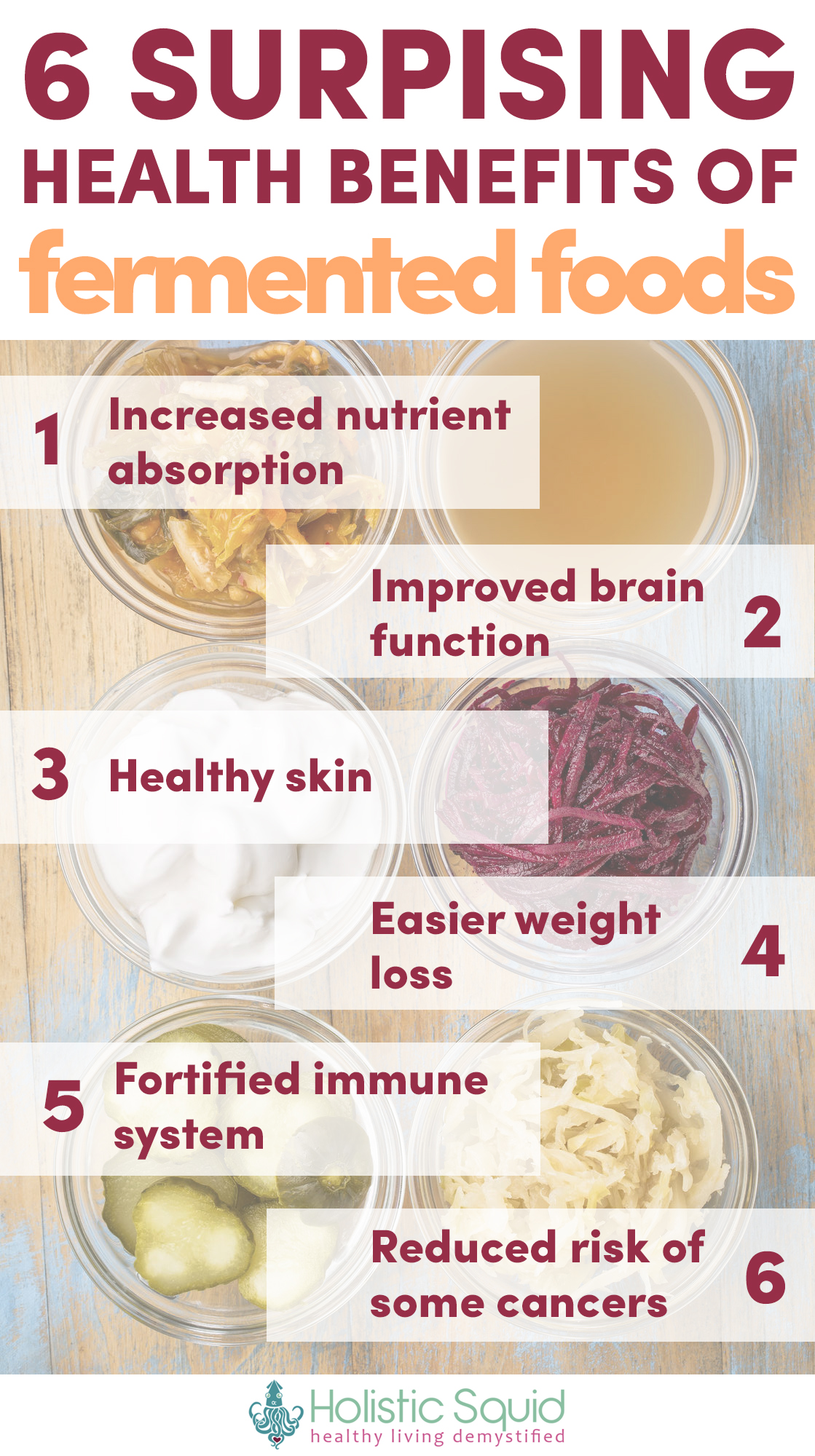
Fermented foods have been a part of human diets for thousands of years, offering numerous health benefits that make them a valuable addition to any diet, including the Paleo diet. It’s no wonder why these foods are gaining popularity in the health and wellness community as their rich probiotic content promotes gut health and overall well-being.
One of the key reasons fermented foods are encouraged on a Paleo diet is their ability to support digestion. Fermentation breaks down sugars and carbohydrates in food, making them easier to digest. This can be especially beneficial for individuals with digestive issues such as bloating, gas, or irritable bowel syndrome.
In addition to aiding digestion, fermented foods also contribute to a healthy gut microbiome. The live cultures found in fermented foods help balance the bacteria in your gut, which plays a crucial role in immune function and overall health. A healthy gut microbiome has been linked to improved mood, better nutrient absorption, and reduced inflammation.
On a Paleo diet where processed foods are restricted, fermented foods provide a flavorful way to enhance meals without compromising on nutritional value. They add depth and complexity to dishes while offering an array of vitamins, minerals, and antioxidants. From tangy sauerkraut to spicy kimchi, there is a wide variety of fermented options that can cater to different taste preferences.
Kombucha is another popular fermented beverage that fits well into a Paleo lifestyle. Made from sweetened tea that undergoes fermentation with the help of SCOBY (symbiotic culture of bacteria and yeast), kombucha is not only refreshing but also packed with probiotics that promote good gut health. Its slightly effervescent nature makes it a great alternative to sugary sodas or juices.
For those following a Paleo diet who may struggle with dairy intolerance or choose to avoid dairy products altogether, fermented non-dairy alternatives like coconut yogurt or cashew cheese can be excellent choices. These plant-based options offer similar probiotic benefits without the use of dairy ingredients.
Fermented foods also have potential anti-inflammatory properties due to their high concentration of beneficial bacteria. Chronic inflammation has been linked to various health conditions such as heart disease, diabetes, arthritis, and autoimmune disorders; incorporating more anti-inflammatory foods like fermented ones can help mitigate these risks.
Another advantage of fermenting food is its ability to increase nutrient bioavailability. Some nutrients become more accessible during the fermentation process compared to their raw form. For instance, fermenting vegetables like cabbage into sauerkraut can enhance levels of vitamin C and K while breaking down compounds that may hinder mineral absorption.
The preservation aspect of fermentation should not be overlooked either when considering its historical significance before modern refrigeration methods were available. Fermenting food was an effective way for our ancestors to extend the shelf life of perishable items while preserving their nutritional value—a practice we continue today for both flavor enhancement and longevity purposes.
If you’re new to incorporating fermented foods into your Paleo diet but unsure where to start or how much you should consume daily—start slowly! Introduce small amounts gradually into your meals or snacks until your body adjusts comfortably; this will prevent any potential digestive discomfort from sudden changes in your gut microbiota composition.
Remember that not all store-bought ferments are created equal; some commercial varieties may contain additives like sugar or vinegar which could detract from their health benefits—opt for homemade versions when possible or look for brands with minimal ingredients listed on their labels showcasing organic produce as primary components instead!
Lastly but importantly – listen closely if your body signals any adverse reactions after consuming certain ferments since everyone’s tolerance levels vary based on individual factors such as existing sensitivities allergies intolerances medications etc.; consulting healthcare professional nutritionist might give insight tailored recommendations suit personal needs accordingly!

Leave a Reply