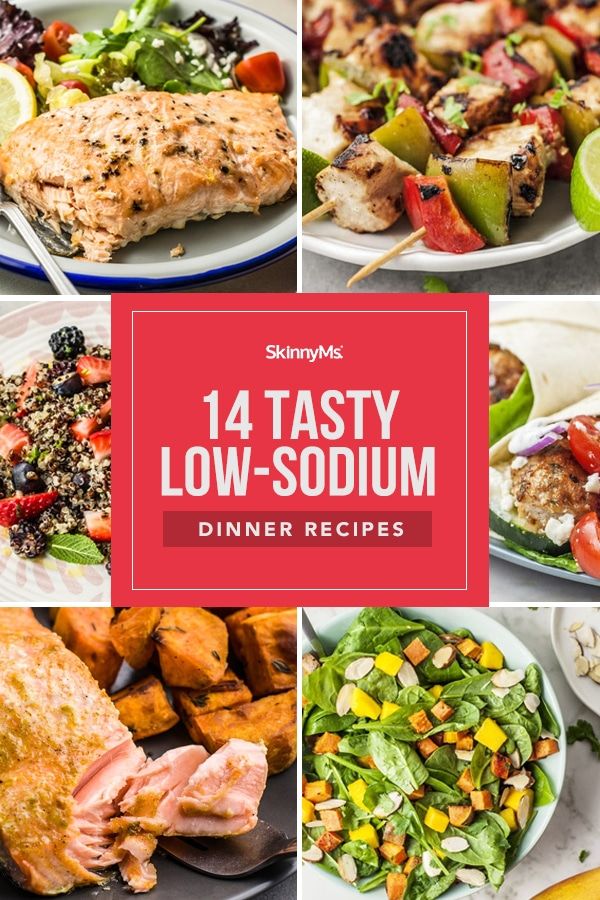
A low-sodium diet can offer numerous health benefits, especially for those looking to improve their heart health and overall well-being. By reducing the amount of sodium in your diet, you can help lower your blood pressure, reduce your risk of cardiovascular diseases, and decrease water retention in the body. However, transitioning to a low-sodium lifestyle may seem daunting at first, but with some planning and knowledge, it can be both achievable and delicious.
One key aspect of following a low-sodium diet is meal planning. Start by incorporating more fresh fruits and vegetables into your meals as they are naturally low in sodium while providing essential nutrients and fiber. Choose lean proteins like skinless poultry, fish, tofu, or legumes to add variety to your diet without excessive salt intake. When meal prepping, focus on using herbs, spices, citrus juices, vinegar, and salt-free seasoning blends to enhance the flavors of your dishes without relying on salt.
Reading food labels is crucial when aiming to reduce sodium consumption. Be sure to check the nutrition facts panel for the sodium content per serving size. Foods labeled as “low-sodium” typically contain 140 milligrams or less per serving. Additionally, look out for hidden sources of sodium such as monosodium glutamate (MSG), baking soda/powder containing sodium bicarbonate, and certain preservatives like disodium phosphate.
Incorporating low-salt pantry staples into your cooking routine can make a significant difference in keeping your meals flavorful yet healthy. Opt for unsalted nuts/seeds; whole grains like quinoa or brown rice; canned goods with no added salt; low-sodium broths or stocks; and condiments like mustard or hot sauce instead of high-sodium options like soy sauce or ketchup.
When it comes to cooking techniques that enhance flavor without adding extra salt: roasting vegetables brings out their natural sweetness while creating depth through caramelization; grilling meats adds a smoky taste without relying on salt rubs; steaming preserves nutrients in foods while allowing them to shine with minimal seasoning needed; sautéing with olive oil infuses dishes with richness while being heart-healthy compared to butter’s higher sodium content.
By making mindful choices about what you eat and how you prepare meals each day – from selecting fresh ingredients at the grocery store all the way through storing leftovers properly – you’ll find that maintaining a low-sodium diet doesn’t have to be restrictive or bland. With creativity in the kitchen paired with an understanding of how various seasonings impact flavor profiles differently when used sparingly versus liberally (or not at all), you can enjoy a diverse range of tasty dishes while supporting better health outcomes over time.

Leave a Reply