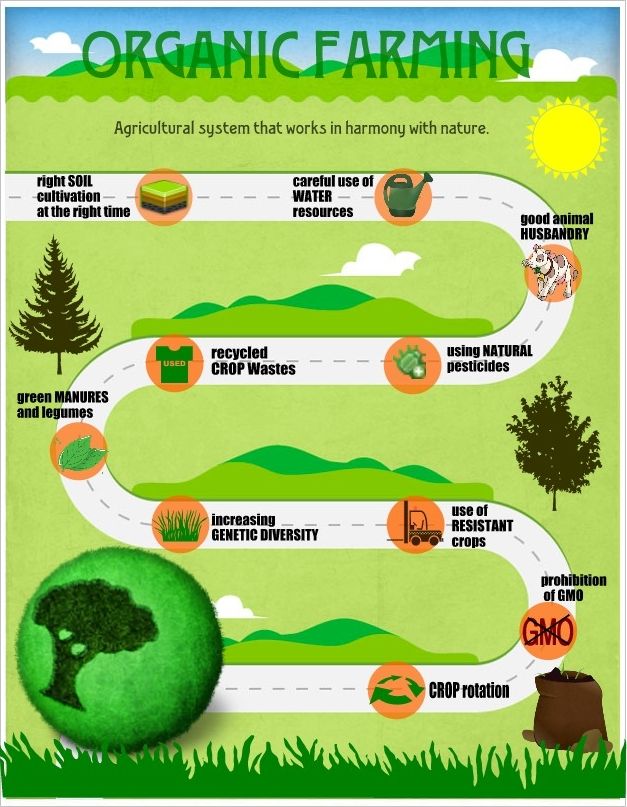
Organic farming practices focus on cultivating crops and raising livestock in a way that prioritizes environmental sustainability, animal welfare, and human health. By avoiding synthetic pesticides, fertilizers, antibiotics, and genetically modified organisms (GMOs), organic farmers aim to produce food that is healthier for consumers and the planet.
Benefits of organic food include higher nutrient levels due to healthier soil, better taste from natural farming methods, reduced exposure to harmful chemicals for both consumers and farmworkers, improved animal welfare standards in organic meat production, and lower environmental impact through sustainable farming practices.
Organic farming differs from conventional agriculture primarily in its approach to pest control and soil fertility. Instead of relying on synthetic chemicals to combat pests or boost crop yields, organic farmers use crop rotation, natural predators like ladybugs for pest control, cover crops for weed suppression, composting for soil health improvement. This results in healthier ecosystems with richer biodiversity compared to conventional farms.
The process of obtaining organic certification involves strict adherence to guidelines set by certifying bodies such as the USDA Organic Program. Farmers must demonstrate that their land has been free from prohibited substances like synthetic fertilizers or pesticides for a specified period before being certified as organic.
For those interested in starting their own organic garden at home or transitioning towards an organic diet, there are several key tips to keep in mind. Focus on building healthy soil through composting and mulching techniques; choose heirloom seeds or plants grown organically; practice crop rotation; utilize companion planting strategies; conserve water through drip irrigation systems; and encourage beneficial insects like bees and butterflies.
Soil health is paramount in organic farming as it supports plant growth while maintaining ecosystem balance. Healthy soils rich in nutrients foster strong root systems which enhance plant resilience against pests and diseases naturally without the need for chemical interventions.
Organic pest control methods include using physical barriers like row covers or netting to prevent insect damage; introducing beneficial insects such as ladybugs or praying mantises that prey on pests; employing traps like pheromone traps or sticky cards; utilizing natural sprays made from ingredients like neem oil or garlic spray which deter pests effectively without harming beneficial insects.
Understanding food labeling regulations can help consumers make informed choices when purchasing organic products. Look for labels such as “USDA Certified Organic” which ensures products meet strict criteria regarding production methods. Be cautious of misleading terms like “natural” which may not guarantee the same level of quality assurance as certified organic labels do.
Debunking myths surrounding organic foods is essential in promoting accurate information about their benefits. Contrary to popular belief, studies have shown that organically grown foods can contain higher nutrient levels than conventionally grown counterparts due to improved soil quality resulting from sustainable practices employed by organic farmers.

Leave a Reply