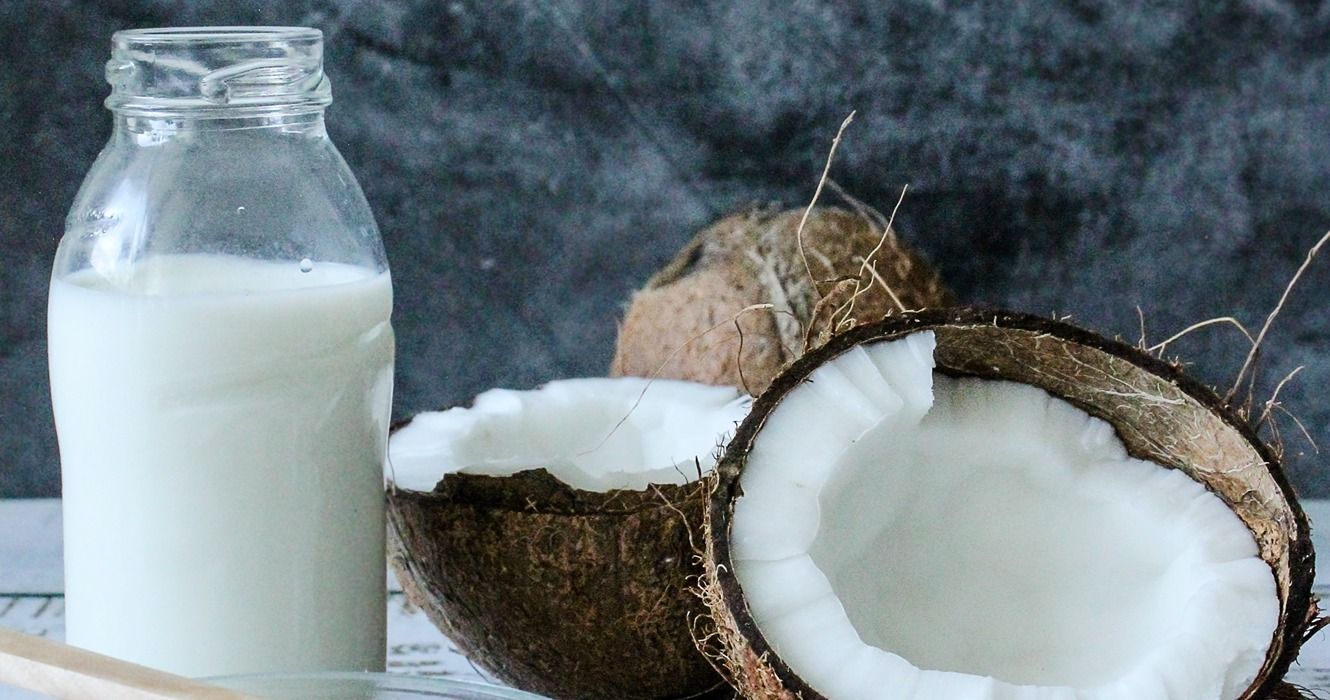
Coconut milk is a versatile and flavorful ingredient that can be used in a variety of ways to enhance both the taste and nutritional value of your dishes. From creamy curries to dairy-free desserts, coconut milk offers a range of health benefits that make it a popular choice for those looking to add richness and flavor to their meals while also reaping the rewards of its nutrient-packed properties.
Bone health is essential at every stage of life, and incorporating coconut milk into your diet can provide valuable support in this area. Coconut milk is rich in nutrients like calcium, magnesium, and phosphorus, which are crucial for maintaining strong bones and preventing conditions like osteoporosis. Including coconut milk in your daily meals can help ensure you’re getting these vital minerals to support bone density and overall skeletal health.
Smoothie bowls have become a trendy breakfast option for many health-conscious individuals, offering a nutritious and delicious way to start the day. By adding coconut milk to your smoothie bowl base, you can create a creamy texture that complements the fruits, nuts, seeds, and other toppings beautifully. Not only does coconut milk enhance the taste of your smoothie bowl, but it also provides healthy fats that promote satiety and keep you feeling full longer.
For those looking to reduce their intake of dairy products or seeking an alternative coffee creamer option with added flavor benefits, coconut milk is an excellent choice. Its rich consistency adds a velvety smoothness to coffee without overpowering the flavor profile. Additionally, using coconut milk as a coffee creamer alternative can be beneficial for individuals with lactose intolerance or dairy allergies.
Baking enthusiasts will delight in discovering how coconut milk can elevate their favorite recipes by adding moisture and richness. Whether you’re making cakes, muffins, cookies, or bread,
coconut milk serves as an excellent substitute for traditional dairy ingredients like cow’s
milk or heavy cream. Its natural sweetness enhances baked goods while providing healthy fats
that contribute to moist textures.
Weight management is often at the forefront of people’s minds when considering dietary choices,
and coconut milk offers advantages in this area as well. Despite being high in calories due
to its fat content (which should be consumed mindfully), the medium-chain triglycerides (MCTs)
found in coconut milk have been shown to increase energy expenditure compared to other types
of fats. This means that incorporating moderate amounts of coconut milk into your diet may actually
aid weight loss efforts when part of a balanced eating plan.
Vegans seeking alternatives for cheese-making will find that incorporating coconut
milk into their recipes yields delicious results with added health benefits too! By blending
coconut meat with probiotic cultures or acidifying agents like lemon juice or apple cider vinegar,
you can create homemade vegan cheeses that rival traditional varieties in taste and texture.
Skin health enthusiasts will appreciate the hydrating properties of topical applications
of coconut oil on dry skin areas such as elbows or heels; similarly,
using pure
coconut
milk as
a facial cleanser
can help remove makeup gently
while moisturizing delicate facial skin.
Its antibacterial properties may even assist
those dealing with acne-prone skin.
The versatility
of
coconut
milk makes it suitable not just for consumption,
but also
as part
of one’s skincare routine.
Incorporating
coconut
milk into curry dishes brings about an unmatched depth
and creaminess
that pairs perfectly
with aromatic spices.
Whether preparing Thai red curry,
Indian korma,
or Caribbean stew,
the addition
of
coconut
milk elevates
the dish’s flavors while mellowing out any heat from chili peppers.
Heart health concerns prompt many people
to seek out heart-friendly food options;
in this regard,
coconut
milk shines through again.
Despite containing saturated fat,
studies suggest
that consuming moderate amounts
of certain types
of saturated fatty acids—such as those found
in coconuts—may not significantly raise cholesterol levels.
Moreover,
the Lauric acid present
in abundance within coconuts has been linked
to potential heart-protective effects.
Making homemade
yogurt from
coconut
milk opens up new possibilities
for those avoiding dairy products.
By fermenting
live cultures
with
freshly extracted
or store-bought
coconut
milk,
you
can craft delicious yogurt packed
with gut-friendly probiotics
and all-natural ingredients.
Hair care aficionados
are turning towards
natural alternatives
like
coconut
oil
and
Its
richness
makes
it
an ideal ingredient
for deep conditioning treatments,
scalp massages,
or hair masks.
Using
its emollient properties
to seal moisture
into each strand,
prevent breakage,
and add shine.
Soups
and stews benefit greatly from
the luxurious texture
that
comes
from including
thickened soups
provide comfort
on chilly days.
Nutritionally speaking,
consumers are drawn towards
foods packed with wholesome ingredients;
this trend aligns nicely with
the nutritional profile
presented by
Coconuts are brimming
with vitamins C,E,A,
potassium,and iron;
these nutrients bolster immune function,
promote good vision,self-repair processes,and more.
Ice creams made from
have garnered attention within
health-conscious communities;
recipes often call upon healthier sweeteners
like honey,maple syrup,
or stevia alongside antioxidant-rich cocoa powders
or fresh fruit purees.
Innovative bartenders are exploring ways
to incorporate healthier elements
into cocktails;
by utilizing light coco rums,
homemade pineapple-coconu,t syrups;
or simply floating organic cold-pressed
atop mixtures,coco-based beverages
add tropical flair while enhancing nutrition profiles.
Cooking experiences expand further through experimentation
with powdered forms
store-cupboard essentials difficult—for example—travelers campers;
they offer long shelf lives;ideal solution emergencies strikes;
despite water needing rehydrated before use;
powdered versions retain same qualities liquid counterparts,instantly transforming dishes.
Dairy-free lifestyles reach fulfillment through substitutions;
by swapping milks creams plant-based alternatives,
benefits abound:
reduced inflammation,digestive relief,sustainable practices.
Environmentally conscious consumers weigh impact behind purchases;
awareness production processes—including land usage water consumption workers’ rights—is increasing;
opting sustainably sourced products helps preserve ecosystems supporting communities involved…
Fermented foods continue gaining popularity within wellness circles;
their probiotic content aids digestion supports immune system function;
creating fermented delights using enriches culinary repertoire promotes intestinal balance..
These innovative uses diverse benefits demonstrate versatility practicality offered humble yet powerful ingredient:
Coconuts!

Leave a Reply