Kombucha, a popular fermented tea beverage known for its health benefits, can be quite expensive when purchased from stores. However, making your own kombucha at home can lead to significant cost savings in the long run. Let’s delve into the financial aspects of brewing and enjoying this probiotic-rich drink.
When comparing store-bought kombucha to homemade versions, the price difference is substantial. A single bottle of kombucha at a store can range from $3 to $5 or more, while brewing your own batch costs significantly less per serving once you’ve invested in initial supplies.
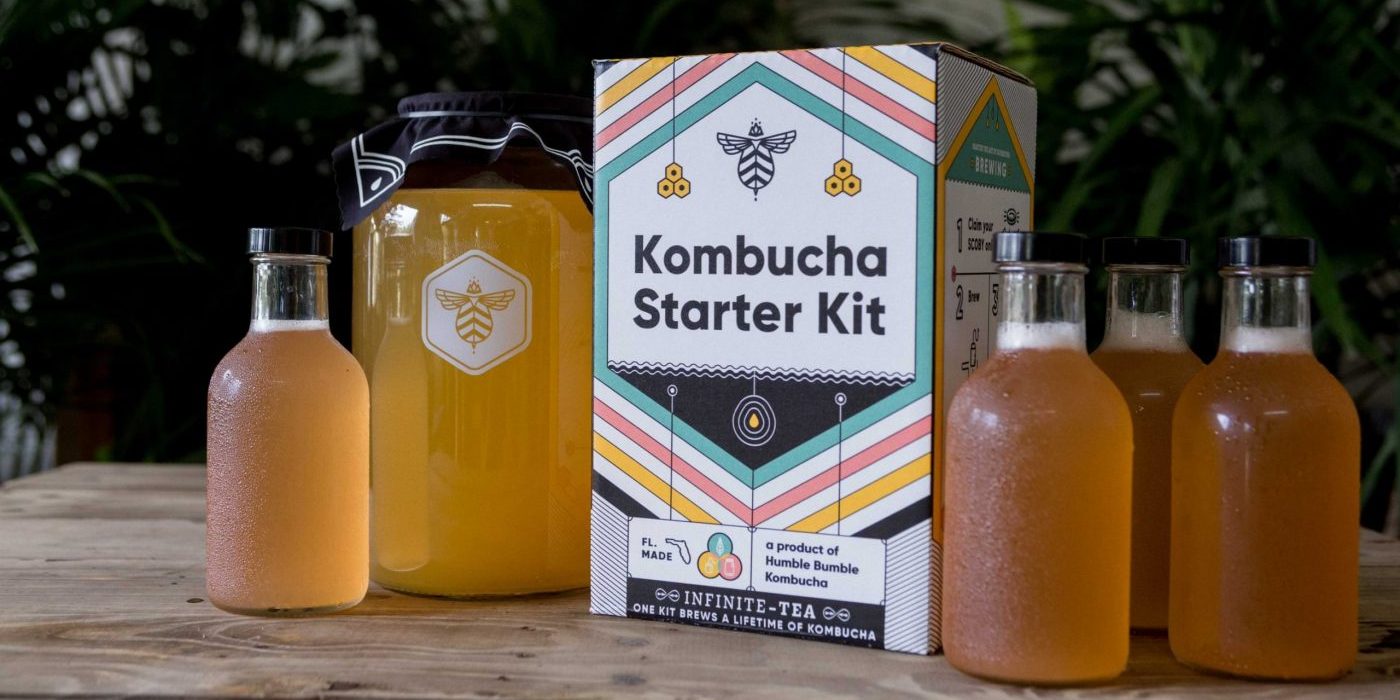
To start brewing on a budget, look for cost-effective kombucha brewing kits that include essentials like a fermentation vessel, organic tea, sugar, and a SCOBY (symbiotic culture of bacteria and yeast). These kits often provide good value for money compared to purchasing items separately.
Saving money on ingredients is also key. Opt for non-organic teas and sugars if you’re looking to cut costs without compromising too much on quality. Additionally, growing your own SCOBY from scratch rather than buying one can save you money in the long term.
Flavoring options for homemade kombucha don’t have to break the bank either. Fruits like lemons or ginger are affordable choices that add delicious taste without added expense. Reusing glass bottles from store-bought beverages or finding affordable ones online helps reduce bottling expenses.
Calculating the cost per serving of homemade kombucha involves factoring in initial setup costs like equipment purchases alongside ongoing ingredient expenses. Over time, as you brew more batches and refine your process efficiency, the savings become more noticeable.
Scaling up a homebrewed operation may require careful budgeting for equipment maintenance and replacement over time but offers potential cost advantages with increased production volume. Continuous brew methods might incur higher upfront costs but could prove more economical in terms of time saved compared to batch brewing.
Long-term savings potential lies in switching from store-bought to homemade kombucha due to lower per-serving expenses when brewed at home. With strategic financial planning and smart ingredient sourcing decisions, enjoying this healthy beverage need not strain your wallet excessively.

Leave a Reply