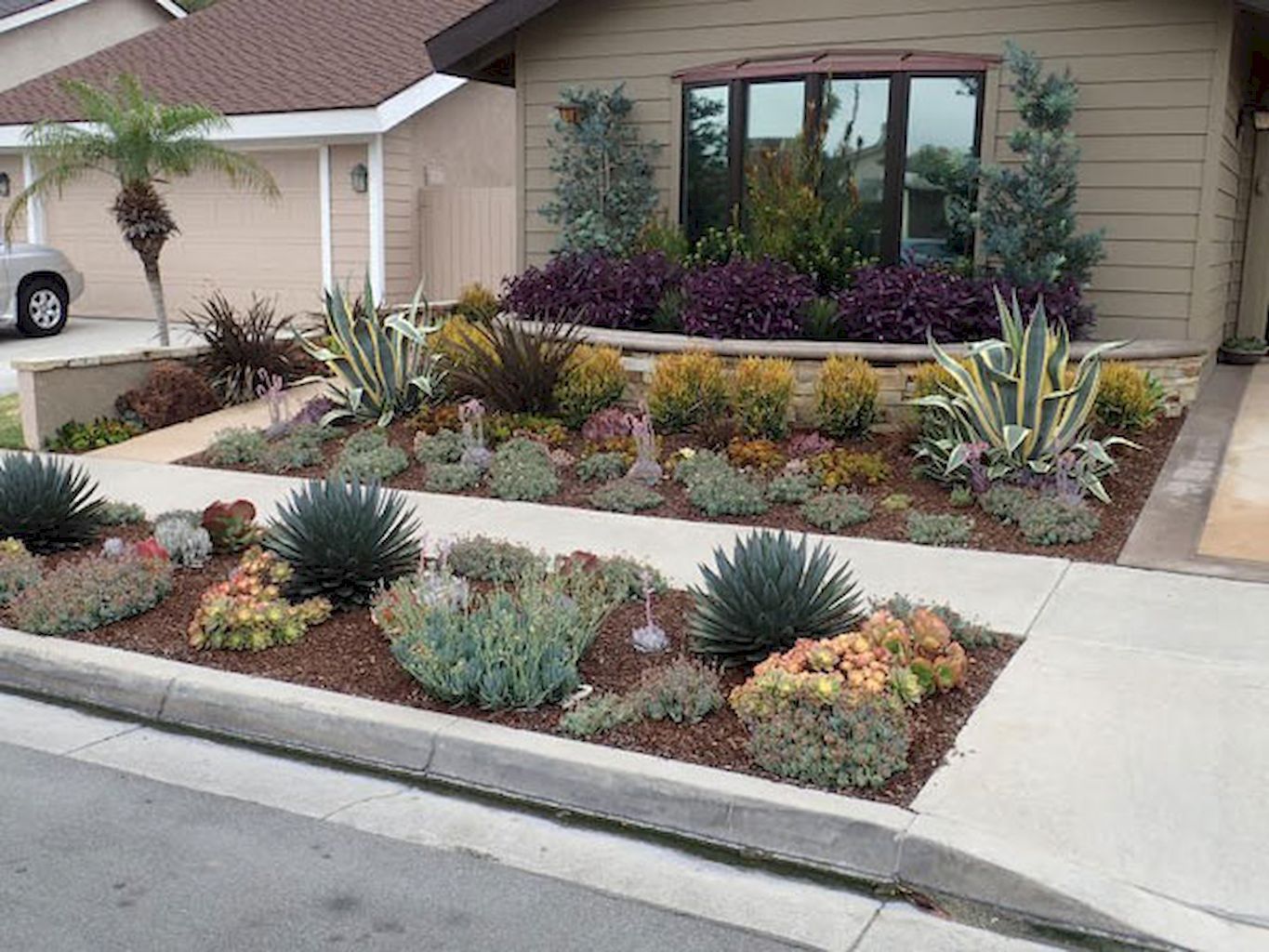
Drought-resistant gardening is a sustainable and water-conscious approach to cultivating a lush garden even in arid conditions. By adopting these methods, you can reduce water consumption, minimize maintenance requirements, and create a beautiful landscape that thrives despite limited water resources.
1. **Choose Native Plants**: Selecting native plants for your garden is crucial for drought resistance. These plants are naturally adapted to the local climate and soil conditions, requiring less water once established.
2. **Group Plants by Water Needs**: Grouping plants with similar water requirements together ensures efficient irrigation practices. This way, you can avoid overwatering some species while underwatering others.
3. **Mulch Regularly**: Mulching helps retain soil moisture by reducing evaporation and suppressing weed growth. Organic mulches like bark chips or compost also improve soil structure and fertility over time.
4. **Install Drip Irrigation Systems**: Drip irrigation delivers water directly to the base of plants, minimizing wastage through evaporation or runoff. It provides a slow, consistent supply of moisture to the roots where it’s needed most.
5. **Capture Rainwater**: Set up rain barrels or cisterns to collect rainwater from your roof for later use in watering your garden during dry periods.
6. **Use Permeable Hardscaping**: Opt for permeable materials like gravel or permeable pavers for paths and patios instead of solid concrete surfaces. This allows rainwater to infiltrate the soil rather than running off into storm drains.
7. **Practice Smart Watering Techniques**: Water early in the morning or late in the evening to reduce evaporation losses. Adjust your watering schedule based on weather conditions and plant needs rather than following a fixed routine.
8. **Monitor Soil Moisture Levels**: Invest in a moisture meter to track soil moisture levels accurately and avoid both overwatering and underwatering your plants.
By incorporating these drought-resistant gardening methods into your landscaping practices, you can conserve water while still enjoying a thriving garden that enhances the beauty of your outdoor space.

Leave a Reply