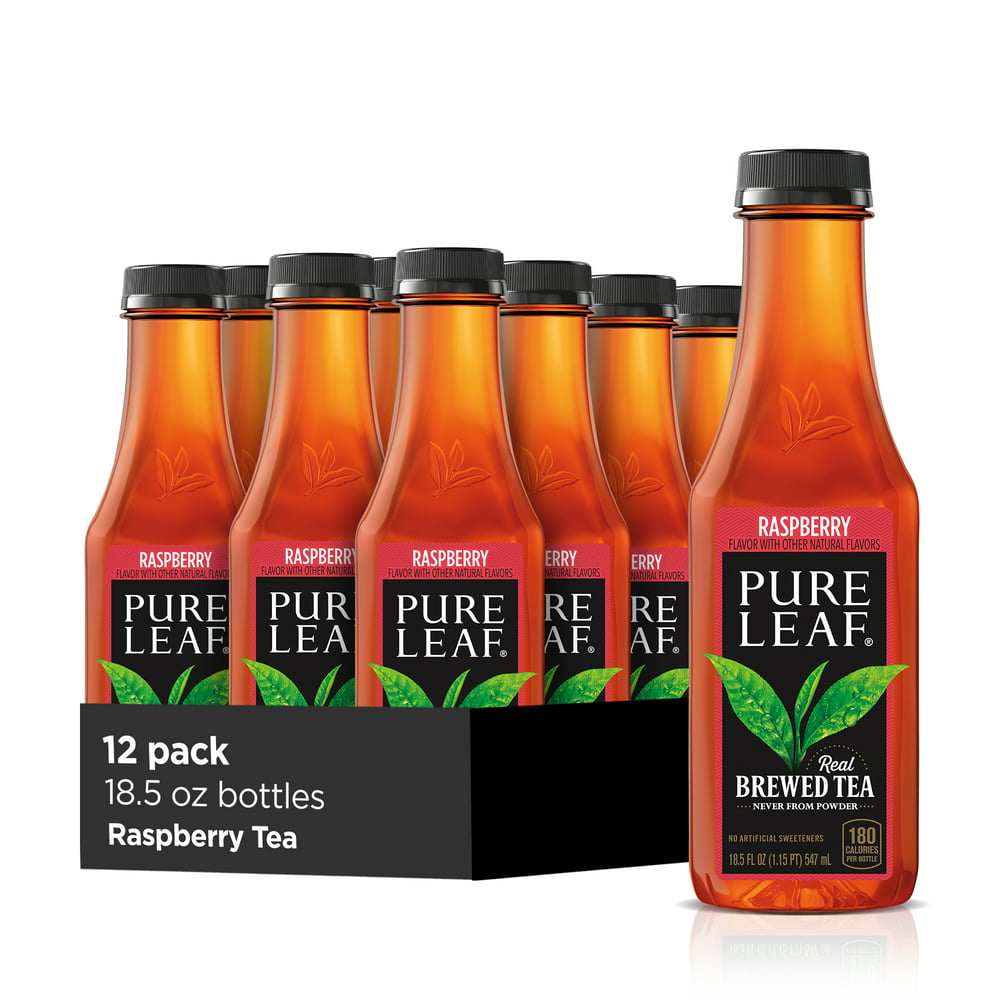
Raspberry leaf tea has been used for centuries due to its numerous health benefits. This herbal tea is rich in vitamins and minerals, making it a popular choice for those looking to improve their overall well-being. Some of the key benefits of raspberry leaf tea include its ability to support women’s reproductive health, ease menstrual cramps, and even aid in pregnancy by toning the uterus. Additionally, raspberry leaf tea is known to be a great source of antioxidants, which can help protect the body against free radicals and reduce inflammation.
Growing raspberries indoors can be a rewarding experience for any gardening enthusiast. To grow raspberries indoors successfully, you will need a large container with good drainage, high-quality soil, and plenty of sunlight. It’s important to choose the right raspberry variety for indoor cultivation – some varieties are better suited for containers than others. Regular watering and fertilizing will be essential to ensure your indoor raspberry plants thrive. With proper care and attention, you can enjoy fresh raspberries right from your own home all year round.
While most people are familiar with common raspberry varieties like red or black raspberries, there are many lesser-known varieties worth exploring. Varieties such as golden raspberries or purple raspberries offer unique flavors and colors that can add diversity to your garden or recipes. Each variety may have slightly different growing requirements or flavor profiles, so experimenting with different types of raspberries can be a fun way to expand your culinary horizons.
Raspberry vinegar is a versatile ingredient that can add depth and flavor to both sweet and savory dishes. Making your own raspberry vinegar at home is easy – simply combine fresh raspberries with white wine vinegar and let it infuse for a few weeks before straining out the solids. Raspberry vinegar can be used in salad dressings, marinades, cocktails, or even desserts like fruit salads or ice creams.
Raspberry seed oil is gaining popularity in the skincare industry due to its nourishing properties for the skin. This cold-pressed oil is rich in essential fatty acids and antioxidants that help moisturize the skin and protect it from environmental damage. Raspberry seed oil is often used in facial serums, moisturizers, or body oils to promote healthy-looking skin.
For women experiencing menstrual issues like cramps or irregular periods, raspberry leaf has long been used as an herbal remedy. Raspberry leaf contains compounds that help relax uterine muscles and regulate menstrual cycles naturally. Drinking raspberry leaf tea regularly leading up to menstruation may help alleviate symptoms and promote overall reproductive health.
Incorporating raspberry leaves into smoothie recipes is another delicious way to reap their health benefits while enjoying a refreshing treat. Adding fresh or dried raspberry leaves into your favorite smoothie blend can provide added nutrients like vitamins C and E along with their signature earthy flavor profile.
Using raspberry leaves in skincare products like homemade salves or creams can offer soothing properties for irritated skin conditions such as eczema or sunburns. Infusing olive oil with dried raspberry leaves creates a natural remedy that can be applied topically to hydrate dry skin or relieve itching.
Whether you’re pregnant or experiencing menopausal symptoms, raspberry leaf capsules have been traditionally used as natural remedies during these life stages due to their hormone-balancing properties.

Leave a Reply