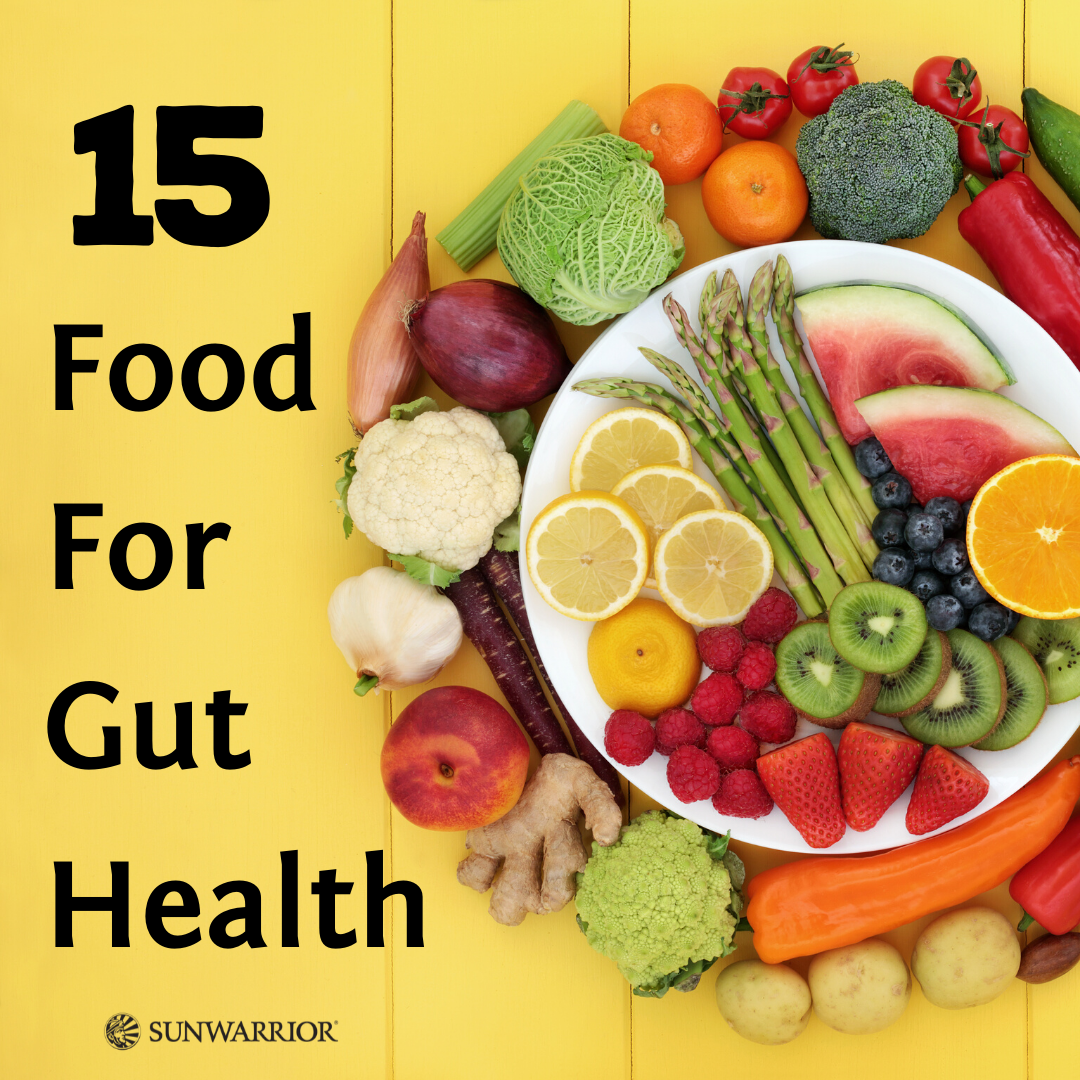
Gut health is a crucial aspect of overall well-being that is gaining increasing attention in the field of nutrition and health. The digestive system plays a vital role in nutrient absorption, immune function, and even mental health. One key factor in maintaining good gut health is ensuring an adequate intake of fiber. Fiber helps to support digestion, promote regular bowel movements, and feed the beneficial bacteria in the gut.
Fiber can be found in a variety of plant-based foods such as fruits, vegetables, whole grains, legumes, nuts, and seeds. Some excellent sources of fiber include raspberries, artichokes, lentils, chia seeds, and almonds. By incorporating these foods into your daily diet, you can help to improve your digestive system function and support a healthy gut microbiome.
In addition to consuming fiber-rich foods, fermented foods are another great way to enhance gut health. Fermented foods like yogurt, kefir, sauerkraut, kimchi, and kombucha contain probiotics – live beneficial bacteria that aid in digestion and support a healthy balance of gut flora. Including fermented foods in your diet can help increase the diversity of your microbiome and promote better gut health.
For those who may have trouble getting enough probiotics through food alone or who have specific digestive issues that could benefit from additional support, probiotic supplements are available. These supplements contain concentrated doses of beneficial bacteria strains that can help restore balance to the gut microbiome and improve overall digestive function.
When it comes to supporting gut health through diet and supplementation choices it’s important not to overlook prebiotics – non-digestible fibers that serve as food for probiotics. Prebiotics help stimulate the growth of beneficial bacteria in the gut which further supports digestive health.
Prebiotic-rich recipes can easily be incorporated into meals by including ingredients such as garlic , onions , bananas , oats , apples & flaxseeds . These recipes not only taste delicious but also provide essential nutrients for promoting a healthy microbiome.
Furthermore prebiotics play an integral part in immune system regulation; they aid with weight management; alleviate bloating; deliver mentalhealth benefits; contribute towards skin wellness; promote heart wellness & assist with diabetes management .
It’s important to note that while both prebiotics and probiotics play key roles in supporting gut health they serve different functions . Probiotics introduce good bacteria into the gut while prebiotics act as fuel for these good bacteria helping them proliferate .
Additionally when choosing prebiotic supplements look for those containing ingredients like chicory root , acacia gum or partially hydrolyzed guar gum among others .
Children & seniors alike can benefit from including prebiotic rich-foods&supplements within their diets ;research suggests children especially tendto have higher energy levels when their diets are supplemented withpre- &pro-biotics . Likewise seniors experience improved digestion when including these elements within their meals .
Lastly individuals suffering from allergies should note how incorporatingpre-biotic richfoods&supplementsintotheirmealscanhelpalleviateallergy symptomsbyreducinginflammationwithinthebody .

Leave a Reply