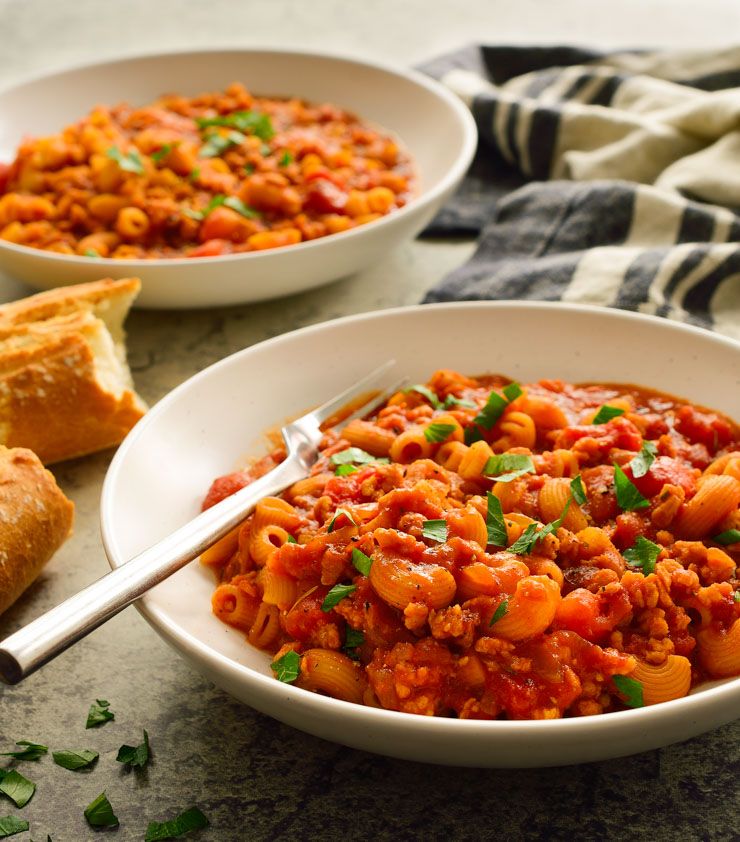
Being vegan doesn’t have to break the bank. In fact, with a little creativity and planning, vegan cooking can be not only nutritious but also budget-friendly. Whether you’re looking to save money on groceries or simply want to eat more plant-based meals without spending a fortune, there are plenty of frugal vegan cooking ideas that you can incorporate into your daily routine.
One of the key principles of frugal vegan cooking is to focus on whole, unprocessed foods. Not only are these foods typically cheaper than their processed counterparts, but they’re also much healthier for you. Staples like beans, lentils, rice, quinoa, oats, and potatoes are all incredibly affordable and versatile ingredients that can form the basis of many delicious vegan dishes.
Another tip for saving money on groceries is to buy in bulk whenever possible. Many health food stores and co-ops offer discounts on items like grains, legumes, nuts, seeds, and spices when purchased in larger quantities. By buying these items in bulk and storing them properly (in airtight containers in a cool, dark place), you can save money in the long run while ensuring that you always have essential ingredients on hand for your meals.
Meal planning is another crucial aspect of frugal vegan cooking. By taking the time to plan out your meals for the week ahead and making a shopping list based on those plans, you can avoid impulse purchases at the grocery store and minimize food waste. Look for recipes that use similar ingredients so that you can buy in bulk and use up everything without anything going to waste.
When it comes to actually preparing your meals, there are plenty of ways to stretch your ingredients further without sacrificing flavor or nutrition. For example:
1. Make big batches: Cooking large quantities of food at once not only saves time but also allows you to have leftovers for future meals. Soups, stews, curries, casseroles – these dishes often taste even better the next day after flavors have had time to meld together.
2. Get creative with leftovers: Don’t just reheat yesterday’s dinner – repurpose it into something new! Leftover roasted vegetables could be blended into a soup or added to a salad; cooked grains like rice or quinoa could be turned into veggie burgers or stuffed peppers; leftover pasta sauce could become a base for pizza or baked tofu.
3. Embrace simple flavors: You don’t need fancy ingredients or complicated techniques to make delicious food. Sometimes all it takes is some salt, pepper, herbs/spices (like garlic powder) along with pantry staples like canned tomatoes/coconut milk/lentils etc., sautéed onions & garlic until soft then add whatever veggies/protein source desired before simmering everything together briefly before serving over grain/bread/etc.-simple yet satisfying meal ready within half an hour!
4. Use every part of the vegetable: Don’t throw away broccoli stems or carrot tops – they’re perfectly edible too! Broccoli stems can be peeled & sliced thinly then stir-fried/sautéed along with other veggies/proteins while carrot tops make great pesto/pickle garnish salads!
5.Cook from scratch as much as possible: Pre-packaged convenience foods may seem convenient but they come at premium price compared homemade versions which generally cost less overall however require little bit extra effort/time upfront such chopping veggies from fresh instead using frozen ones straight bagging stored fridge/freezer till needed later during meal prep stage etc., making sauces dressings scratch vs buying pre-made jars/containers sitting shelves longer period thus leading higher price tag attached each bottle/jar/etc..
In conclusion…

Leave a Reply