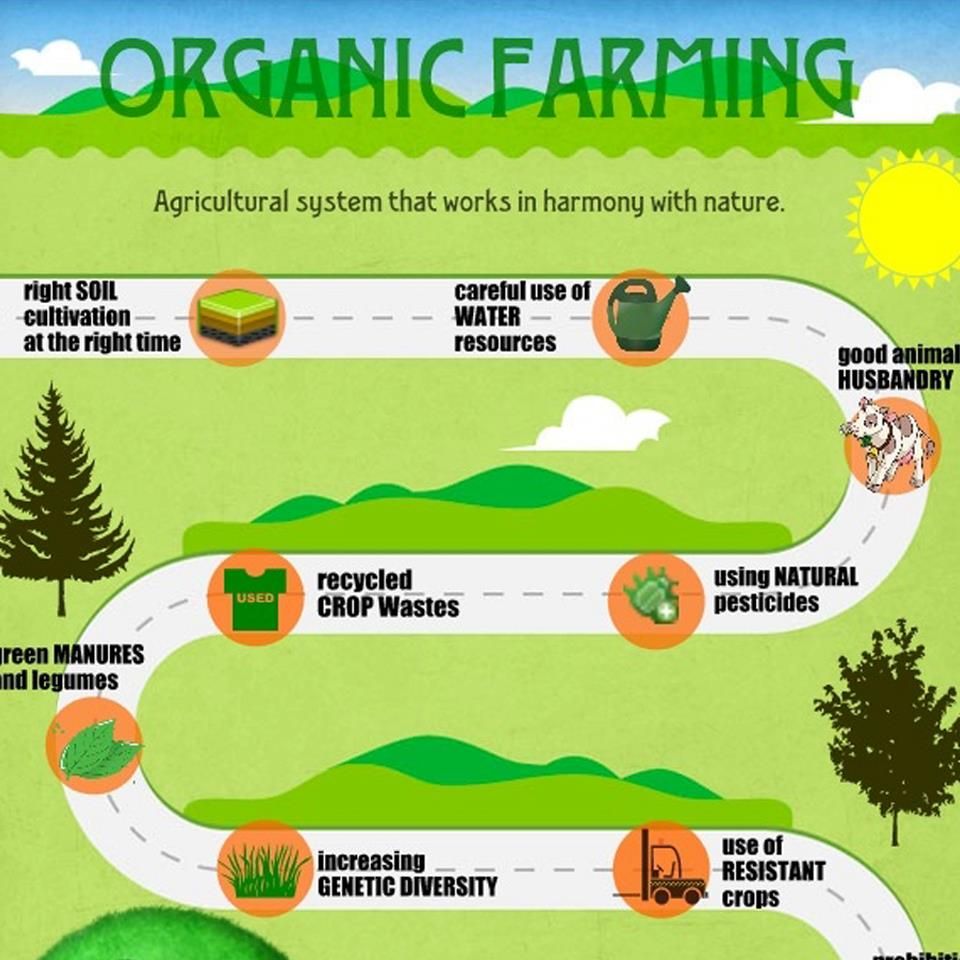
Organic gardening is not just a hobby; it’s a way of life that promotes sustainable practices and helps protect the environment. When you choose to grow your own food organically, you are not only ensuring that what you eat is free from harmful chemicals and pesticides, but you are also contributing to a healthier ecosystem. In this post, we will explore some essential tips for successful organic gardening that will help you get started on your journey towards growing fresh, nutritious produce right in your backyard.
1. **Start with Healthy Soil**: The foundation of any successful garden is healthy soil. Organic gardening relies on building up the soil’s structure and fertility naturally without synthetic fertilizers or pesticides. To ensure your soil is nutrient-rich, add compost regularly to improve its texture and provide essential nutrients for plant growth.
2. **Choose the Right Plants**: Selecting plants that are well-suited to your climate and soil conditions is crucial for a thriving organic garden. Research which vegetables, fruits, and herbs grow best in your area and plan your garden accordingly. Consider planting native species as they are more likely to thrive without the need for chemical interventions.
3. **Practice Crop Rotation**: To prevent pests and diseases from building up in the soil over time, rotate your crops each season. This practice helps maintain soil health by reducing nutrient depletion and minimizing pest infestations naturally.
4. **Companion Planting**: Companion planting involves growing certain plants together to benefit each other in various ways such as deterring pests or improving pollination. For example, planting marigolds alongside tomatoes can help repel nematodes while attracting beneficial insects like ladybugs.
5. **Mulch Regularly**: Mulching not only helps retain moisture in the soil but also suppresses weeds and adds organic matter as it breaks down over time. Use natural materials like straw, shredded leaves, or grass clippings as mulch around your plants to promote healthy growth.
6. **Water Wisely**: Proper watering is essential for healthy plant growth in an organic garden. Water deeply but infrequently to encourage deep root development rather than frequent shallow watering which can lead to weaker plants susceptible to drought stress.
7 .**Avoid Chemical Pesticides & Herbicides**: One of the core principles of organic gardening is avoiding synthetic chemicals that can harm beneficial insects, wildlife, and contaminate groundwater sources.
Instead use natural alternatives like neem oil spray for controlling pests or hand-weeding for managing weeds.
8 .**Attract Beneficial Insects**: Encourage biodiversity in your garden by planting flowers that attract pollinators like bees and butterflies along with beneficial insects such as ladybugs,
lacewings,and predatory wasps that prey on common garden pests.
Creating habitat diversity supports these helpful organisms while maintaining balance within the ecosystem
9 .**Practice Integrated Pest Management (IPM)**: IPM involves using a combination of cultural practices,
biological controls,and least-toxic options before resorting
to chemical treatments.It focuses on preventing pest
problems through regular monitoringand implementing strategies
that minimize damage while preserving natural predators.
10 .**Stay Observant & Learn from Your Garden:** Finally,pay attentionto howyour plantsaregrowingand inter-act with their environment.Take noteof changesin leaf color,
growth patternsor signs of disease.This observationwill helpyou understandthe needs ofyour plantsbetterand make adjustmentsas needed.
In conclusion,gardening organically requires dedication,time,and patience,butthe rewardsaresignificant.Notonly doyougetto enjoyfresh,nutrient-denseproducefromyour ownbackyard,youarealsopromotingahealthierenvironmentforfuturegenerations.By followingthese tipsandpractices,youcan createa thrivingorganic gardenthat sustainsitselfnaturallywhile providingabundant harvestsyearafter year.

Leave a Reply