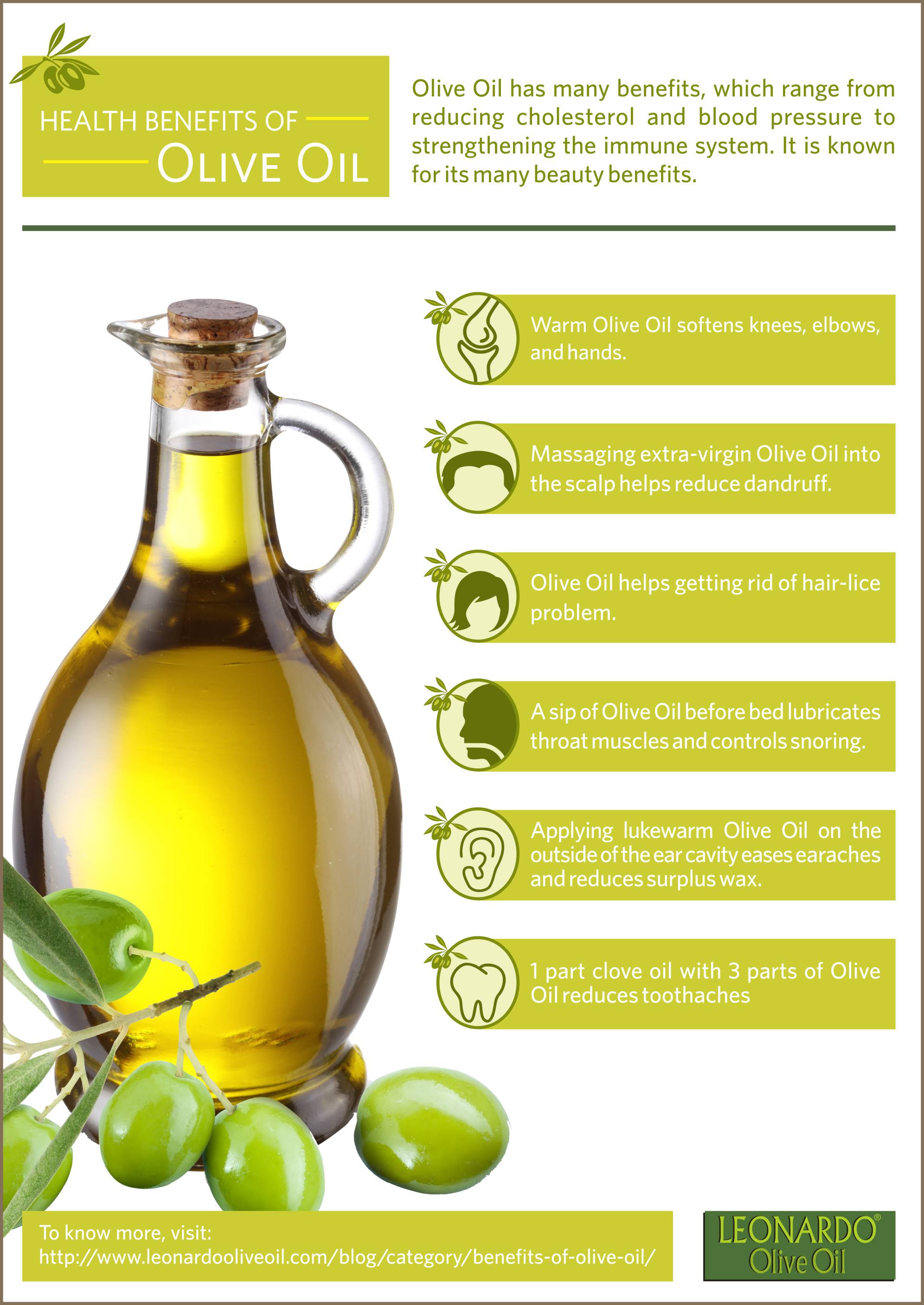
Olive oil has been a staple in Mediterranean cuisine for centuries, prized not only for its rich flavor but also for its numerous health benefits. This golden elixir is derived from the fruit of the olive tree (Olea europaea) and is produced by pressing olives to extract their natural juices. The process of extracting olive oil has remained largely unchanged over time, resulting in a product that is pure, unrefined, and packed with nutrients.
One of the key characteristics that sets olive oil apart from other cooking oils is its high monounsaturated fat content. Monounsaturated fats are considered “good” fats as they can help lower bad cholesterol levels while increasing good cholesterol levels in the body. Olive oil contains oleic acid, a type of monounsaturated fat that has been linked to various health benefits such as reducing inflammation and improving heart health.
In addition to being rich in healthy fats, olive oil is also a good source of antioxidants. Antioxidants are compounds that help protect cells from damage caused by free radicals, which are unstable molecules that can contribute to aging and various diseases. One antioxidant found in abundance in olive oil is vitamin E, known for its skin-protecting properties and role in promoting overall wellbeing.
Another important component of olive oil is polyphenols, which are plant-based compounds with powerful antioxidant properties. These polyphenols have been shown to have anti-inflammatory effects and may play a role in reducing the risk of chronic diseases such as heart disease and cancer. The amount of polyphenols present in olive oil can vary depending on factors like the quality of olives used and the production methods employed.
There are different types of olive oils available on the market, each offering unique flavors and characteristics based on how they are processed:
1. Extra Virgin Olive Oil: Considered the highest quality and most flavorful type of olive oil, extra virgin olive oil is extracted through cold-pressing olives without using heat or chemicals. It retains more natural antioxidants compared to other varieties.
2. Virgin Olive Oil: Slightly lower in quality than extra virgin olive oil but still maintains a good flavor profile.
3. Pure Olive Oil: A blend of virgin and refined oils with milder taste but fewer beneficial nutrients.
4. Light Olive Oil: Not actually lighter in calories or fat content; instead refers to having a lighter color or flavor due to refining processes.
When incorporating olive oil into your diet, it’s essential to use it properly to maximize its health benefits:
1. Use it as a salad dressing: Drizzling extra virgin olive oil over salads can enhance both taste and nutrient absorption.
2. Cook at low temperatures: While you can use olive oil for cooking at moderate heat levels due to its high smoke point compared to other oils like flaxseed or grapeseed oils should be reserved for high-heat cooking methods.
3.Drizzle over cooked dishes: Adding a splash of high-quality extra virgin olive oil just before serving cooked dishes like pasta or grilled vegetables can elevate their flavors
While there’s no denying that consuming moderate amounts (1-2 tablespoons per day) will provide several health perks including better heart function improved brain function reduced inflammation etc., keep an eye out for fake versions marketed under brands misrepresenting themselves so you’re truly getting what you pay for when selecting this kitchen staple!

Leave a Reply