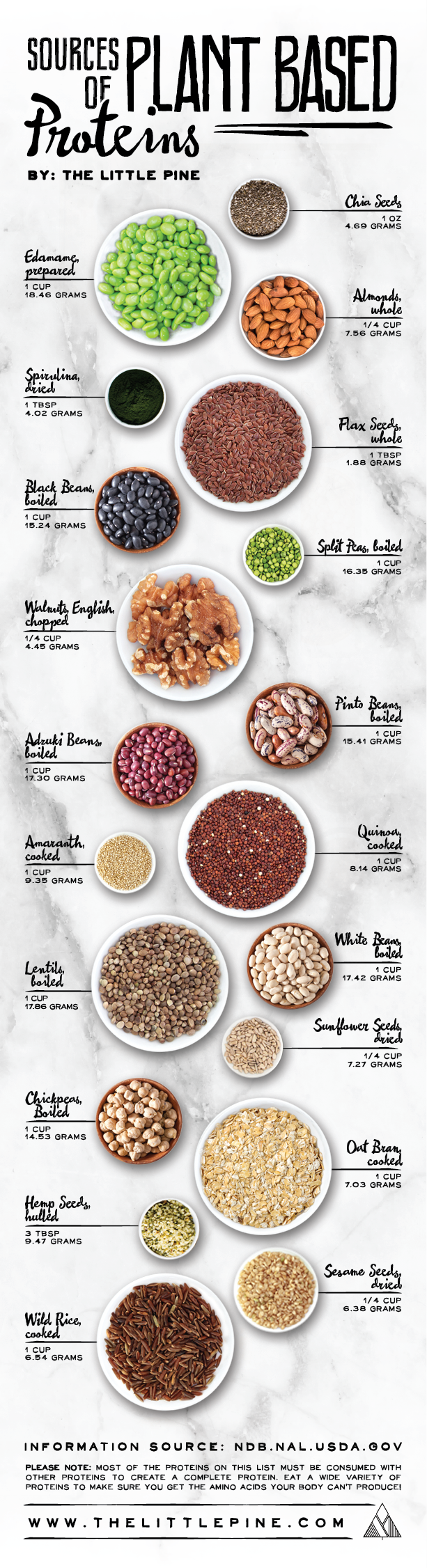
In recent years, there has been a significant shift towards plant-based diets as people become more conscious of the impact of their food choices on both personal health and the environment. Plant-based proteins have gained popularity as an essential part of a balanced diet, providing ample nutrition without the environmental drawbacks associated with animal agriculture. Whether you are a vegan, vegetarian, or simply looking to incorporate more plant-based protein sources into your meals, there are plenty of options available to meet your dietary needs.
1. **Legumes**: Legumes are an excellent source of plant-based protein and can be easily incorporated into a variety of dishes. Beans such as black beans, chickpeas, lentils, and kidney beans are all rich in protein and fiber. They can be used in salads, soups, stews, tacos, or blended into dips like hummus for added protein content.
2. **Quinoa**: Quinoa is a complete protein source containing all nine essential amino acids that our bodies cannot produce on their own. It is also high in fiber and iron, making it a nutritious addition to any meal. Quinoa can be used as a base for salads or served as a side dish alongside vegetables and proteins.
3. **Tofu**: Tofu is made from soybeans and is an excellent source of plant-based protein. It is versatile and can be cooked in various ways – grilled, sautéed, baked or blended into smoothies for added creaminess. Tofu absorbs flavors well so it can take on different tastes depending on how it’s prepared.
4. **Tempeh**: Another soy-based product similar to tofu but with a firmer texture is tempeh which has even higher protein content than tofu due to its fermentation process that increases nutrient absorption.
5. **Edamame**: Edamame are young soybeans that are harvested before they fully matured; they make for tasty snacks when steamed or roasted lightly with some salt sprinkled over them.
6. **Seitan**: Seitan is made from wheat gluten giving it its meat-like texture making it popular among those transitioning to plant-based diets wanting something reminiscent of meat dishes; seitan is low in fat but high in protein making it ideal for muscle building diets
7. **Nuts & Seeds**: Nuts like almonds walnuts pecans provide healthy fats along with proteins while seeds like chia flax hemp pumpkin sesame add extra nutrients like Omega-3 fatty acids vitamins minerals antioxidants fiber etc
8: **Soy products (milk yogurt)**: Soy milk yogurt cheese contain good amount of proteins also fortified with calcium Vitamin D B12 etc great alternatives dairy based products who looking avoid lactose cholesterol hormones found dairy foods
9: 10 – Lentils: Lentils come in various colors such green brown red yellow black versatile ingredient that adds both flavor nutrition dishes Soups stews curries salads wraps Lentils packed full fiber folate iron vitamin B6 zinc potassium manganese great heart health digestion weight management
Plant-based proteins offer numerous benefits including lower saturated fat levels compared animal-derived counterparts reduced risk chronic diseases like type 2 diabetes cardiovascular conditions hypertension obesity incorporating these sources into your diet help maintain healthy lifestyle support sustainable environmentally friendly practices while still getting all necessary nutrients body needs thrive experiment different recipes ingredients find what works best preferences nutritional goals Remember always consult healthcare provider nutritionist advice changes especially if have allergies intolerances specific requirements ensure balanced diet suited individual needs

Leave a Reply