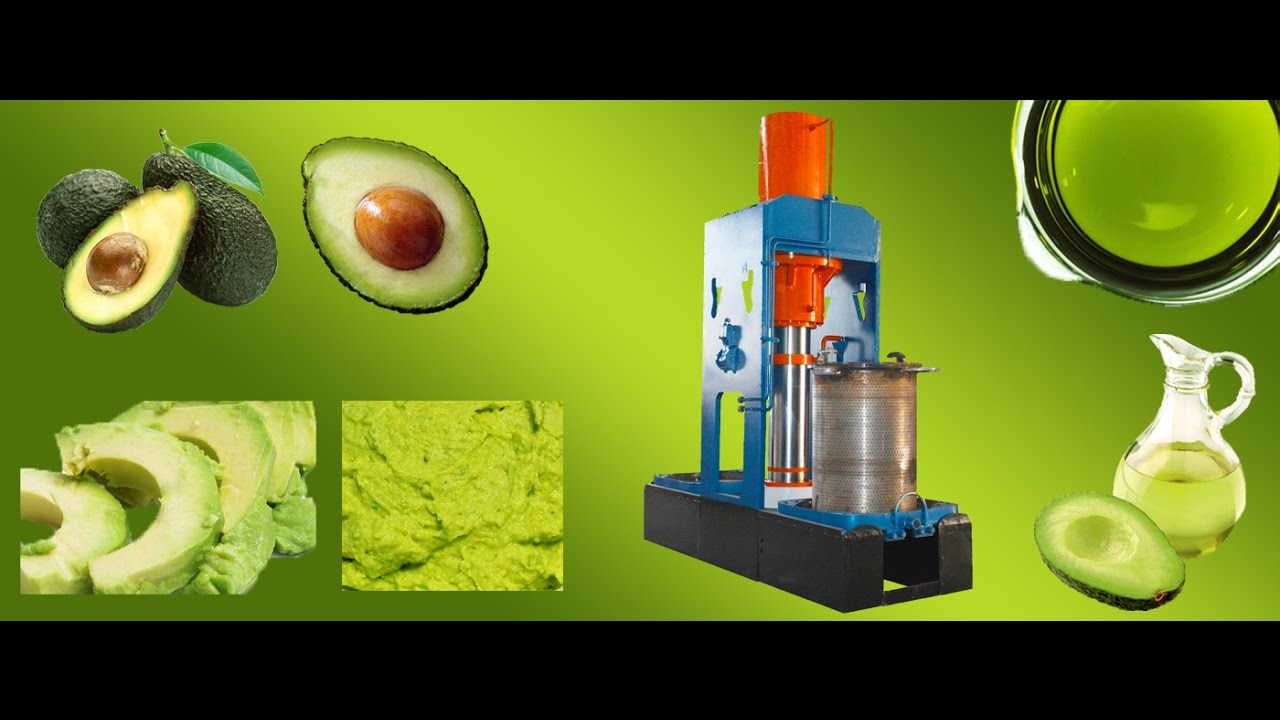
Avocado oil has become increasingly popular in recent years due to its numerous health benefits and versatility in cooking. As the demand for this nutritious oil continues to rise, it is important to understand the economics behind avocado oil production.
Avocado oil is extracted from the pulp of ripe avocados and is known for its high concentration of healthy fats, particularly monounsaturated fats like oleic acid. This makes it a heart-healthy alternative to other cooking oils that are high in unhealthy saturated fats. Avocado oil also contains antioxidants and vitamins that can benefit overall health when consumed regularly.
The production of avocado oil starts with harvesting ripe avocados from orchards. The cost of harvesting can vary depending on factors such as labor costs, equipment maintenance, and transportation expenses. Avocado trees require specific growing conditions such as well-drained soil and adequate water supply, which can impact the overall cost of production.
Once the avocados are harvested, they are sorted based on ripeness and quality. Only high-quality avocados are selected for oil extraction to ensure a premium product. The avocados are then washed and de-stoned before being processed into a puree.
The next step in avocado oil production is extraction. There are two main methods used to extract avocado oil: cold-pressing and chemical extraction. Cold-pressing involves using mechanical pressure to squeeze the oil out of the avocado puree without exposing it to high temperatures or chemicals. This method preserves more nutrients in the final product but may result in lower yields compared to chemical extraction.
Chemical extraction involves using solvents like hexane to separate the oil from the avocado puree efficiently. While this method may yield more oil per batch, there is a risk of solvent residue remaining in the final product if not properly removed through refining processes.
After extraction, the avocado oil undergoes filtering and refining processes to remove any impurities or undesirable flavors. This additional processing adds to the overall cost of production but ensures a clean and high-quality final product that meets industry standards.
Packaging and distribution also play a significant role in the economics of avocado oil production. Packaging costs include materials such as bottles or containers, labels, caps, and packaging design. Distribution costs involve transporting finished products from manufacturing facilities to retailers or directly to consumers through online sales channels.
Marketing expenses should also be considered when calculating the total cost of producing avocado oil. Promoting a new brand or product line requires investment in advertising campaigns, social media marketing, influencer partnerships, trade shows, and other promotional activities that aim at increasing brand awareness and driving sales.
On the flip side, revenue generation comes from selling processed avocado oils either directly by manufacturers through their own marketing channels or indirectly through distributors who take care of retail placements across various stores worldwide.
Retail prices for avocado oils can vary significantly depending on factors such as brand reputation,…

Leave a Reply