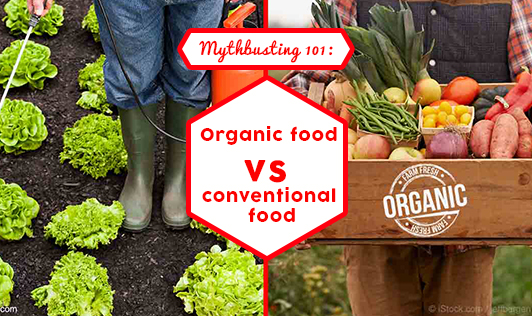
Are you someone who stands in the produce aisle, torn between choosing organic or conventional fruits and vegetables? Many of us have been there before, wondering if it’s really worth shelling out extra cash for those beautifully labeled organic items. Let’s take a closer look at the debate between organic and conventional produce and see if we can shed some light on this juicy topic.
First off, let’s break down what exactly “organic” means. Organic produce is grown without synthetic pesticides, fertilizers, or genetically modified organisms (GMOs). Instead, farmers use natural methods like crop rotation, composting, and biological pest control to cultivate their crops. On the other hand, conventional produce is grown using synthetic chemicals to boost growth and ward off pests. While these chemicals may increase yield and reduce disease risk in crops, they can also leave residues on your food that you might not want to ingest.
One of the main arguments in favor of organic produce is its potential health benefits. Some studies suggest that organic fruits and vegetables contain higher levels of antioxidants and essential nutrients compared to their conventionally-grown counterparts. Additionally, by avoiding exposure to synthetic pesticides and chemicals used in conventional farming practices, you may reduce your risk of ingesting harmful substances that could potentially impact your health in the long run.
But don’t count conventional produce out just yet! It often comes with a lower price tag than its organic counterpart, making it more accessible for budget-conscious shoppers. Plus, many argue that the difference in nutrient content between organic and conventional produce is minimal when considering overall diet quality. So if going all-organic isn’t feasible for you financially, rest assured that opting for conventionally-grown fruits and veggies can still be a healthy choice.
When it comes to taste preferences, individuals may notice subtle differences between organic and conventional produce varieties due to factors like soil quality and farming practices. Some claim that organically-grown fruits are sweeter or have a richer flavor profile compared to conventionally-grown ones – but taste is subjective! Ultimately, whether you prefer one over the other will come down to personal preference.
Another point to consider when weighing your options is environmental impact. Organic farming practices tend to be more sustainable since they prioritize soil health preservation through methods like crop rotation and composting. By supporting organic agriculture practices over time you’re helping promote biodiversity while reducing pollution from chemical runoff into water sources – a win-win for both our bodies’ well-being as well as Mother Earth’s!
In conclusion – whether you choose organic or conventional produce ultimately depends on your own priorities: budget constraints versus health concerns; environmental sustainability versus convenience; taste preferences versus nutritional value perceptions… The good news? Both types offer benefits depending on what matters most to YOU! So go ahead – explore both sides of this tasty debate next time you’re at the grocery store aisle trying decide which apple looks juicier – after all variety IS the spice life!

Leave a Reply