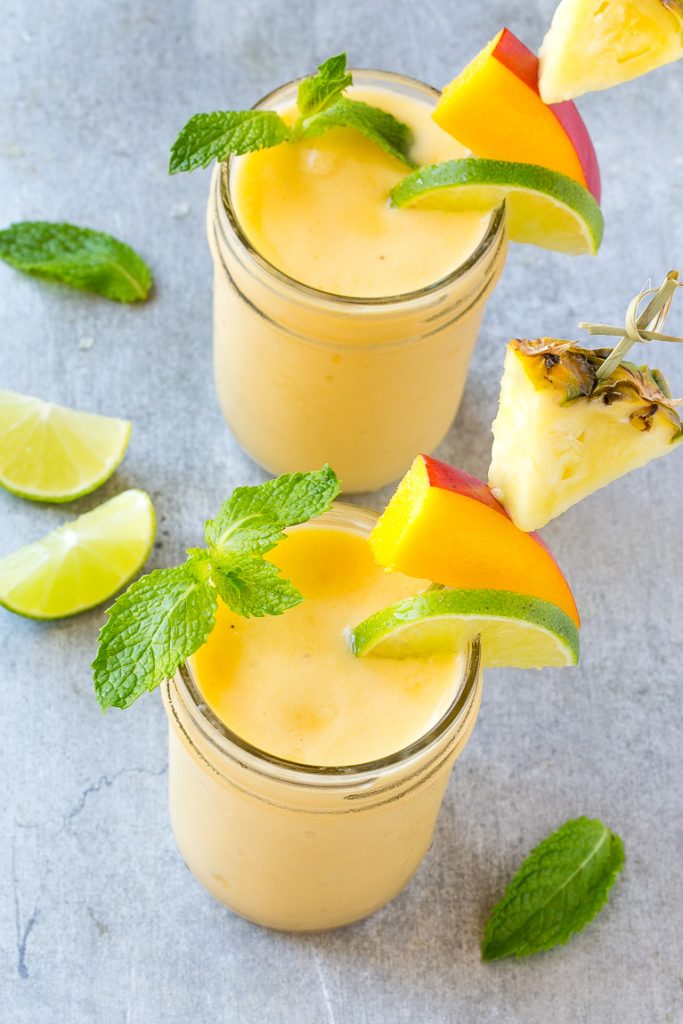
Smoothies are a popular choice for those looking to enjoy a delicious and nutritious drink. With their refreshing taste and ability to pack in a variety of fruits, vegetables, and other healthy ingredients, smoothies have become a staple in many people’s diets. Tropical smoothies, in particular, offer a unique flavor profile that transports you to a paradise with every sip.
One of the key features of tropical smoothies is the use of tropical fruits such as mangoes, pineapples, papayas, coconuts, and bananas. These fruits not only add sweetness and flavor but also provide essential vitamins, minerals, and antioxidants that contribute to overall health. Mangoes are rich in vitamin C and fiber while pineapples contain bromelain which can aid digestion. Papayas are loaded with vitamins A and C which support skin health and immunity. Coconuts are packed with healthy fats while bananas offer potassium for heart health.
In addition to these tropical fruits, many tropical smoothie recipes also include ingredients like coconut water or milk for added hydration and creaminess. Coconut milk is known for its rich texture and subtle sweetness while coconut water provides electrolytes essential for staying hydrated especially after exercise or on hot days.
To enhance the nutritional value of tropical smoothies even further, many recipes incorporate leafy greens such as spinach or kale. These greens boost the fiber content of the smoothie as well as provide additional vitamins like K and folate. The mild taste of leafy greens blends seamlessly with the sweetness of tropical fruits making it an easy way to sneak in some extra nutrients.
Another common addition to tropical smoothies is protein powder or Greek yogurt which helps make the smoothie more filling and satisfying. Protein is crucial for muscle repair and growth so adding it to your smoothie can turn it into a complete meal replacement option especially when paired with healthy fats from sources like chia seeds or nut butter.
When it comes to sweetening your tropical smoothie naturally without refined sugars, options like honey or dates can be used sparingly. These natural sweeteners add depth of flavor without causing blood sugar spikes compared to processed sugars found in commercial drinks.
For those looking to further customize their tropical smoothie experience based on dietary preferences or restrictions there are plenty of alternatives available. For instance, using almond milk instead of dairy-based milks offers a lactose-free option while still providing calcium and Vitamin E benefits.
Moreover, incorporating superfoods like chia seeds or flaxseeds into your tropical smoothie can boost its nutritional content significantly by adding omega-3 fatty acids which support brain health among other benefits including aiding digestion due their high fiber content.
It’s important not only what goes into your tropical smoothie but also how you prepare it that makes all difference! Ensuring proper blending techniques will result in a creamy consistency without any chunks left behind from unblended ingredients ensuring an enjoyable drinking experience each time you indulge yourself in this delightful treat!
In conclusion,Tropical Smoothies offer not only refreshment but also vital nutrients necessary for maintaining good health – making them an excellent choice if you’re looking for something both tasty yet nourishing! So next time when craving something sweet reach out towards these vibrant colored concoctions full goodness nature has offer!

Leave a Reply