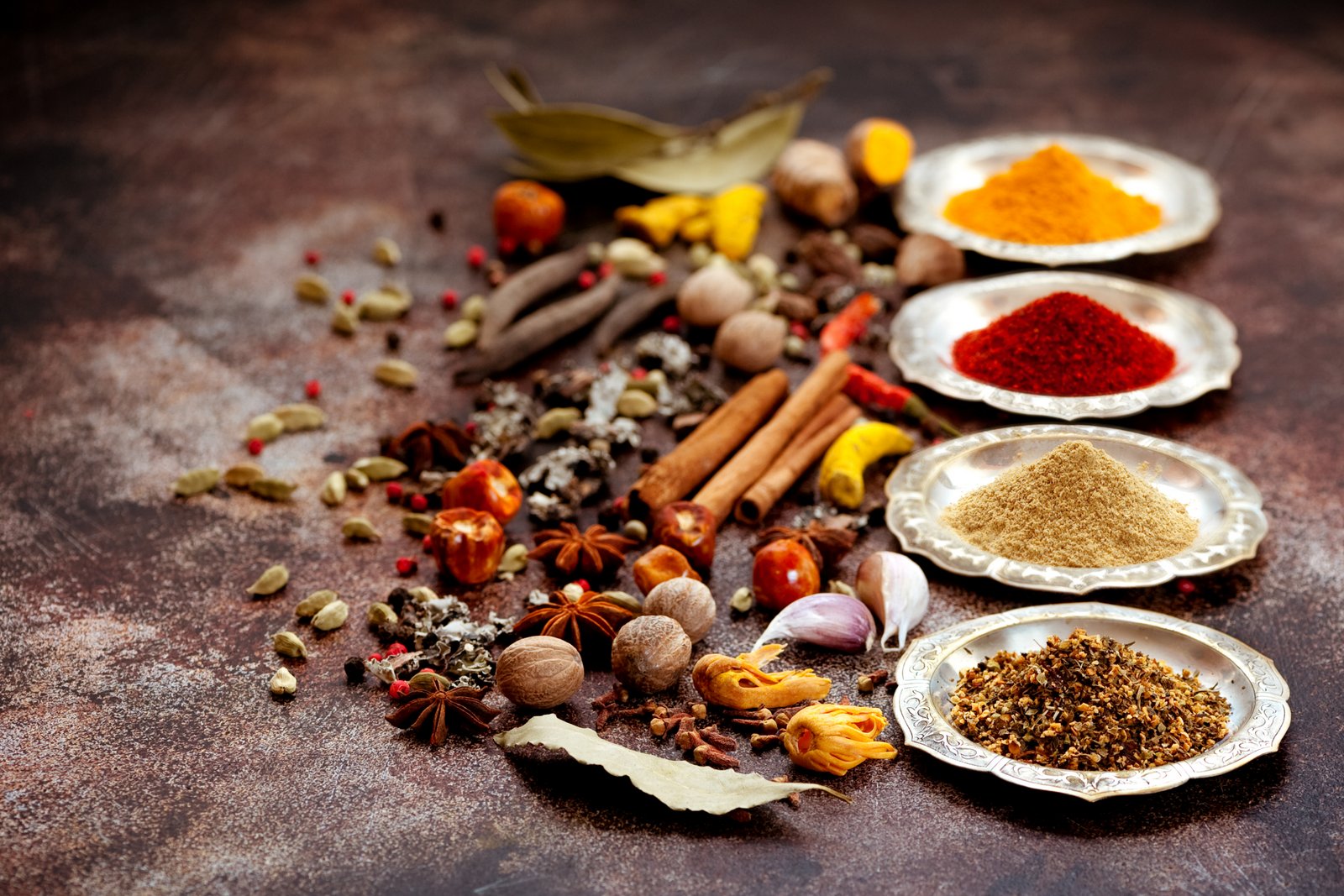
Indian cuisine is known for its rich flavors, vibrant spices, and diverse range of dishes that cater to various tastes and dietary needs. With a strong emphasis on incorporating fresh ingredients and aromatic herbs, Indian recipes offer a plethora of options for those looking to embrace healthy eating habits without compromising on taste.
One staple in Indian cooking is lentils, which are not only packed with protein but also provide essential nutrients like fiber, iron, and folate. Dishes like dal (lentil curry) come in many variations across different regions of India, each offering a unique blend of spices and seasonings. Lentils are not only nutritious but also versatile, making them an excellent choice for vegetarians and vegans seeking plant-based sources of protein.
Another popular ingredient in Indian cuisine is turmeric, revered for its anti-inflammatory properties and earthy flavor. Turmeric is often used in curries, stews, rice dishes, and even beverages like golden milk. Incorporating turmeric into your meals can help boost your immune system and promote overall well-being. Its distinct yellow color adds vibrancy to dishes while providing numerous health benefits.
Vegetables play a prominent role in Indian recipes as well. From simple stir-fries to complex vegetable biryanis (rice dishes), there are countless ways to enjoy the goodness of fresh produce in Indian cooking. Spinach (palak), eggplant (baingan), okra (bhindi), and cauliflower (gobi) are just a few examples of vegetables commonly used in Indian dishes that offer vitamins, minerals, and antioxidants.
Whole grains like brown rice, quinoa, millet, and sorghum are often featured in Indian meals as well. These nutrient-dense grains provide sustained energy levels while offering essential nutrients such as fiber and B vitamins. Roti (whole wheat flatbread) is another staple that complements curries and dals perfectly while adding dietary fiber to your meal.
Yogurt-based dishes like raita or lassi provide probiotics that support gut health while offering a cooling contrast to spicy curries. Yogurt is often flavored with herbs like mint or cumin seeds to enhance its taste profile further. Including yogurt-based accompaniments in your meal helps balance the heat from spicy foods typical of Indian cuisine.
Nuts and seeds feature prominently in Indian sweets and savory snacks alike. Almonds, cashews, pistachios along with sesame seeds provide healthy fats along with vitamins E & B6 when consumed regularly as part of the diet.They add texture,savoriness,and nutrition value whether it’s added directly into the dish or used as garnish atop finished food items.Furthermore,dry fruits such as raisins,date,tamarind add natural sweetness & carry high nutritional values due their content being rich source Vitamin A,C,K,Iron,Potassium,Magnesium,making them ideal choices either snacking individually or getting integrated within main course recipes
In conclusion,the beauty of incorporating traditional Indian recipes into your diet lies not only in their delicious flavors but also their potential health benefits.From nourishing lentil-centric dishes,to antioxidant-rich vegetables,and probiotic-packed yogurt treats,you can explore a wide array of culinary delights rooted deeply within centuries-old traditions.With mindful ingredient selection coupled alongside traditional cooking techniques you can experience firsthand how these flavorful offerings contribute towards maintaining good health thus reflecting an intricate connection between food culture & wellbeing through every bite taken!

Leave a Reply