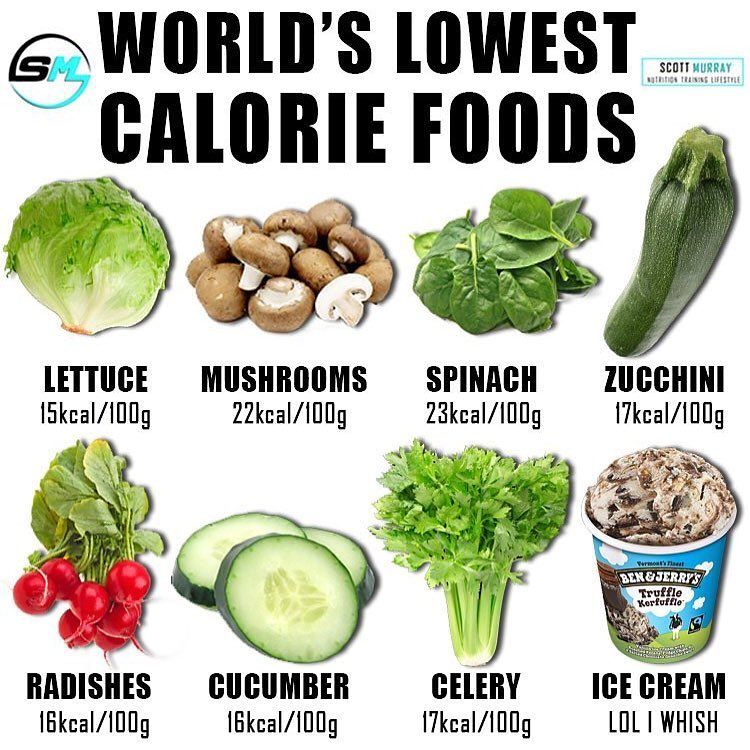
Whether you’re looking to lose weight, maintain a healthy lifestyle, or simply cut back on calories, incorporating low-calorie alternatives into your diet can make a significant difference. From baking substitutes to meal prep tips and beyond, there are numerous ways to enjoy delicious food without compromising on taste or satisfaction.
Low-Calorie Baking Substitutes:
One of the easiest ways to reduce calorie intake while still enjoying baked goods is by using low-calorie substitutes in recipes. Swap out butter for applesauce or mashed bananas in muffins and quick breads. You can also replace sugar with stevia or monk fruit sweeteners for a lower-calorie alternative. Additionally, using almond flour or coconut flour instead of traditional white flour can add more nutrients and fewer calories to your baked treats.
Low-Calorie Meal Prep Tips:
Meal prepping is a great way to stay on track with your low-calorie goals throughout the week. When preparing meals in advance, focus on lean proteins like chicken breast or tofu, plenty of vegetables, and whole grains such as quinoa or brown rice. Portion out your meals into containers to avoid overeating and make it easier to grab a healthy option when hunger strikes.
Low-Calorie Snacks for On-the-Go:
When you’re on the move, having low-calorie snacks readily available can prevent impulsive choices that may derail your healthy eating efforts. Opt for portable options like carrot sticks with hummus, Greek yogurt with berries, rice cakes with almond butter, or air-popped popcorn seasoned with herbs.
Low-Calorie Cooking Oils:
Choosing the right cooking oil can make a big difference in reducing calories in your dishes. Instead of using oils high in saturated fats like coconut oil or palm oil, opt for options like olive oil or avocado oil which are lower in calories and rich in heart-healthy monounsaturated fats.
Low-Calorie Sweeteners:
Cutting back on sugar doesn’t mean sacrificing sweetness altogether. Stevia, erythritol, and monk fruit sweeteners are all excellent alternatives that won’t spike blood sugar levels but still provide that desired sweetness without the added calories.
Low-Calorie Alcoholic Drinks:
Alcoholic beverages can quickly add up in terms of calories if you’re not mindful of what you’re consuming. Opt for light beer, wine spritzers made with soda water instead of sugary mixers, or vodka sodas with fresh lime juice for lower-calorie cocktail options.
Low-Calorie Condiments and Sauces:
Many condiments and sauces are packed full of hidden sugars and unnecessary calories. Choose mustard over mayo, salsa over creamy dips, lemon juice over salad dressings loaded with oils and sugars to keep your calorie count down while adding flavor to your meals.
Low-Calorie Comfort Food Recipes:
Who says comfort food has to be heavy on calories? Swap out traditional ingredients like cream and cheese with lighter alternatives such as Greek yogurt or nutritional yeast when making dishes like macaroni and cheese or creamy soups for healthier versions that don’t skimp on flavor.
Low-Calories Breakfast Options:
Starting off your day with a nutritious breakfast sets the tone for healthier eating habits throughout the day. Enjoy oatmeal topped with fresh fruit and nuts; scrambled eggs mixed with spinach and cherry tomatoes; smoothie bowls packed full of greens; whole grain toast topped with avocado slices as satisfying low-calorie morning meal options.
In conclusion,
Making small changes towards incorporating more low-calories foods into our diets can have long-term positive impacts on our health goals – whether it is losing weight maintaining it ensuring we eat healthily every day

Leave a Reply