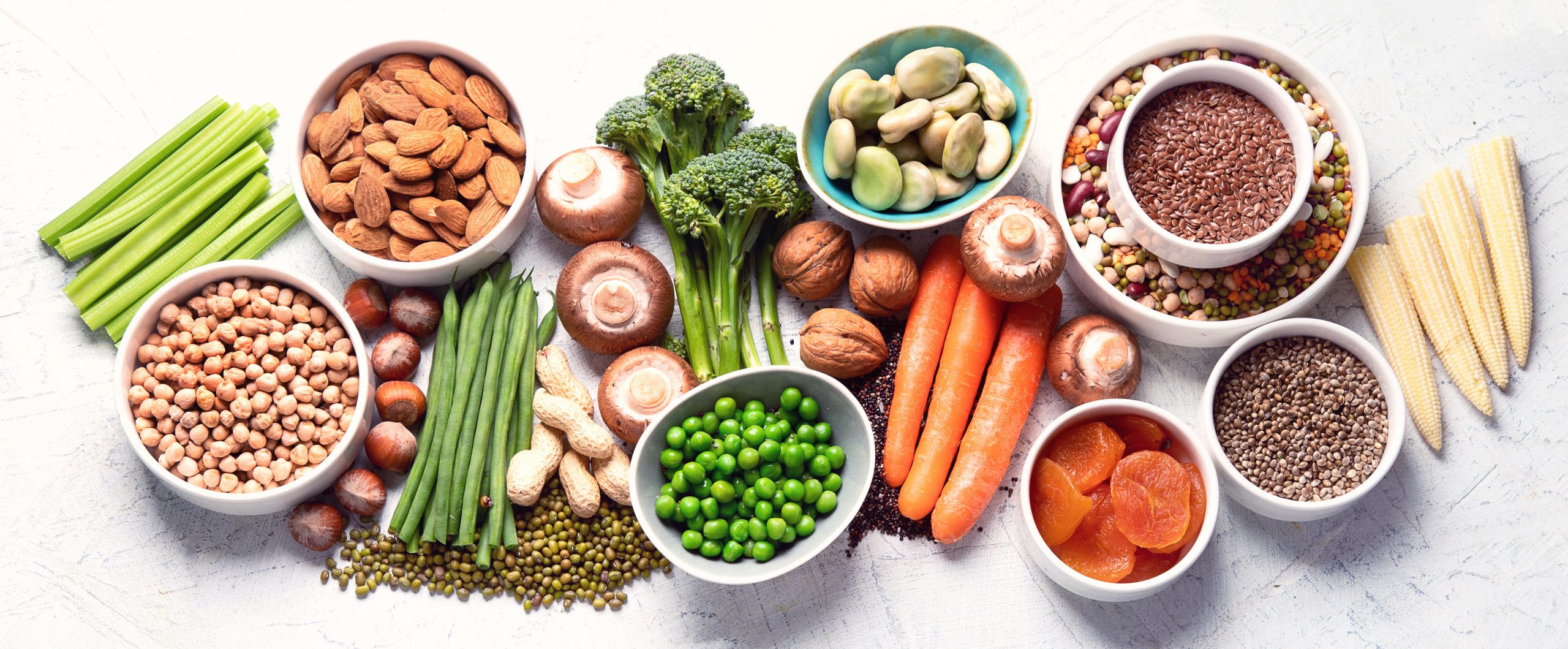
South America is a treasure trove of plant-based protein sources that have been cultivated and consumed for centuries by indigenous communities in the region. These nutrient-dense foods not only provide essential amino acids for muscle growth and repair but also offer a wide range of vitamins, minerals, and antioxidants that contribute to overall health and well-being. In this article, we will explore some of the most popular South American plant-based protein sources that can be incorporated into a balanced diet.
Quinoa is perhaps one of the most well-known South American superfoods. Originating from the Andean region, quinoa has gained global popularity due to its high protein content and impressive nutritional profile. This ancient grain is a complete protein source, meaning it contains all nine essential amino acids that the body cannot produce on its own. Quinoa is also rich in fiber, iron, magnesium, and manganese, making it an excellent choice for vegetarians and vegans looking to boost their protein intake.
Another popular plant-based protein source from South America is amaranth. Like quinoa, amaranth is a complete protein with all nine essential amino acids present in balanced amounts. It is also rich in calcium, iron, magnesium, phosphorus, potassium, and vitamins A and C. Amaranth can be cooked similarly to rice or used as a gluten-free flour in baking recipes.
Beans play a significant role in South American cuisine and are an important source of plant-based protein in the region’s traditional diets. Black beans, kidney beans, pinto beans, chickpeas (garbanzo beans), lentils – these legumes are versatile ingredients that can be used in soups, stews, salads or as side dishes. Beans are not only high in protein but also contain fiber which helps with digestion and promotes gut health.
Chia seeds are tiny powerhouses of nutrition originating from Central and South America. These seeds are packed with omega-3 fatty acids which are beneficial for heart health along with being a good source of plant-based proteins containing all nine essential amino acids our bodies need to function properly.
Soybeans have been cultivated for thousands of years across South America as both food for humans as well as fodder for animals due to their high-protein content. Soybeans can be consumed whole or processed into products like tofu (bean curd), tempeh (fermented soybean cake), edamame (young soybeans), or soy milk which can serve as alternatives to dairy products while providing ample amounts of plant-based proteins.
In addition to these more commonly known sources of plant-based proteins from South America there are lesser-known options worth exploring such as Sacha Inchi seeds which come from the Amazon rainforest region rich in omega-3 fatty acids; Maca root powder grown at high altitudes in Peru provides various nutrients including proteins; Yacon root syrup made from tubers native mainly through Ecuador offers prebiotic fibers along with small amounts of proteins among other benefits.
It’s important to note that while these South American plant-based protein sources offer numerous health benefits they should be part of a diverse diet that includes fruits vegetables whole grains nuts seeds legumes lean meats fish poultry dairy products if desired ensuring adequate intake all necessary nutrients required optimal functioning body mind overall wellbeing.

Leave a Reply