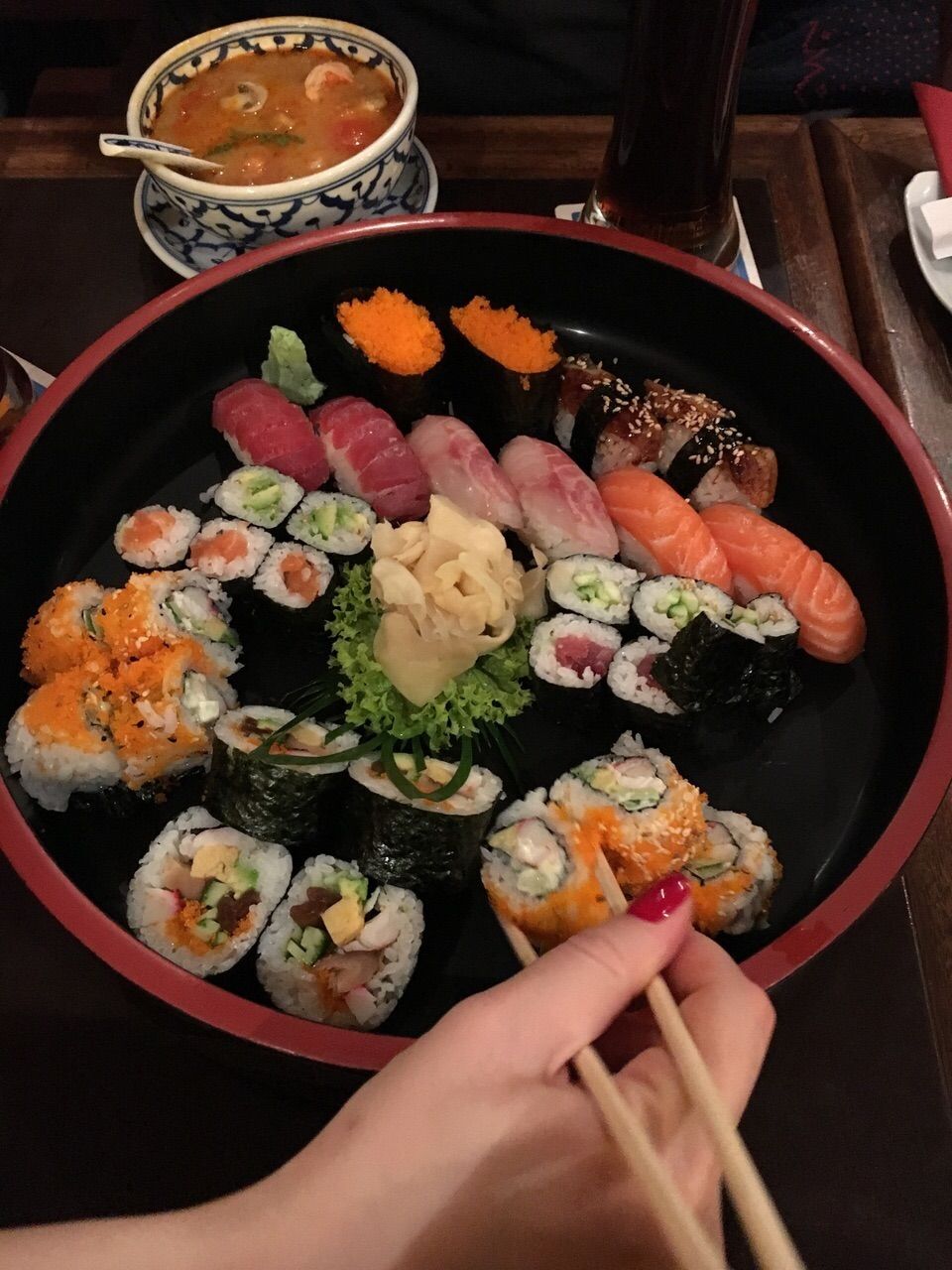
Japan is a country known for its rich cultural heritage, stunning landscapes, advanced technology, and most importantly, its unique and healthy cuisine. Japanese food is not only delicious but also considered one of the healthiest in the world due to its emphasis on fresh ingredients, minimal use of fats and oils, and balanced nutritional content.
One of the key elements of Japanese cuisine is the principle of “ichiju-sansai,” which translates to “one soup, three dishes.” This traditional way of eating ensures a well-rounded meal with a variety of flavors and nutrients. A typical Japanese meal consists of steamed rice, miso soup, protein such as fish or tofu, pickled vegetables (tsukemono), and various side dishes like grilled vegetables or simmered dishes.
Rice is a staple in Japanese cuisine and provides essential carbohydrates for energy. Unlike processed white rice commonly found in Western diets, Japan predominantly consumes short-grain white rice or brown rice which retains more nutrients and fiber. Rice is often accompanied by small portions of protein like fish or tofu along with vegetables to create a balanced meal.
Seafood plays a significant role in traditional Japanese cooking as Japan is surrounded by water teeming with fresh fish and seafood. Fish such as salmon, mackerel, tuna, and sardines are rich sources of omega-3 fatty acids that are beneficial for heart health and brain function. Sushi – vinegared rice topped with raw fish or seafood – has gained popularity worldwide for its exquisite taste and health benefits.
Another standout feature of Japanese cuisine is the use of fermented foods like miso, soy sauce, natto (fermented soybeans), and pickled vegetables. Fermented foods contain probiotics that promote gut health by introducing beneficial bacteria into the digestive system. Miso soup made from fermented soybean paste is not only flavorful but also aids digestion while providing essential vitamins and minerals.
Vegetables play a crucial role in Japanese meals both as side dishes and main components. The practice of incorporating seasonal vegetables ensures freshness and variety in every dish. Wakame seaweed commonly used in salads or soups contains high levels of vitamins A, C, D, E as well as minerals like calcium and magnesium. Daikon radish often served pickled or grated adds a crunchy texture along with enzymes that aid digestion.
Green tea holds a special place in Japanese culture as it is consumed throughout the day alongside meals or enjoyed during traditional tea ceremonies. Green tea is packed with antioxidants called catechins that have been linked to numerous health benefits including improved heart health, weight management,
and reduced risk of chronic diseases such as cancer.
In addition to being nutritious,
Japanese cuisine also emphasizes mindful eating practices that encourage slower eating pace,
appreciation for food presentation,
and savoring each bite.
This approach promotes better digestion
and helps prevent overeating
which can lead to weight gain
and other health issues.
While traditional Japanese cuisine offers an array
of healthy options,
it’s worth noting that modern dietary habits
in Japan are shifting towards more Westernized fast food choices high in refined sugars,
saturated fats,
and processed ingredients.
As a result,
obesity rates among adults
and children have been rising over recent years.
Despite these challenges,
the essence
of healthy eating deeply rooted within Japanese culinary traditions continues to inspire people worldwide to adopt mindful eating practices
and incorporate nutrient-rich foods into their diets.
By embracing the principles behind ichiju-sansai –
a balanced meal consisting
of diverse flavors
nutrient-dense ingredients –
we can all take cues from Japan’s approach to healthy living through their vibrant cuisine.
In conclusion,
Japanese food exemplifies how deliciousness can be intertwined with good nutrition.
The focus on fresh ingredients cooked simply yet elegantly showcases how healthy eating doesn’t have to be bland or boring.
By embracing the core principles behind traditional Japanese cuisine – balance,
variety,
moderation –
we can all make strides towards healthier lifestyles while enjoying mouthwatering meals inspired by this culinary treasure trove.

Leave a Reply