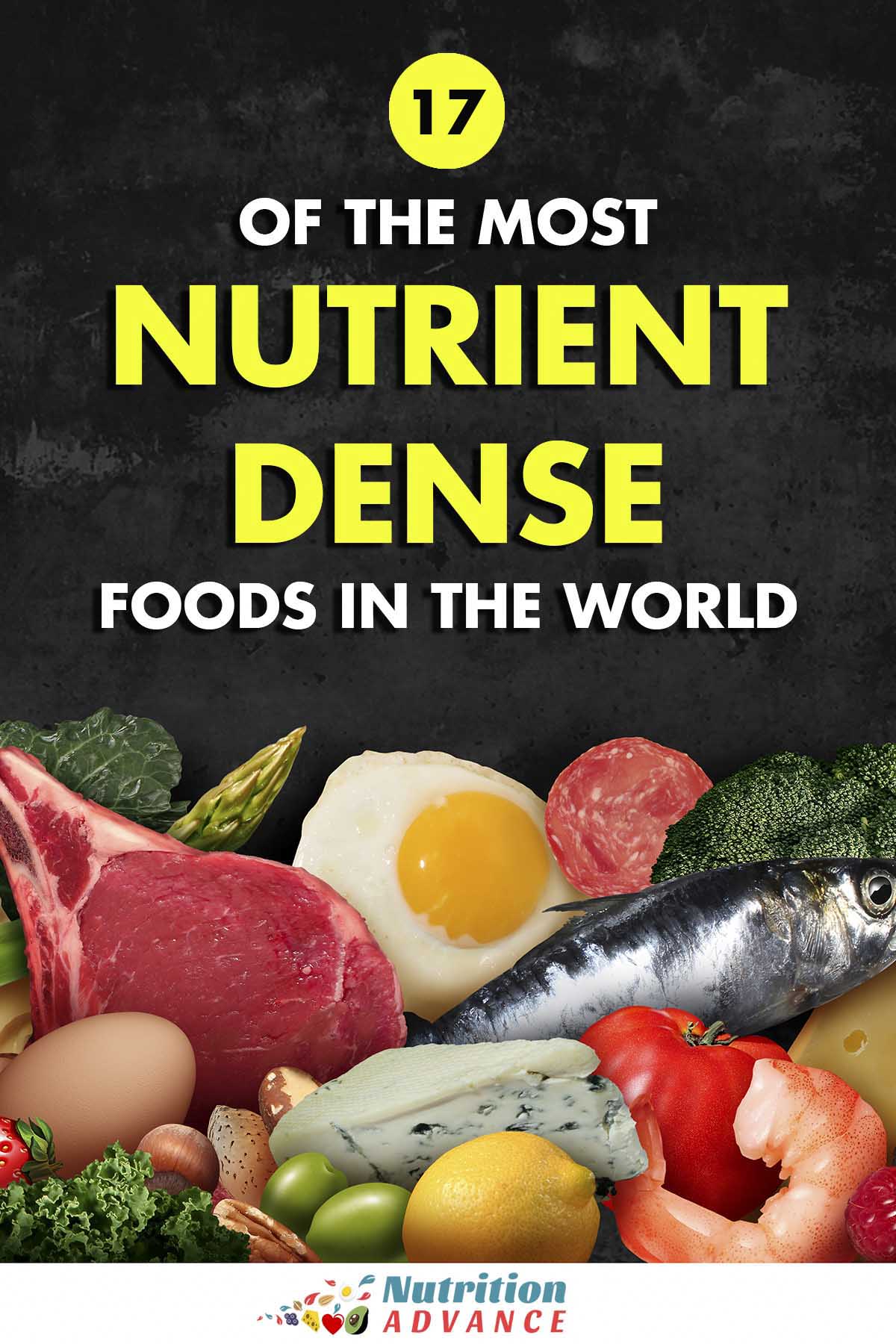
Nutritional Value is a key aspect when it comes to maintaining a healthy diet. Understanding the nutrients in the foods we consume is essential for overall well-being and can help prevent various diseases and health conditions. In this article, we will explore the top 8 factors that contribute to the nutritional value of food.
1. Macronutrients: The first essential component of nutritional value is macronutrients, which include carbohydrates, proteins, and fats. These are required by the body in large amounts to provide energy and support various bodily functions. Carbohydrates are our main source of energy, while proteins are crucial for building and repairing tissues, and fats help in absorbing vitamins and protecting organs.
2. Micronutrients: While macronutrients are needed in larger quantities, micronutrients such as vitamins and minerals are equally important in smaller doses for overall health. Vitamins like A, C, D, E, K, B-vitamins (such as B12), and minerals like calcium, iron, magnesium, zinc play vital roles in supporting immune function, bone health, vision clarity among many other crucial functions.
3. Fiber Content: Fiber is a type of carbohydrate that the body cannot digest but plays a significant role in digestive health. It helps regulate bowel movements by adding bulk to stool and preventing constipation. Additionally fiber assists with controlling blood sugar levels after meals which aids in reducing hunger pangs making it an effective tool for weight management.
4. Antioxidants: Antioxidants are compounds found in fruits and vegetables that help protect cells from damage caused by free radicals. Free radicals are unstable molecules that can lead to inflammation within the body if left unchecked leading to chronic diseases including heart disease or cancer among others
5. Phytonutrients: Phytonutrients refer to natural chemicals found in plants that have numerous health benefits such as reducing inflammation or acting as antioxidants helping protect against chronic diseases like cancer or heart disease
6. Omega-3 Fatty Acids: Omega-3 fatty acids are unsaturated fats primarily found in fish oil but also present some plant-based sources like chia seeds or flaxseeds They have anti-inflammatory properties which can reduce risks associated with cardiovascular disease improve cognitive function aid mood regulation among other benefits
7.Hydration Levels – Water content contributes significantly towards nutritional value; proper hydration supports digestion nutrient absorption temperature regulation waste removal cellular processes Healthy individuals should aim drink at least eight glasses water per day staying hydrated especially during exercise hot weather situations
8.Allergen Information – Knowing ingredient lists allergens present products eat critical those food sensitivities allergies Some common allergens include peanuts tree nuts dairy gluten soy shellfish If you known allergy certain ingredient sure avoid consuming items contain ensure safe eating experience
In conclusion Nutritional value encompasses variety aspects including macro micro nutrients fiber antioxidants phytonutrients omega 3 fatty acids hydration allergen information Paying attention these factors making conscious choices about what consume contribute healthier lifestyle Make sure maintain balanced diet incorporating wide array foods ensure getting all necessary nutrients stay vibrant full life

Leave a Reply