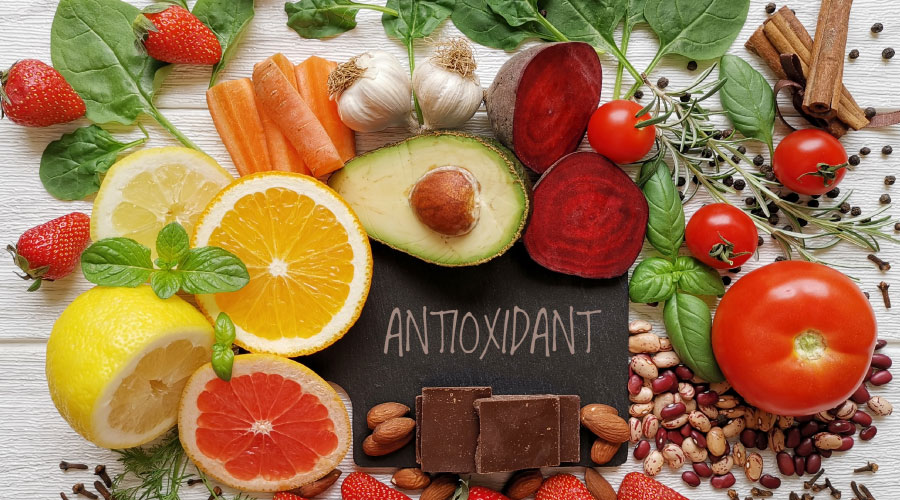
Antioxidants play a crucial role in maintaining our health and well-being by combating the harmful effects of free radicals in the body. Free radicals are unstable molecules that can cause oxidative stress, leading to cell damage and contributing to various chronic diseases. Incorporating antioxidant-rich foods into your diet is a great way to boost your overall health and protect your body from oxidative damage.
1. Antioxidants in Spices and Herbs:
Spices and herbs are not just flavor enhancers but also potent sources of antioxidants. Some common spices like cinnamon, turmeric, oregano, and cloves are packed with antioxidants such as polyphenols and flavonoids. These antioxidants help reduce inflammation, lower cholesterol levels, and improve blood sugar control. Adding a variety of spices and herbs to your dishes can significantly increase your antioxidant intake.
2. Antioxidants in Seafood:
Seafood is an excellent source of omega-3 fatty acids as well as antioxidants like selenium, vitamin E, and astaxanthin. Omega-3 fatty acids have anti-inflammatory properties that can help protect against heart disease, arthritis, and other inflammatory conditions. Selenium plays a key role in supporting the immune system, while astaxanthin is a powerful carotenoid that gives salmon its pink color and offers protection against UV radiation damage.
3. Antioxidants and Eye Health:
Certain antioxidants like lutein, zeaxanthin, vitamin C, vitamin E, and zinc are particularly beneficial for eye health. Lutein and zeaxanthin accumulate in the retina where they act as natural sunblock agents that filter out harmful high-energy blue light wavelengths. They also have antioxidant properties that protect against age-related macular degeneration (AMD) – a leading cause of blindness among older adults.
4. Antioxidants and Skin Health:
Antioxidants play a vital role in preserving skin health by neutralizing free radicals generated by UV exposure or environmental pollutants. Vitamin C aids collagen synthesis for skin elasticity while vitamin E protects cell membranes from oxidative damage caused by free radicals present in air pollution or UV rays. Including foods rich in these vitamins such as citrus fruits (vitamin C) or nuts/seeds (vitamin E) can promote healthy skin aging.
5. Antioxidants in Nuts & Seeds:
Nuts like almonds, walnuts; seeds such as chia seeds or flaxseeds contain an array of antioxidants including vitamin E, selenium & polyphenols which offer benefits ranging from heart health promotion to anti-inflammatory effects on joints due to their high omega-3 content.
6.Antioxidants In Teas
Tea contains powerful antioxidants called catechins which help fight cellular damage caused by free radicals thus improving overall immunity levels along with reducing inflammation throughout the body aiding digestion making it one refreshing beverage choice
7.Antioxidant-Rich Fruits For Athletes
Fruits high on Vitamin C e.g., berries not only assist athletes with recovery post-training sessions but also aid muscle repair besides boosting immunity due to their rich antioxidant content helping fight off infections effectively
8.The Role Of Antioxidents In Reducing Inflammation
Inflammation being linked with several chronic diseases such as heart ailments or Type 2 diabetes is known to be managed effectively through regular consumption of antioxidant-rich food items reducing markers associated with systemic inflammation within the body
9.Lesser-Known Sources Of Anti-Oxidants
While berries may be commonly known for their anti-oxidant properties less-known options include artichokes containing quercetin offering protection against allergies relieving symptoms naturally without side-effects typically seen with prescription medications
10.Relationship Between Anti-Oxidant And Allergies
Anti-inflammatory nature possessed by most anti-oxidant rich foods helps alleviate allergic reactions stemming from hyper-sensitive immune response safeguarding individuals prone-to allergy attacks especially during changing weather conditions prevalent allergens thereby promoting better quality-of-life
11.Impact Of Cooking Methods On Anti-Oxidant Content
Cooking methods affecting nutritional profile especially anti-oxidant content wherein overcooking tends deplete vital nutrients requiring opting healthier cooking techniques viz., steaming/roasting retaining majority inherent nutrients thus ensuring maximum benefit consumption-wise
12.Natural Vs Synthetic Anti-Oxidants
Natural sources generally preferred over synthetic alternatives given latter found lacking co-factors enhancing bioavailability absorption rates apart from potential safety concerns arising long-term use favoring whole-food based approach whenever possible ensuring optimal nutrient uptake within body
13.Detoxification Properties Offered By Anti-Oxidants
Detoxifying process facilitated via liver aided considerably through active participation rendered by daily dietary intake replete essential anti-oxidant compounds provided mainly fruits/vegetables assisting elimination toxins optimizing metabolic functions naturally cleansing systems efficiently
14.Effect Of AntiOxidantes On Hormonal Balance
Hormonal balance often disrupted external factors inclusive stress pollution modern lifestyle choices corrected consuming balanced diet comprising hormone-regulating components primarily phytochemicals found plants exerting positive influence hormonal equilibrium reducing risks related endocrine disorders significantly
15.Preventing Chronic Diseases Through Usage Of AntiOxidates
Chronic diseases preventable adopting healthy dietary habits incorporating sufficient quantities anti-oxidative elements mitigating cellular damages triggered oxidation averting onset various ailments cardiovascular issues cancer neurological disorders securing robust defense mechanism internally staving away illnesses successfully

Leave a Reply