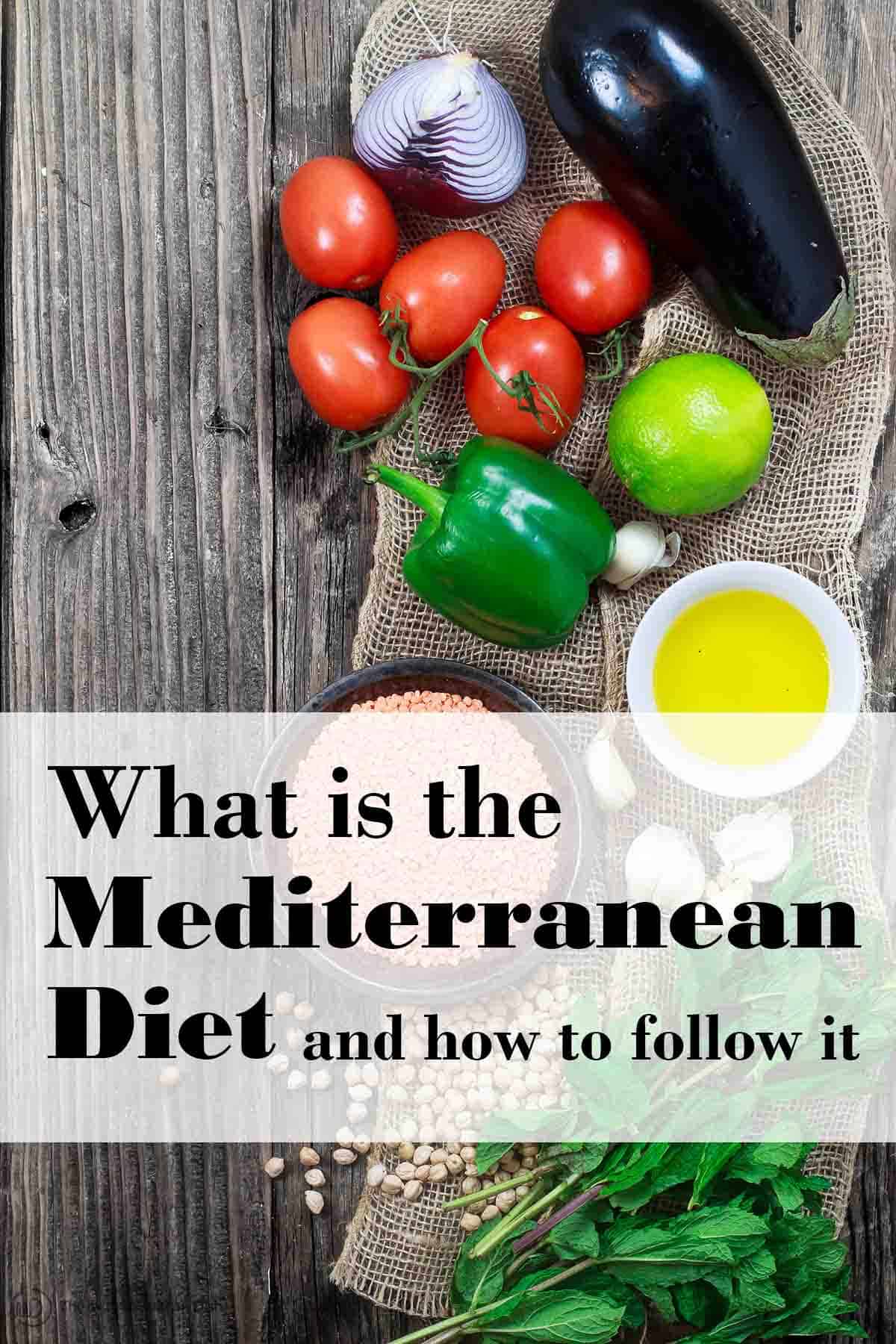
The Greek diet is renowned for its health benefits and emphasis on fresh, whole foods. Drawing inspiration from the Mediterranean region, the Greek diet incorporates a variety of nutrient-dense ingredients that not only promote overall well-being but also offer a delicious culinary experience. From heart-healthy fats to antioxidant-rich produce, here are eight key components of the traditional Greek diet that you can incorporate into your own eating habits.
1. Olive Oil:
At the heart of the Greek diet is olive oil – a staple ingredient that serves as a primary source of healthy fats. Rich in monounsaturated fats and antioxidants, olive oil has been linked to numerous health benefits, including reduced inflammation and improved heart health. Use extra virgin olive oil generously in cooking or drizzle it over salads for a flavorful boost.
2. Fruits and Vegetables:
Greek cuisine places a strong emphasis on fresh fruits and vegetables, which provide essential vitamins, minerals, and fiber. Incorporate a rainbow of colors into your meals by enjoying tomatoes, cucumbers, bell peppers, eggplants, zucchini, oranges, figs, and more. These plant-based foods not only add vibrant flavors to dishes but also contribute to overall wellness.
3. Whole Grains:
Whole grains play an important role in the Greek diet by offering complex carbohydrates for sustained energy levels. Opt for whole grain varieties such as barley, bulgur wheat (used in dishes like tabbouleh), farro (known as emmer wheat), and whole grain bread to boost fiber intake and support digestive health.
4. Legumes:
Beans and legumes are another cornerstone of the Greek diet due to their high protein content and versatility in recipes. Lentils, chickpeas (garbanzo beans), fava beans (used in dishes like ful medames), and black-eyed peas are commonly used in soups, stews or salads – providing plant-based protein along with fiber to keep you feeling full longer.
5. Seafood:
With its extensive coastline along the Aegean Sea and Ionian Sea plus multiple islands within its territory; Greece enjoys abundant access to fresh seafood options such as fish (like sardines or mackerel), shrimp (such as prawns) calamari/squid/octopus used either grilled or stewed; all rich sources omega-3 fatty acids which are beneficial for heart health.
6. Yogurt & Cheese:
Dairy products such as yogurt (often served with honey or fruit) & cheese hold an important place in traditional Greek cuisine providing probiotics aiding gut health while enhancing flavor profiles; popular cheeses include feta made from sheep’s milk/goat’s milk plus halloumi/haloumi/nallumi eaten grilled/fried
7: Nuts & Seeds
Nuts like almonds/walnuts/pistachios/cashews & seeds like sesame/flaxseed/chia constitute part daily snack/trail mix/meal garnish adding crunch texture healthy unsaturated fats nutritional value antioxidants magnesium/zinc/calcium/etc supporting brain function blood sugar regulation cholesterol management
8: Herbs & Spices
Herbs&spices feature prominently enhancing flavor aroma nutritional profile dishes reducing need salt unhealthy condiments garlic onion oregano mint parsley basil dill cinnamon nutmeg cumin paprika saffron coriander sumac common seasonings employed enriching culinary experience promoting good digestion immune system strength
By incorporating these key elements of the traditional Greek diet into your meals regularly; you can reap numerous health benefits while enjoying delicious flavors inspired by Mediterranean cuisine patterns known worldwide longevity vitality we hope this article helps make eating healthier bit easier enjoyable everyone!

Leave a Reply