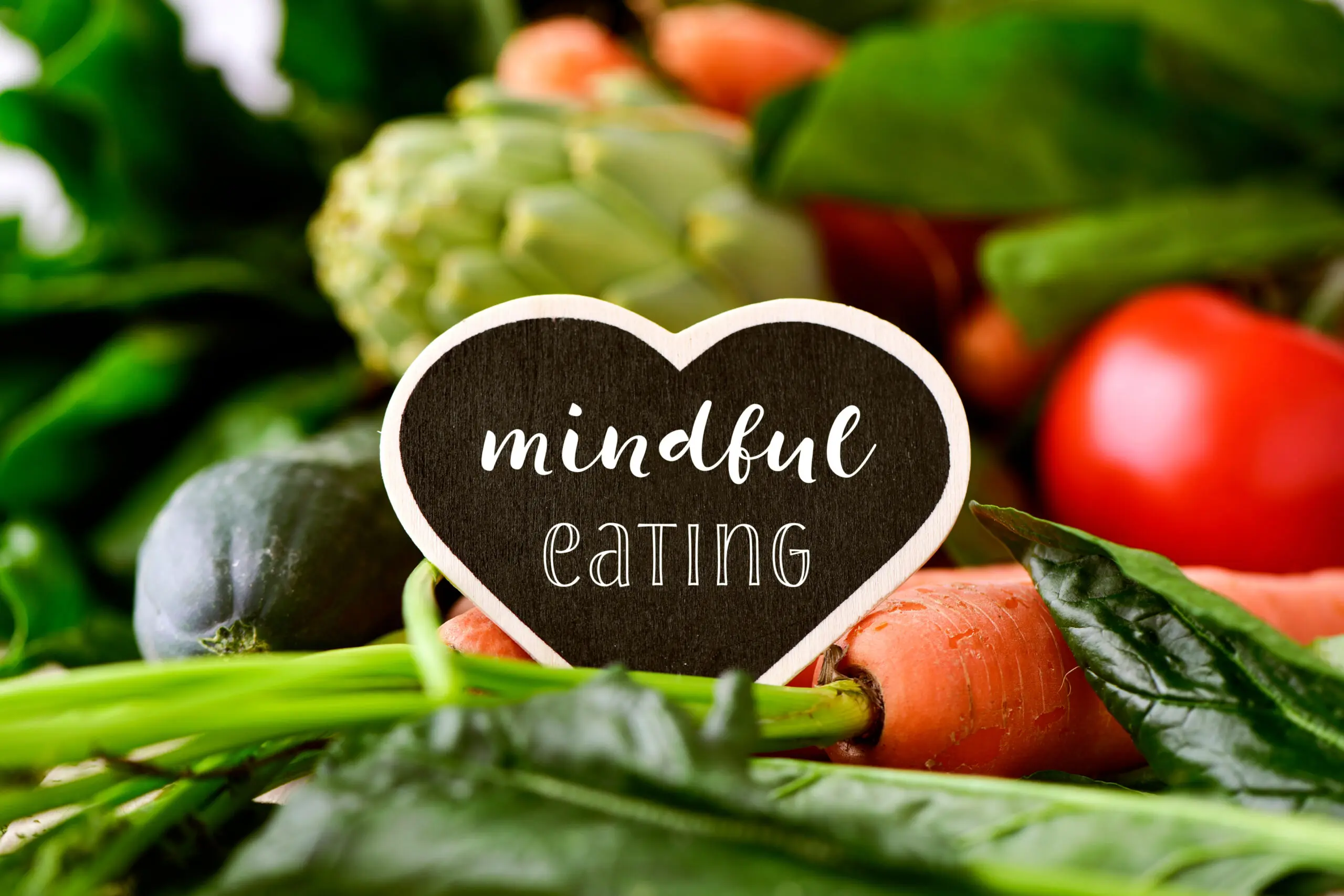
Mindful eating and mindless eating are two contrasting approaches to how we consume food. While both involve the act of eating, they differ significantly in terms of awareness, intentionality, and overall impact on our health and well-being.
Mindful eating is a practice rooted in mindfulness, which involves being fully present and engaged in the moment without judgment. When it comes to food, mindful eating means paying close attention to the sensory experience of eating – the taste, texture, aroma, and even the sounds associated with chewing. It also involves being aware of one’s hunger and fullness cues, as well as recognizing emotional triggers that may lead to overeating or unhealthy food choices.
On the other hand, mindless eating refers to consuming food without much thought or awareness. This often happens when we eat while distracted – whether it’s watching TV, working on a computer, or scrolling through our phones. In these situations, we tend to eat quickly and unconsciously, making it easy to overlook signals from our bodies that indicate satiety. This can result in overeating and poor digestion as our focus is not on the act of nourishing ourselves but rather on external stimuli.
One key aspect that sets mindful eating apart from mindless eating is the concept of “eating with intention.” Mindful eaters approach their meals with a sense of purpose – they view food as fuel for their bodies and prioritize nourishing themselves with wholesome ingredients that support their health goals. They take the time to savor each bite and express gratitude for the nourishment they receive from their meals.
In contrast, mindless eaters may have less clarity around why they are consuming certain foods or beverages. Eating out of boredom, stress, or habit can lead to a disconnect between what our bodies truly need for sustenance and what we are putting into them. This lack of intentionality can contribute to unhealthy patterns around food consumption and make it difficult to maintain a balanced diet.
Another crucial difference between mindful eating and mindless eating lies in portion control. Mindful eaters listen carefully to their body’s signals of hunger and fullness, allowing them to stop eating when satisfied rather than stuffed. By tuning into these cues, they are better able to maintain a healthy weight and avoid issues such as bloating or discomfort after meals.
Conversely,
mindless eaters may struggle with portion control due
to distractions or emotional factors influencing their
consumption habits.
Furthermore,
mindful eating encourages us
to slow down during meal times,
which can promote better digestion
and absorption of nutrients.
In conclusion,
the practice of mindful
eating offers numerous benefits
for our physical health,
emotional well-being,
and relationship with food.
By cultivating greater awareness
around our dietary choices
and honoring our body’s signals,
we can develop a more positive
and sustainable approach
to nourishing ourselves.
Whether you choose
to embrace mindfulness at every meal
or simply incorporate elements
of attentiveness into your routine,
making conscious choices around
food consumption can lead
to improved overall wellness
and enjoyment

Leave a Reply