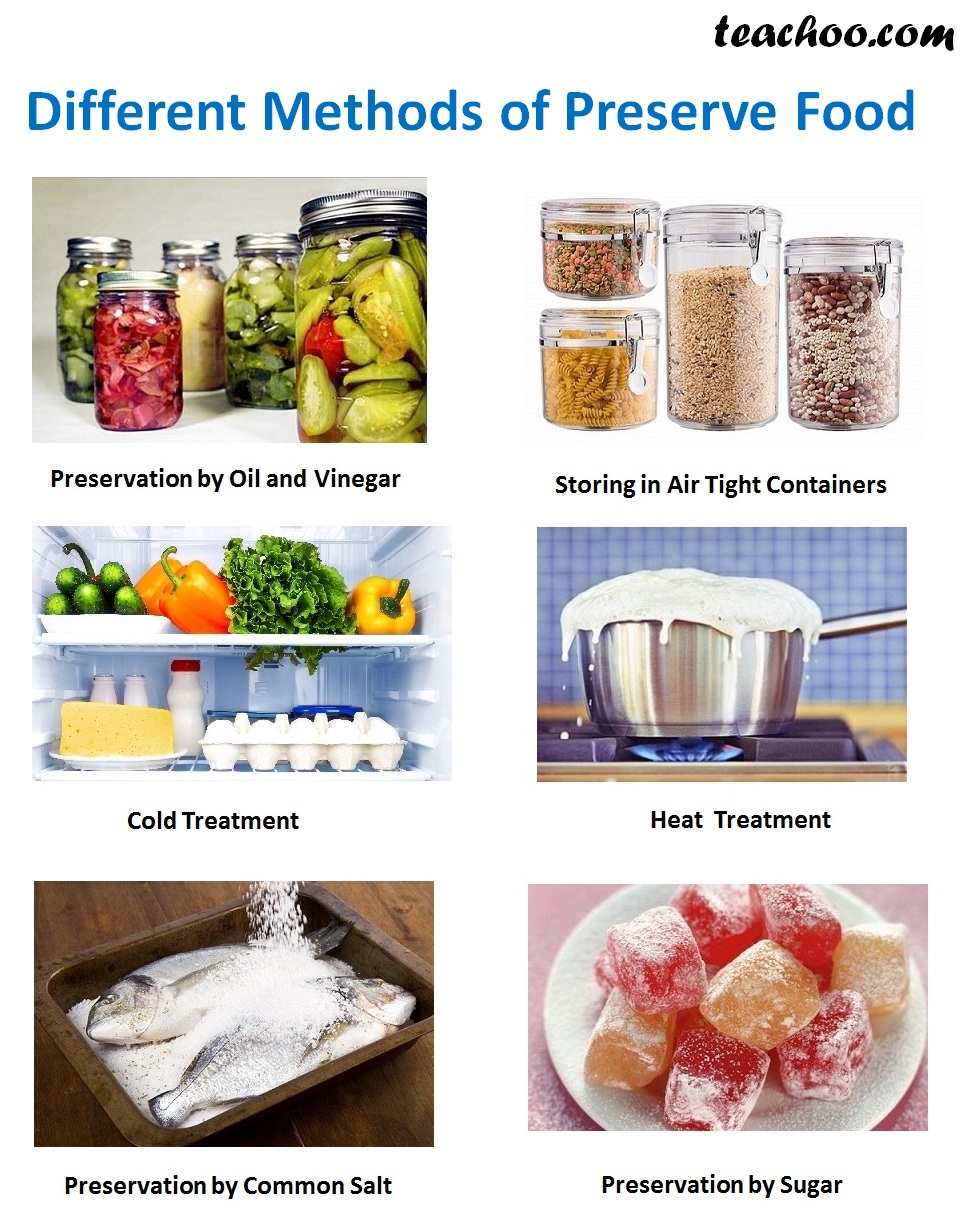
Canning and freezing are two popular methods for preserving food to extend its shelf life and enjoy seasonal produce all year round. Both techniques have been used for centuries as effective ways to store fruits, vegetables, and even meats. In this guide, we will explore the basics of canning and freezing to help you get started on your journey to preserving food at home.
Canning:
Canning is a process that involves sealing food in jars or cans after heat processing them to destroy any microorganisms that could cause spoilage. There are two main methods of canning: water bath canning and pressure canning.
Water bath canning is suitable for high-acid foods like most fruits, pickles, jams, and jellies. The process involves submerging sealed jars in boiling water for a specific amount of time to create a vacuum seal. This method is simple and ideal for beginners.
Pressure canning is necessary for low-acid foods like vegetables, meats, poultry, and seafood. These types of foods require higher temperatures to kill harmful bacteria like Clostridium botulinum. A pressure canner is essential for this method as it allows you to reach temperatures above the boiling point of water.
Before starting the canning process, make sure you have all the necessary equipment including sterilized jars with lids, a large pot with a rack (for water bath canning), or a pressure canner (for pressure canning). Follow tested recipes from reliable sources like the USDA or Ball Canning to ensure safe preservation.
Freezing:
Freezing is another excellent way to preserve food by slowing down enzyme activity and microbial growth. It’s a convenient method that requires minimal equipment compared to canning. Most fruits and vegetables freeze well when properly prepared.
To freeze fruits and vegetables, start by washing them thoroughly and cutting them into desired sizes. Blanching certain produce like broccoli or green beans before freezing helps retain their color, texture, and nutritional value. Once blanched or prepared according to the recipe instructions, pack the items in freezer-safe bags or containers while removing excess air before sealing.
Label each container with the date of freezing so you can keep track of freshness when retrieving items from your freezer later on. It’s also helpful to portion items in quantities that match your typical usage patterns so you only thaw what you need each time.
When it comes time to use frozen fruits or vegetables in recipes or meals throughout the year, simply thaw them overnight in the refrigerator or quickly using microwave defrost settings if needed.
In conclusion:
Both canning and freezing are effective methods for preserving food at home while maintaining taste and nutrients without added preservatives commonly found in store-bought canned goods. Experiment with different recipes based on seasonal availability or personal preferences to build up your pantry with homemade goodies ready whenever you need them.
Remember always follow proper guidelines from trusted resources when preserving food through these methods ensuring safety first!

Leave a Reply