Collagen, often referred to as the body’s building block, plays a crucial role in various aspects of our health. While it is commonly known for its benefits in skin health and anti-aging properties, collagen also has significant impacts on gut health, joint pain relief, hair growth, nail health, muscle recovery, and more.
For individuals looking to improve their gut health, incorporating collagen into their diet can be highly beneficial. Collagen helps support the intestinal barrier and can aid in healing and sealing the gut lining. This can lead to improved digestion and reduced inflammation in the digestive tract.
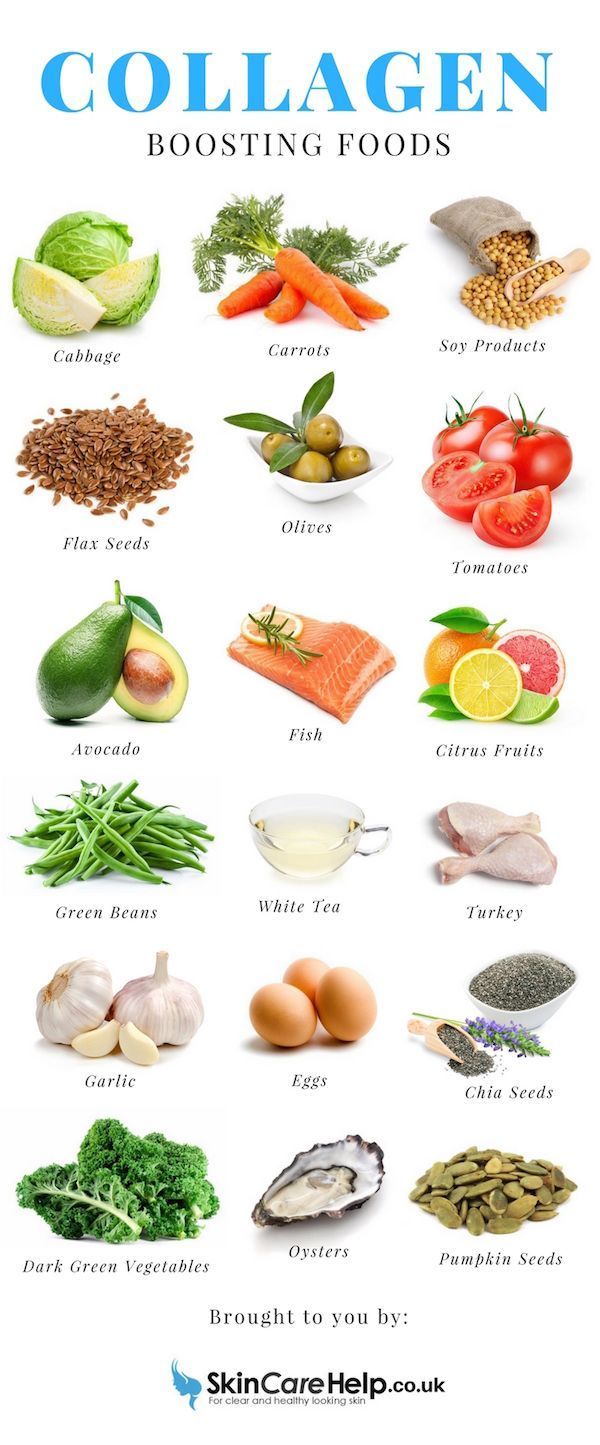
While collagen is commonly found in animal products like bone broth and gelatinous cuts of meat, vegetarians can still reap its benefits by consuming collagen-rich plant-based foods. Some vegetarian-friendly sources of collagen include soy products like tofu and tempeh, legumes such as beans and lentils, nuts like almonds and peanuts, seeds including chia seeds and flaxseeds, as well as fruits like berries and citrus fruits.
For those dealing with joint pain or looking to support their joints’ overall health, collagen supplements can be a game-changer. Collagen supplements help reduce inflammation in the joints and promote cartilage regeneration. They are available in various forms such as powders, capsules, and liquid formulations.
In addition to joint health benefits, collagen supplementation has been linked to improvements in skin elasticity and hydration. The protein helps maintain skin firmness by supporting the structure of connective tissues.
When it comes to incorporating collagen into your daily routine beyond supplements or foods naturally rich in collagen content like bone broth or fish skin (for pescatarians), there are creative ways to enjoy this protein boost through smoothie recipes or DIY face masks. Adding a scoop of collagen powder into your morning smoothie can enhance its nutritional profile while benefiting your hair growth efforts too.
Understanding different types of collagen supplements—such as marine-based options for sustainable sourcing—and how they differ from traditional bovine-derived ones allows consumers to make informed choices based on their dietary preferences or restrictions.
Whether you’re looking to support healthy aging processes or recover faster from workouts through muscle repair assistance thanks to increased collagen intake—be it through food sources or supplemental forms—the versatility of this essential protein makes it a valuable addition to any wellness-focused lifestyle.

Leave a Reply