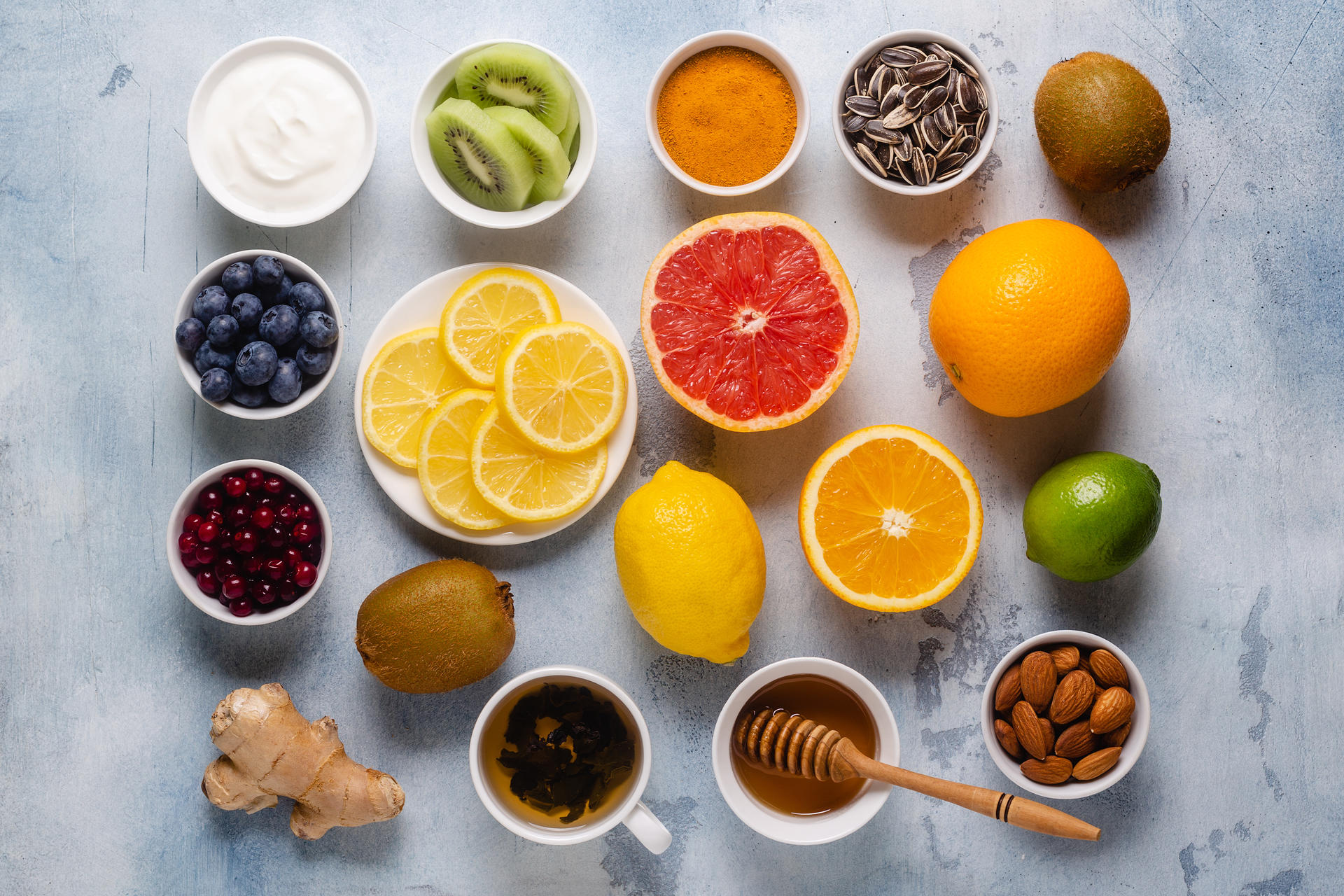
Panel Moderator: Welcome, everyone, to today’s panel discussion on antioxidants. Antioxidants have gained significant attention in the health and wellness world for their potential health benefits. Today, we have a panel of experts who will shed light on what antioxidants are, their importance in our diet, sources of antioxidants, and how they can benefit our overall well-being.
Panelist 1 – Nutritionist:
Antioxidants are compounds that help protect the body from damage caused by harmful molecules known as free radicals. Free radicals can lead to oxidative stress, which is linked to various chronic diseases such as heart disease, cancer, and aging. Antioxidants work by neutralizing these free radicals and reducing their damaging effects on cells and tissues.
Panelist 2 – Doctor:
Including a variety of antioxidant-rich foods in your diet is crucial for maintaining good health. Fruits like berries (such as blueberries, strawberries, and raspberries), vegetables like spinach, kale, and bell peppers, nuts like almonds and walnuts, as well as spices like turmeric and cinnamon are excellent sources of antioxidants. It’s important to consume a diverse range of these foods to ensure you’re getting a wide spectrum of antioxidants.
Panelist 3 – Chef:
As a chef who specializes in creating healthy dishes rich in antioxidants, I always emphasize the importance of incorporating colorful fruits and vegetables into meals. Not only do they add vibrant flavors to dishes but also provide essential nutrients that support overall health. Try experimenting with different cooking methods such as roasting or grilling to enhance the flavors while retaining the antioxidant content of foods.
Panel Moderator:
That’s great advice! Now let’s talk about some specific types of antioxidants that are particularly beneficial for our health. For example, vitamin C is a powerful antioxidant found in citrus fruits like oranges and lemons that supports immune function and skin health. Another important antioxidant is vitamin E which can be found in nuts and seeds; it helps protect cells from oxidative damage.
Panelist 1 – Nutritionist:
In addition to vitamins C and E, other important antioxidants include beta-carotene (found in carrots), selenium (found in Brazil nuts), lycopene (found in tomatoes), flavonoids (found in tea), and resveratrol (found in red grapes). Each type of antioxidant plays a unique role in promoting health by combating inflammation and supporting cellular function.
Panelist 2 – Doctor:
Research suggests that consuming a diet rich in antioxidants may help reduce the risk of chronic diseases such as cardiovascular disease, certain cancers, neurodegenerative disorders like Alzheimer’s disease, and even improve skin health by protecting against UV damage. However,
it’s essential to remember that while antioxidants play an important role in maintaining good health when consumed through whole foods,
taking high-dose antioxidant supplements may not provide the same benefits
and could potentially be harmful if taken excessively.
Panel Moderator:
That’s an important point to consider when thinking about incorporating antioxidants into our diet.
It seems clear that focusing on whole food sources rich
in naturally occurring antioxidants is key.
Now let’s address any myths or misconceptions about
antioxidants you would like clarify.
Panelist 3 – Chef:
One common misconception about antioxidants is that more is always better,
but it’s all about balance.
Consuming excessive amounts
of isolated antioxidant supplements may disrupt the delicate balance within your body
and potentially cause harm rather than benefit.
Another myth I often hear is that all processed foods labeled “antioxidant-rich” are healthy choices.
While some processed products may contain added synthetic forms
of certain vitamins or minerals,
they lack the synergistic effect found
in whole food sources,
which offer a wide array
of beneficial compounds working together.
Panel Moderator:
Thank you for addressing those myths—clearing up misconceptions around this topic helps us make informed decisions about our dietary choices.
Before we wrap up today’s discussion,
do any panelists have any final thoughts or recommendations regarding incorporating
antioxidants into one’s daily intake?
Panelists:
Nutritionist:
I would advise individuals
to focus on eating a rainbow-colored variety
of fruits,
vegetables,
nuts,
seeds,
whole grains,
and spices every day
to ensure they’re getting an ample supply
of different types
of natural plant-based compounds.
Doctor:
I echo those sentiments—creating balanced meals centered around whole foods packed with various types
of naturally occurring
antioxidants should be prioritized over relying solely on supplements.
Chef:
As someone who believes food should both nourish
the body
and delight
the senses,
experimenting with herbs
spices,
fruits,
vegetables
with high-antioxidant properties
can elevate
the culinary experience
while reaping all
the nutritional
benefits.
Panel Moderator:
Excellent advice!
Thank you all for sharing your expertise
and insights
on this crucial topic
Today’s discussion has underscored
the significance
of including
a wide range
Of
Antioxidant-rich options
In one’s diet
To promote optimal
health
And wellbeing.
Remember,
eating well isn’t just about fueling
our bodies—it’s also
about savoring
The vibrant colors
flavors
And textures
that nature provides
through nutrient-dense foods.
We hope
today’s discussion has inspired
you
to take
A closer look
At
Your own dietary habits
And consider
incorporating more
Antioxidant-rich options
Into your daily routine.
Thank you
for joining us
today!

Leave a Reply