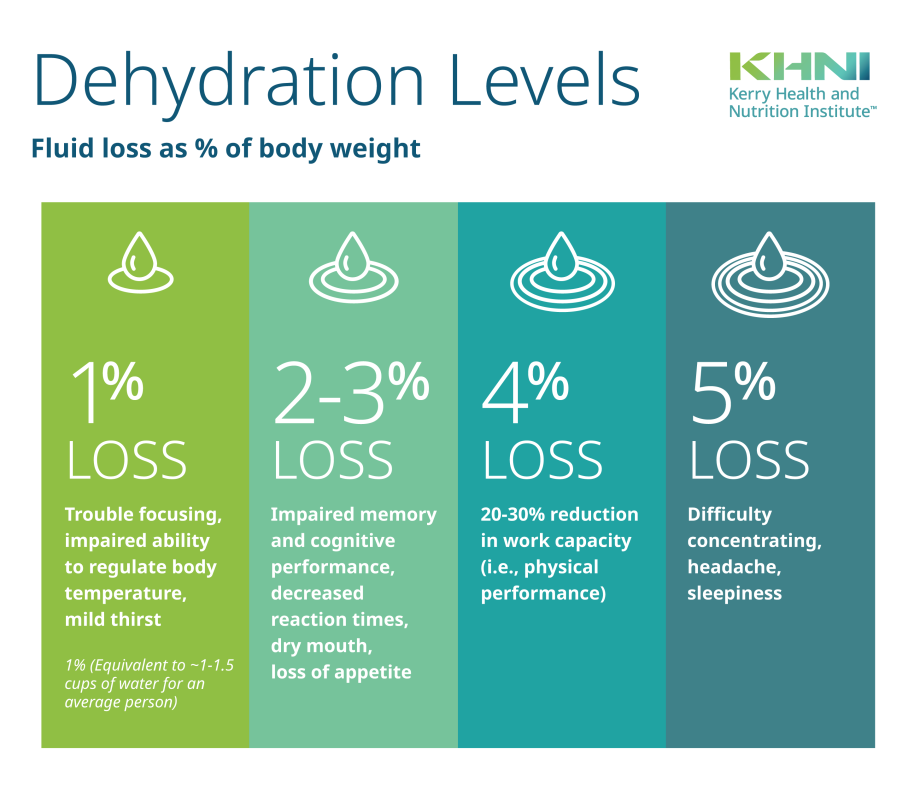
Dehydration can have a significant impact on your financial well-being, affecting various aspects of your life. Here are 15 ways in which dehydration can hit you in the wallet:
1. Decreased work productivity: Dehydration can lead to fatigue, reduced concentration, and impaired cognitive function, ultimately impacting your performance at work. This could result in missed opportunities for promotions or bonuses.
2. Increased healthcare costs: Chronic dehydration may contribute to health issues such as urinary tract infections or kidney stones, leading to frequent doctor visits and medical bills.
3. Loss of income due to sick days: Dehydration weakens the immune system, making you more susceptible to illnesses that could require time off work.
4. Reduced physical performance: If you’re an athlete or fitness enthusiast, dehydration can hinder your training progress and potentially lead to injuries, resulting in costly medical treatments.
5. Higher risk of accidents: Dehydration affects coordination and reaction time, increasing the likelihood of accidents while driving or operating machinery. This could result in repair costs or legal fees.
6. Poor food choices: Thirst is often confused with hunger, leading to unnecessary snacking or meal choices that may not align with your budget or nutritional goals.
7. Impulse shopping: Dehydration can cloud judgment and decision-making skills, potentially leading to impulsive purchases that strain your finances.
8. Increased reliance on convenience foods and beverages: Opting for pre-packaged snacks or sugary drinks when dehydrated can add up expenses over time compared to healthier alternatives like water.
9. Impact on insurance premiums: Health conditions related to chronic dehydration may affect insurance rates, resulting in higher premiums.
10. Skin care costs: Dehydration contributes to premature aging and skin problems, prompting expenditures on skincare products and treatments.
11. Dental expenses: Dry mouth from dehydration increases the risk of cavities and gum disease, translating into additional dental bills for treatment.
12.Energy bills: In hot weather climates where dehydration is common due to excessive sweating without adequate fluid intake , energy costs associated with running air conditioning units continuously might increase significantly
13.Productivity losses at school : For students who are dehydrated during classes , their ability learn efficiently will decrease causing them spend more money on tutoring services .
14.Losses from investments : Making poor decisions due lack mental clarity caused by dehydration leads make bad investment decisions which results loss capital
15.Impact Socializing cost : Lack social engagement from feeling tired dehydrated means miss out events gatherings friends which requires spending money such dinners outings
By staying hydrated through regular water intake and consuming hydrating foods like fruits and vegetables rich in water content,you can avoid these financial pitfalls associated with dehydration . Remember that prevention is key when it comes maintaining both your health finances!

Leave a Reply