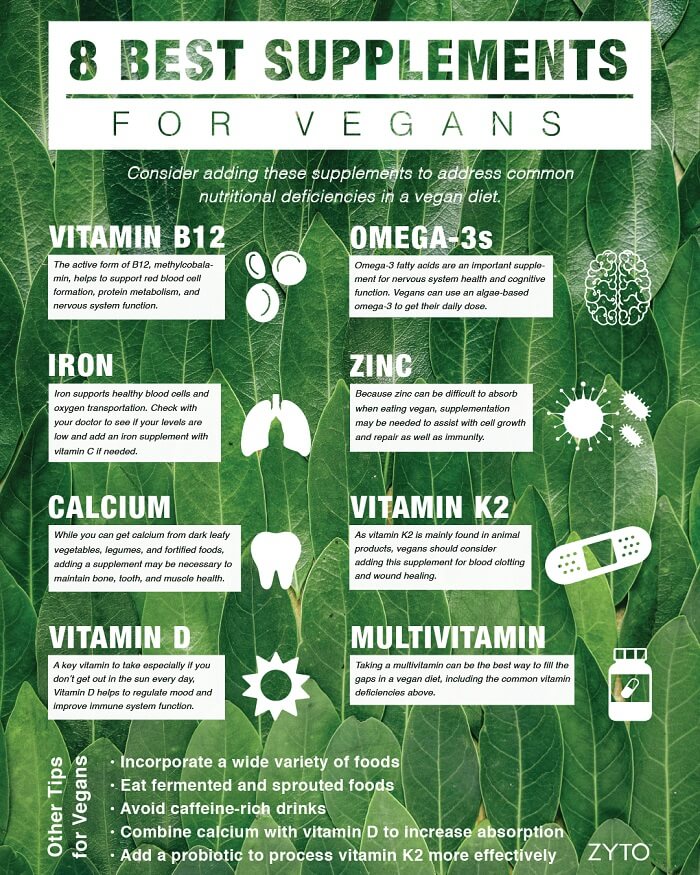
As a vegan, it’s important to ensure you’re getting all the essential nutrients your body needs to thrive. While a well-planned vegan diet can provide many of these nutrients, there are some key vitamins and minerals that may be more challenging to obtain solely from plant-based sources. This is where nutritional supplements for vegans come in.
One of the most crucial supplements for vegans is vitamin B12. This vitamin is primarily found in animal products, so vegans are at a higher risk of deficiency. Vitamin B12 is essential for nerve function, DNA synthesis, and the production of red blood cells. Supplementing with a B12 supplement or consuming foods fortified with B12 can help vegans meet their daily requirements.
Another important nutrient for vegans to consider supplementing with is omega-3 fatty acids, specifically EPA and DHA. While plant-based sources like flaxseeds and walnuts contain ALA (a precursor to EPA and DHA), conversion rates in the body are low. Omega-3 supplements derived from algae offer a vegan-friendly source of these essential fatty acids that support heart health and brain function.
Iron is another nutrient that may require supplementation for some vegans, especially menstruating individuals who have higher iron needs. Plant-based sources of iron include beans, lentils, tofu, and spinach, but the absorption rate of non-heme iron from plants is lower than heme iron from animal products. Pairing iron-rich foods with vitamin C-rich foods can enhance absorption or opting for an iron supplement can help prevent deficiency.
Vitamin D is essential for bone health and immune function but can be challenging to obtain enough from sunlight exposure alone, especially during winter months or if you live in northern latitudes. Vegans should consider taking a vitamin D supplement derived from lichen to ensure they meet their daily needs.
Calcium is another mineral that plays a vital role in bone health and muscle function. While calcium-fortified plant milks and leafy greens like kale can contribute to calcium intake, some vegans may benefit from taking a calcium supplement to meet their requirements.
Probiotics are beneficial bacteria that support gut health and digestion by maintaining a healthy balance of microflora in the gut. Fermented foods like sauerkraut, kimchi, tempeh, and miso are natural sources of probiotics suitable for vegans; however, incorporating a probiotic supplement into your routine can further promote digestive wellness.
In conclusion — while a well-balanced vegan diet rich in fruits,
vegetables
and whole grains provides numerous health benefits,
supplementation
can fill potential gaps ensuring optimal nutrient intake.
Consulting
with
a healthcare provider or registered dietitian before starting any new supplements is recommended
to address individual needs.
Remember,
supplements should complement an already healthy diet rather than serve as substitutes;
they act as insurance policies ensuring you get all your essential nutrients!

Leave a Reply