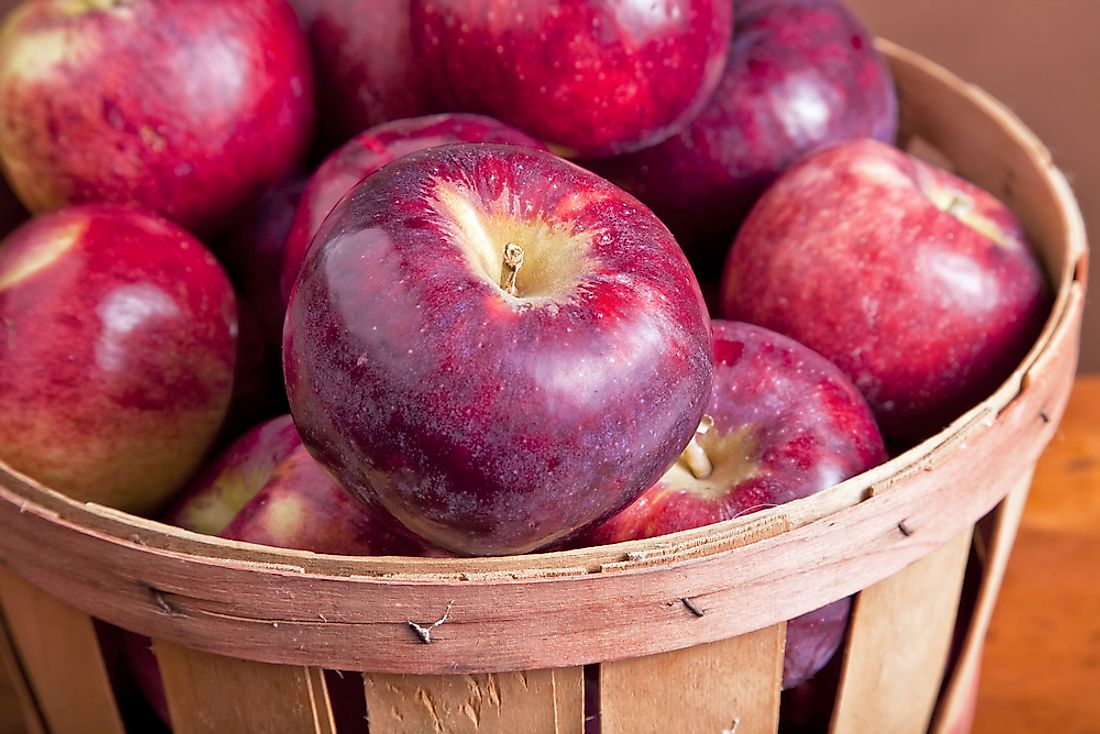
Apples are one of the most popular and versatile fruits enjoyed by people all around the world. They come in a wide variety of colors, sizes, and flavors, making them suitable for various culinary uses as well as for their numerous health benefits.
Different Varieties of Apples and Their Unique Flavors:
There are thousands of apple varieties grown globally, each with its own distinct flavor profile. Some common varieties include Gala apples, known for their sweet taste and crisp texture; Granny Smith apples, which are tart and perfect for baking; Fuji apples, a cross between two Japanese apple varieties offering a sweet and juicy flavor; Honeycrisp apples with a balanced sweet-tart taste and exceptional crunchiness; and Pink Lady apples that have a unique combination of sweetness and acidity. Exploring different apple varieties can add depth to your culinary experiences.
Apple Cider Vinegar Benefits:
Apple cider vinegar is made from fermented apple juice. It is believed to have various health benefits such as aiding digestion, promoting weight loss, regulating blood sugar levels, improving heart health, enhancing skin quality when used topically, and even helping reduce acid reflux symptoms. Incorporating apple cider vinegar into your daily routine can be beneficial for overall well-being.
Baking with Apples Instead of Sugar:
Apples can serve as a natural sweetener in baking recipes due to their inherent sweetness. By using unsweetened applesauce or finely grated apples in place of sugar in baked goods like muffins, cakes, or cookies, you can reduce added sugars while adding moisture and flavor to your treats.
Apple Skin Nutrition Facts:
The skin of an apple contains essential nutrients such as fiber (pectin), antioxidants (quercetin), vitamins (vitamin C), minerals (potassium), and phytonutrients that contribute to overall health benefits. To maximize the nutritional value of apples, consider consuming them with the skin on whenever possible.
Apples in Savory Dishes:
While commonly associated with desserts or snacks, apples also shine in savory dishes. They pair well with meats like pork or chicken in stews or roasts due to their natural sweetness balancing out savory flavors. Adding sliced apples to salads or incorporating them into sauces can elevate the taste profile of your savory creations.
Apple Juice vs Whole Apple Nutrition Comparison:
While both apple juice and whole apples contain essential nutrients like vitamin C and potassium , whole apples offer more fiber content compared to juice since juicing removes much of the fiber found in the fruit. Opting for whole fruits over juices ensures you benefit from the full range of nutrients that apples provide.
Apple Peel Recipes & Uses:
Don’t discard those nutritious peels! Apple peels are packed with antioxidants like quercetin that offer anti-inflammatory properties beneficial for heart health. You can utilize apple peels by drying them to make tea infusions or powdering them for use in spice blends or homemade face masks.
Apples as a Natural Remedy for Heartburn:
Despite being acidic outside the body, some find relief from heartburn symptoms by consuming raw organic apple cider vinegar diluted in water before meals . The alkalizing effect it has once digested may help neutralize stomach acid levels temporarily .
Apples in Beauty Treatments:
The vitamins A , C , E , K present along antioxidants within apply providing benefits skincare . Using DIY face masks incorporating grated apple honey yogurt rejuvenate skin naturally without harsh chemicals additives found commercial products .
Organic vs Conventional Apples: Which Is Better?
Choosing organic apples reduces exposure pesticides synthetic fertilizers conventional farming practices . Organic options less likely contain residues harmful chemicals potentially impacting health long term consumption .
The History Apple Cultivation :
Historical records show cultivated wild crab ancestors modern-day domesticated cultivars grown centuries ago ancient civilizations Mesopotamia Greece Rome . European settlers brought seeds America leading cultivation orchards continent today .
Apples source Fiber Gut Health :
Consuming adequate fiber crucial maintaining healthy gut flora regular bowel movements . Apples rich soluble insoluble fibers promote digestive balance prevent constipation aiding overall gut function
Apple Allergies Sensitivities :
Some individuals allergic specific proteins found certain types fruits including birch pollen syndrome cross-reactivity causing oral allergy syndrome OAS reaction eating raw triggering itching mouth throat seasonal allergies tolerate cooked processed forms
Growing Your Own Apple Tree at Home :
If space permits considering planting dwarf semi-dwarf variety backyard home garden ensure receives sufficient sunlight proper soil drainage watering needs depending climate region potential harvest fresh organic fruits seasonally
Apples Traditional Medicine Practices :
Traditional Chinese Ayurvedic medicine systems utilized healing properties remedies treating ailments ranging digestive issues respiratory disorders believe balancing body energy meridians doshas achieved consuming specific foods herbs like
Apple Seed Toxicity Myths Debunked :
Concerns arise ingesting large amounts crushed seeds cyanide compound amygdalin released enzymatic breakdown human digestive system toxic consumed moderation small numbers pose harm average adult
Low-Calorie Snack Option :
Snacking nutrient-dense low-calorie foods helps maintain healthy weight energy levels throughout day satisfying cravings guilt-free option snacking sliced dipped nut butter makes delicious fulfilling choice
Preserving Apples Through Canning Freezing :
To extend shelf life preserve seasonal bounty consider canning freezing excess produce storage later use making jams jellies chutneys frozen pies ensuring enjoy favorite recipes year-round
Environmental Impact Production : Industrial-scale farming practices pesticides herbicides monoculture negatively impact environment deplete soil degrade water quality contribute pollution choosing sustainably produced locally sourced reduces ecological footprint supports sustainable agriculture practices promoting healthier planet biodiversity
In conclusion , diverse flavorful nutritious versatile fruit offers array culinary medicinal uses exploring utilizing fullest extent enrich lifestyle wellbeing sustainability forefront mind reap benefits wholesome addition diet beauty regimen home garden endeavors

Leave a Reply