Food forests have been gaining popularity in recent years as a sustainable and eco-friendly way to grow food while mimicking the structure of a natural forest. These edible landscapes are not only beneficial for the environment but also provide an abundance of fresh fruits, vegetables, herbs, and nuts for those who tend to them.
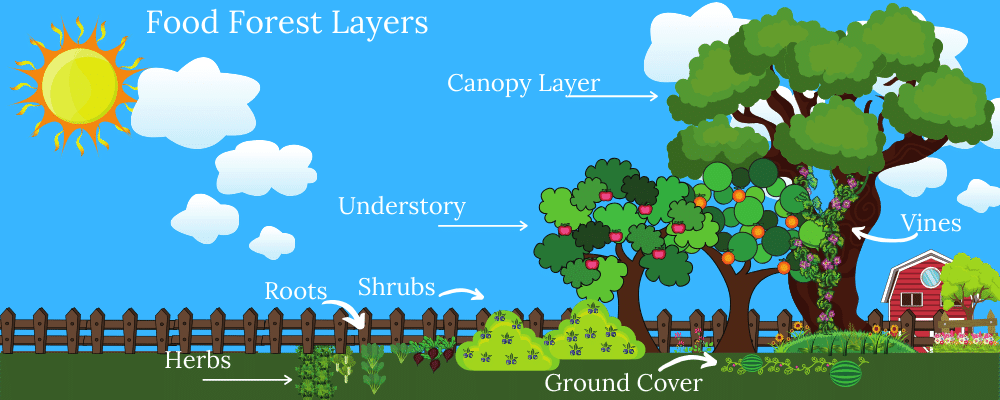
Designing a food forest involves careful planning and consideration of various factors such as climate, soil quality, sunlight exposure, and water availability. Typically, food forests are divided into layers that mimic the structure of a natural forest – from tall canopy trees to low-growing ground covers. Each layer plays a vital role in creating a balanced ecosystem where plants work together to thrive.
The canopy layer consists of large fruit or nut trees like apple, pear, walnut, or chestnut trees that provide shade and protection for the layers below. Below the canopy are sub-canopy trees such as peach or apricot trees that fill in the gaps between larger trees. Shrubs like blueberries, raspberries, or currants make up the next layer providing fruits and attracting pollinators.
Herbaceous plants like mint, basil, or comfrey grow closer to the ground along with root vegetables like carrots or radishes. Vining plants such as grapes or kiwi can be trained to climb on trellises or other structures while fungi like mushrooms play an essential role in breaking down organic matter and enriching the soil.
Maintaining a food forest requires ongoing care and attention to ensure its productivity and health. Regular pruning is necessary to manage growth, improve air circulation, and encourage fruit production. Mulching with organic materials helps retain moisture in the soil while suppressing weeds.
Companion planting is another important aspect of food forest maintenance where certain plant combinations help deter pests or attract beneficial insects for pollination. For example, planting marigolds around fruit trees can repel nematodes while attracting bees for pollination.
Water management is crucial for keeping a food forest thriving especially during dry periods. Installing rainwater harvesting systems or drip irrigation can help conserve water while ensuring that plants receive adequate hydration.
Overall, designing and maintaining a food forest requires time and effort but offers numerous benefits both environmentally and nutritionally. By creating a diverse ecosystem within your backyard or community garden space you can enjoy fresh produce year-round while supporting biodiversity and sustainability practices.

Leave a Reply