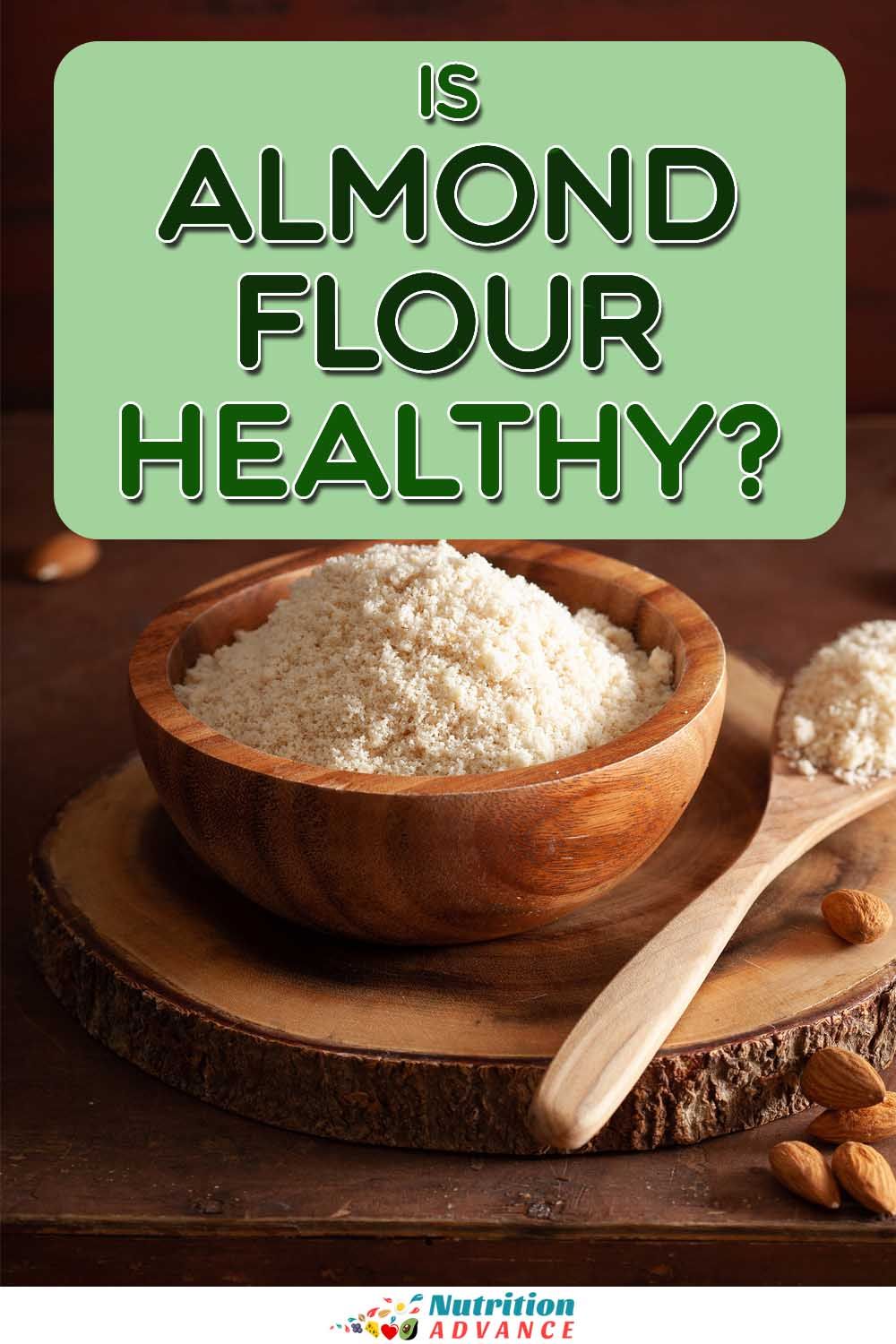
Almond flour has been gaining popularity in recent years as a healthier alternative to white flour. Made from finely ground almonds, this gluten-free and low-carb option offers numerous health benefits compared to traditional white flour. In this article, we will explore the nutritional profile of almond flour, its culinary uses, and the reasons why you may want to consider incorporating it into your diet.
Nutritional Profile of Almond Flour
Almond flour is a nutrient-dense ingredient that provides a variety of essential vitamins and minerals. It is particularly rich in vitamin E, an antioxidant that helps protect cells from damage caused by free radicals. Vitamin E also plays a role in supporting immune function and skin health. Additionally, almond flour contains magnesium, which is important for bone health, muscle function, and energy production.
One of the key advantages of almond flour is its low carbohydrate content compared to white flour. This makes it a suitable option for individuals following low-carb or ketogenic diets. Almond flour is also high in healthy fats, including monounsaturated fats that are beneficial for heart health.
Furthermore, almond flour is an excellent source of protein and fiber. Protein is essential for building and repairing tissues in the body while fiber promotes digestive health and helps maintain stable blood sugar levels.
Culinary Uses of Almond Flour
Almond flour can be used as a versatile ingredient in various recipes ranging from baked goods to savory dishes. Its slightly sweet flavor adds depth to dishes without being overpowering. When substituting almond flour for white flour in recipes, it’s important to note that almond flour does not have the same binding properties as wheat-based flours due to its lack of gluten.
In baking applications such as cakes, cookies, muffins, and pancakes, almond flour can be used on its own or combined with other gluten-free flours like coconut or tapioca flour to achieve the desired texture and consistency. It’s worth noting that because almond flour is denser than white flour, recipes may require adjustments such as additional liquids or binding agents like eggs or xanthan gum.
For coating proteins like chicken or fish before frying or baking, almond flour provides a crispy exterior while keeping dishes gluten-free. It can also be used as a thickening agent in sauces and gravies instead of traditional wheat-based thickeners.
Health Benefits of Using Almond Flour
There are several compelling reasons why choosing almond four over white four can benefit your overall health:
1) Weight Management: The higher protein content in almond four can help promote feelings of fullness and satiety which may aid weight management efforts.
2) Blood Sugar Control: Almond four has a lower glycemic index than white flower which means it causes less significant spikes in blood sugar levels after meals.
3) Heart Health: The healthy fats found in almonds have been associated with improved heart health by helping reduce bad cholesterol levels.
4) Digestive Health: The fiber content in almonds supports digestive regularity which contributes to gut health.
5) Nutrient Density: Almonds are packed with essential nutrients making them more nutritious than refined white flower products.
In conclusion,…
Overall,
Almond four stands out not only for its superior nutrient profile but also for its versatility in cooking applications making it an excellent choice for those looking enhance their culinary creations while prioritizing their health goals.

Leave a Reply