Electrolytes and Hydration: A Comprehensive Guide
Are you looking to understand more about electrolytes and hydration? These essential components play a crucial role in maintaining your body’s overall health. In this comprehensive guide, we will delve into the significance of electrolytes, their functions in the body, how to maintain proper hydration levels, signs of dehydration or electrolyte imbalance, and tips on replenishing electrolytes for optimal well-being.
**What are Electrolytes and Why are They Important?**
Electrolytes are minerals that carry an electric charge when dissolved in water. The most common electrolytes include sodium, potassium, calcium, magnesium, chloride, phosphate, and bicarbonate. These minerals are essential for various bodily functions such as regulating fluid balance, transmitting nerve impulses, contracting muscles (including the heart), and maintaining pH levels.
**Functions of Electrolytes in the Body:**
1. **Sodium:** Regulates fluid balance and blood pressure.
2. **Potassium:** Helps with muscle contractions and nerve signals.
3. **Calcium:** Essential for bone health as well as muscle function.
4. **Magnesium:** Supports muscle function and energy production.
5. **Chloride:** Aids in digestion by forming hydrochloric acid in the stomach.
6. **Phosphate:** Plays a role in energy production within cells.
7. **Bicarbonate:** Helps regulate pH levels within the body.
**Maintaining Proper Hydration Levels:**
Staying properly hydrated is vital for overall health and well-being. Water makes up a significant portion of our bodies and is essential for various physiological processes including temperature regulation, nutrient transportation, waste removal, joint lubrication, and more.
Here are some tips to help you stay adequately hydrated:
– Drink at least 8-10 cups (64-80 ounces) of water per day.
– Monitor your urine color – pale yellow indicates good hydration levels.
– Consume hydrating foods like fruits (e.g., watermelon) and vegetables (e.g., cucumber).
– Avoid excessive intake of dehydrating beverages like alcohol or caffeine.
**Signs of Dehydration or Electrolyte Imbalance:**
Dehydration occurs when your body loses more fluids than it takes in leading to an imbalance of electrolytes which can result from factors such as intense physical activity/sweating or illness causing vomiting or diarrhea.
Common symptoms may include:
– Thirst
– Dark yellow urine
– Dry mouth
– Fatigue
– Dizziness
– Headache
– Muscle cramps
If left untreated severe dehydration can lead to serious complications including heat exhaustion or heatstroke so it’s important to address these symptoms promptly by rehydrating with water plus consuming foods rich in electrolyte minerals if necessary.
**Replenishing Electrolytes:**
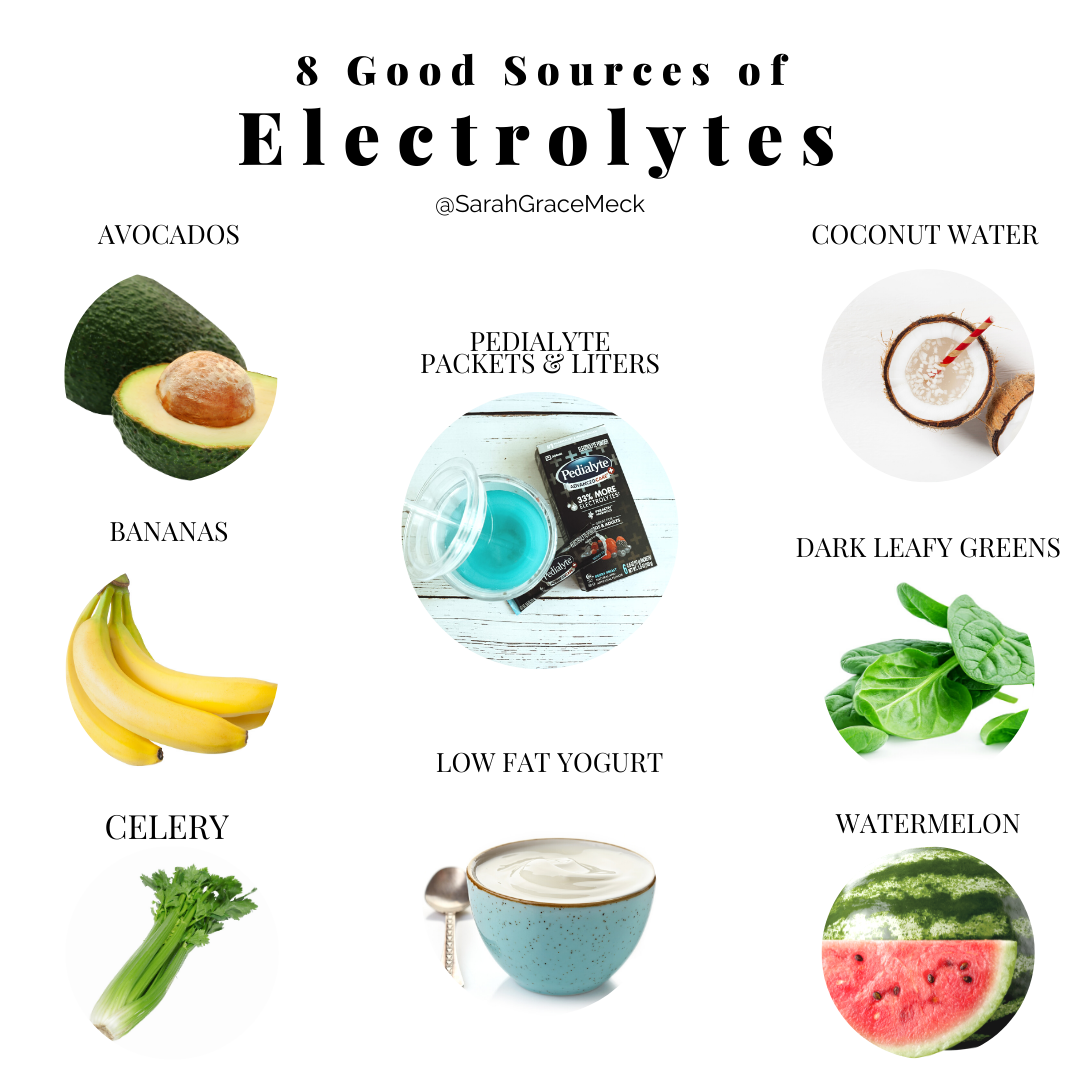
When experiencing dehydration symptoms or after prolonged physical activity one way to help restore balance is through consuming foods rich in key electrolyte minerals:
1. Sodium sources: Pickles olives soups tomato juice soy sauce canned fish/tuna
2 . Potassium sources bananas sweet potatoes leafy greens oranges tomatoes avocado yogurt coconut water
3 . Calcium sources dairy products almonds sardines fortified plant milks tofu
4 . Magnesium sources nuts seeds legumes whole grains leafy green vegetables dark chocolate
Additionally sports drinks may be beneficial due their content but be mindful added sugars/calories artificial ingredients opting lower sugar options consider making homemade versions using natural fruit juice sea salt filtered water .
In conclusion understanding importance maintaining proper hydration levels balancing electrolyte intake critical aspects supporting overall health wellness implementing strategies outlined guide ensure equipped knowledge make informed choices regarding diet lifestyle contribute better being long term .

Leave a Reply