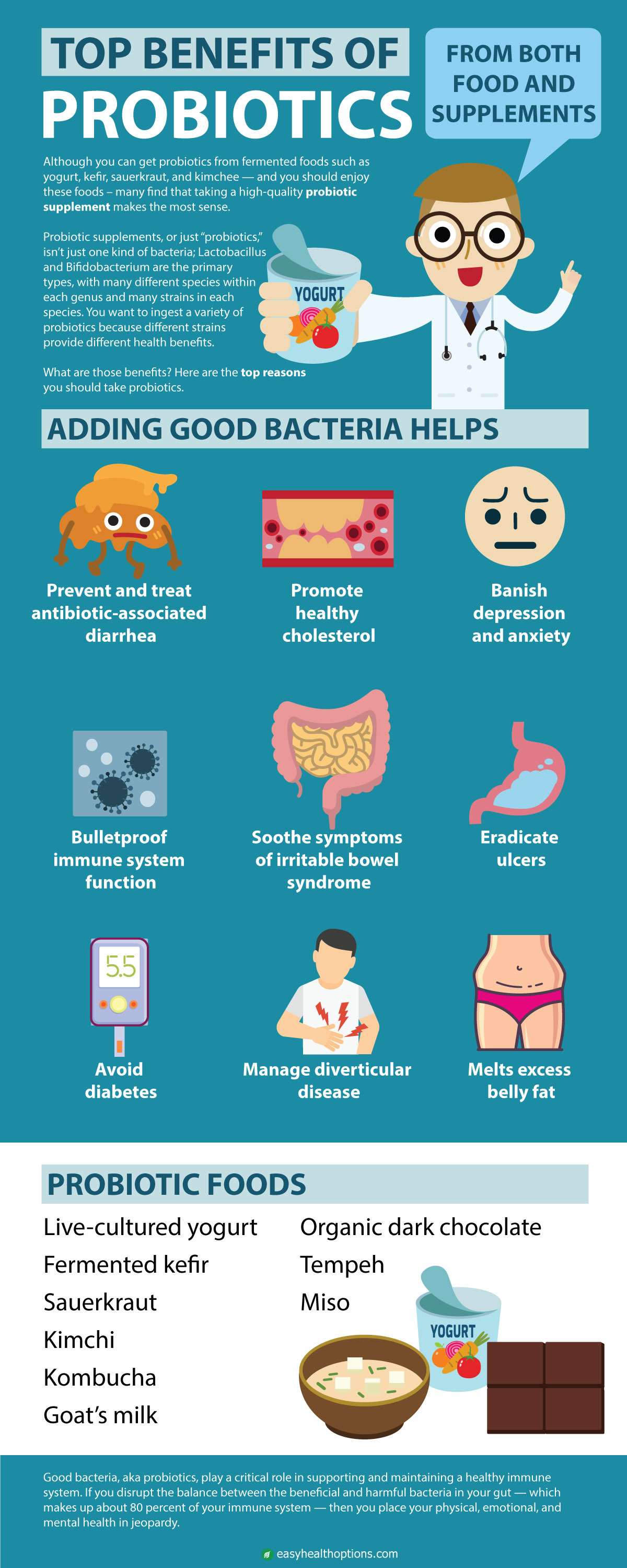
Probiotics have been gaining popularity in recent years for their potential health benefits, particularly when it comes to maintaining good gut health. These live microorganisms are often referred to as “good” or “friendly” bacteria because of their ability to promote a healthy balance of gut flora and support digestion.
Our digestive system is home to trillions of bacteria, both good and bad. When the balance between these two types of bacteria is disrupted, it can lead to various digestive issues such as bloating, gas, constipation, diarrhea, and even more serious conditions like irritable bowel syndrome (IBS) or inflammatory bowel disease (IBD). This is where probiotics come into play by helping restore that balance and improve overall gut health.
Probiotics can be found naturally in certain foods like yogurt, kefir, sauerkraut, kimchi, miso, tempeh, and kombucha. They can also be taken in the form of dietary supplements. The most common types of probiotic bacteria include Lactobacillus and Bifidobacterium species.
One of the key benefits associated with probiotics is their ability to improve digestion. By enhancing the population of beneficial bacteria in the gut microbiome, probiotics can help break down food more efficiently and aid in nutrient absorption. This not only supports overall digestive function but also contributes to better immune health since a significant portion of our immune system resides in the gut.
In addition to promoting healthy digestion and boosting immunity, probiotics have also shown promising results in managing various gastrointestinal conditions. For instance, studies have demonstrated that certain strains of probiotics may be effective in alleviating symptoms associated with conditions like diarrhea (both infectious and antibiotic-associated), irritable bowel syndrome (IBS), ulcerative colitis (UC), Crohn’s disease, and lactose intolerance.
Furthermore, emerging research suggests that there may be a connection between gut health and mental well-being due to the intricate relationship between the gut-brain axis. Some studies indicate that consuming probiotics could potentially have a positive impact on mental health conditions such as anxiety and depression by modulating neurotransmitter levels through interactions with the gut microbiota.
Despite all these potential benefits linked to probiotics consumption; it’s important to note that individual responses may vary based on factors such as age, gender,, diet quality,, lifestyle habits,, genetics,, medical history,,,and overall state of health.. Therefore,,,it’s always advisable;;;to consult with a healthcare professional before starting any new supplement regimen; including probiotics..
When choosing a probiotic supplement,,,,there are several factors you should consider;; including:the type(s)of strains included,the number(titer)of live organisms per dose,(the shelf stability,and whether they are encapsulated or packaged according,to ensure survival past stomach acid…
Moreover,it’s essential,to look for products tested by third-party organizationslike USP,since this ensures quality assurance standards… Additionally;,paying attention,to expiration datesand storage recommendationsis crucial for maintaining viability…
In conclusion;probiotics offer numerous potential benefits for overallhealthwhen incorporated as partofa balanceddietandhealthylifestyle…Whilemore research is neededto fullyunderstandtheir precise mechanismsand therapeutic effects;;existing evidence suggests that theyplayanimportant rolein supportingdigestivehealthimmunitymentalwell-being,andpotentiallyevenotheraspectsofphysicalfunctioning….
By being informed about different strains,dosages,and product qualitiesyoucanmakebetterchoiceswhen selectingaprobioticthatfitsyourneeds….Remember;takingcareofyourgutmeans takingcareofyourwholebody….

Leave a Reply