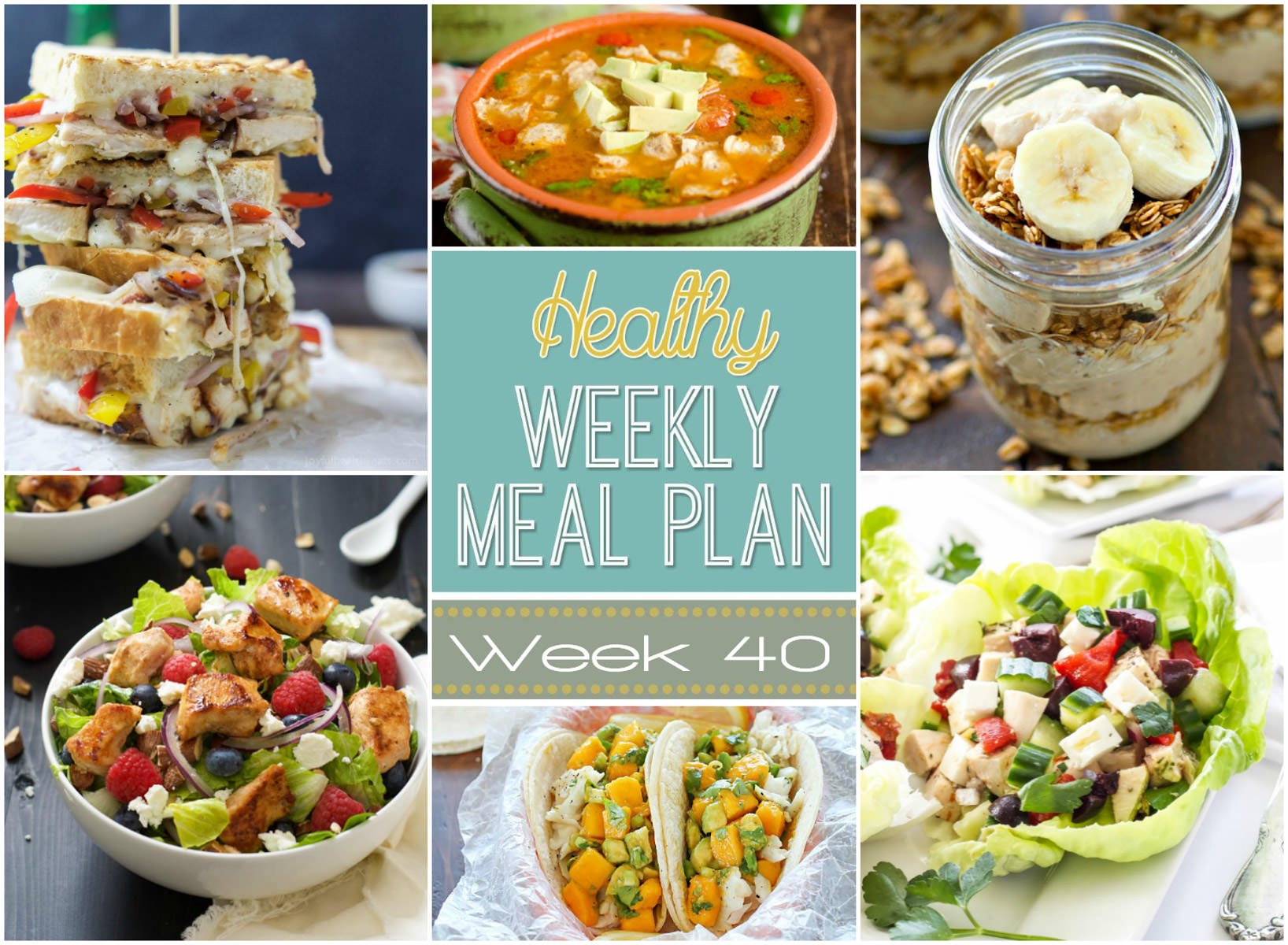
Shopping on a budget doesn’t mean sacrificing your health and well-being. With some planning, smart choices, and a bit of creativity, it’s absolutely possible to eat healthy without breaking the bank.
One of the first steps to successful budget shopping is to plan your meals in advance. By creating a weekly meal plan, you can make a list of exactly what ingredients you need for each meal, which helps prevent impulse buys at the store. Consider incorporating affordable staples like beans, lentils, rice, oats, and frozen vegetables into your meals as they are not only cost-effective but also nutritious.
Shopping in-season is another great way to save money while enjoying fresh produce. Seasonal fruits and vegetables are often cheaper because they are abundant and don’t have to be transported long distances. Visit local farmers’ markets or look for sales at grocery stores to take advantage of seasonal deals.
Buying in bulk can also lead to significant savings over time. Items like grains, nuts, seeds, and dried fruit can be purchased in large quantities at lower prices per unit. Just make sure that you have enough storage space at home so that these items stay fresh until you use them up.
Don’t underestimate the power of coupons and discounts when it comes to saving money on groceries. Look for digital coupons on grocery store websites or apps, sign up for loyalty programs that offer discounts on certain products, or check out couponing websites for additional savings opportunities.
Another tip for budget shopping is to compare prices across different stores before making a purchase. Prices can vary significantly between retailers so taking the time to shop around can help you find the best deals on the items you need.
Consider buying generic or store-brand products instead of name brands as they tend to be cheaper without compromising quality. Many store-brand items are produced by larger manufacturers with similar ingredients as their branded counterparts but come at a lower price point.
Meal prepping is an excellent strategy for budget-conscious individuals who want to save both time and money during the week. By preparing meals in advance and portioning them out into containers, you can avoid expensive last-minute takeout options when hunger strikes.
Lastly, don’t forget about utilizing leftovers creatively! Instead of letting excess food go bad in your fridge, repurpose leftovers into new dishes or incorporate them into future meals. This not only reduces waste but also saves you money by maximizing every ingredient’s potential.
In conclusion¸ shopping on a budget doesn’t have to mean sacrificing nutrition or flavor; with careful planning and savvy strategies outlined above; eating healthy remains achievable even when funds are tight.

Leave a Reply