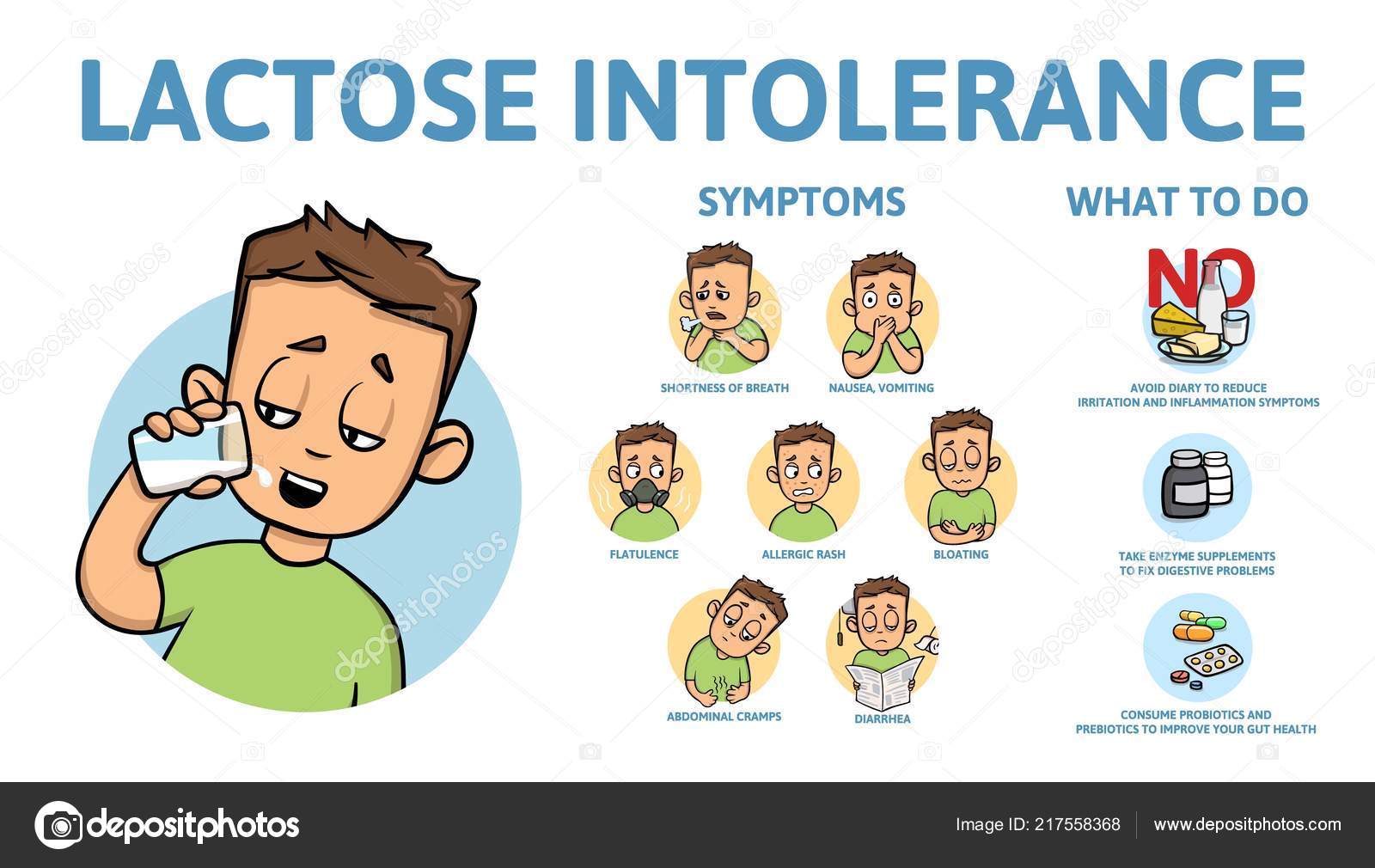
Lactose intolerance is a condition that affects millions of people worldwide, yet it often goes undiagnosed or misunderstood. It is essential to have a clear understanding of lactose intolerance, its symptoms, diagnosis, and management to maintain good health while avoiding discomfort and potential complications.
Firstly, let’s discuss what lactose intolerance actually is. Lactose is a sugar found in dairy products like milk and cheese. Normally, the body produces an enzyme called lactase that breaks down lactose into simpler sugars for easier absorption. However, individuals with lactose intolerance have insufficient levels of lactase, leading to difficulty digesting lactose effectively.
The most common symptoms of lactose intolerance include bloating, gas, diarrhea, and stomach cramps after consuming dairy products. These symptoms can vary in severity depending on the individual’s level of lactase deficiency. Some may experience mild discomfort while others may face more significant challenges.
If you suspect you may be lactose intolerant based on your symptoms after consuming dairy products, it is crucial to seek medical advice for proper diagnosis. A healthcare provider may conduct tests such as a hydrogen breath test or a blood sugar test to confirm the presence of lactose intolerance.
Once diagnosed with lactose intolerance, managing your condition involves making dietary adjustments rather than completely eliminating dairy from your diet (unless advised by a healthcare professional). Many individuals with lactose intolerance can still enjoy certain dairy products by opting for those that are low in lactose or taking over-the-counter enzyme supplements before consuming foods containing lactose.
Some dairy products naturally contain lower levels of lactose than others. For example, hard cheeses like cheddar or parmesan tend to have less lactose due to the fermentation process breaking down much of the sugar content. Additionally, yogurt with live cultures can sometimes be better tolerated as these cultures help digest some of the remaining lactose.
For those who need alternatives to traditional dairy products altogether due to severe reactions or other dietary preferences like veganism – there are numerous plant-based options available today made from almonds, soybeans, coconuts among others which provide similar nutritional benefits without causing digestive distress linked with their animal-derived counterparts
Ultimately if you suspect you might be experiencing symptoms related to possible Lactase deficiency then seeking guidance from trained professionals should always be your first step towards finding relief through appropriate treatment measures tailored specifically around individual needs – ensuring both physical comfort alongside overall wellbeing being maintained at optimal levels throughout daily life routines while navigating food choices accordingly

Leave a Reply