In today’s world, where sustainability and health-conscious choices are becoming increasingly important, many people are turning to pescatarian diets as a way to enjoy the benefits of seafood while also prioritizing environmental concerns. From the vast array of seaweed varieties to lesser-known fish species and sustainable fishing practices, there is a wealth of information available for those looking to make informed decisions about their seafood consumption.
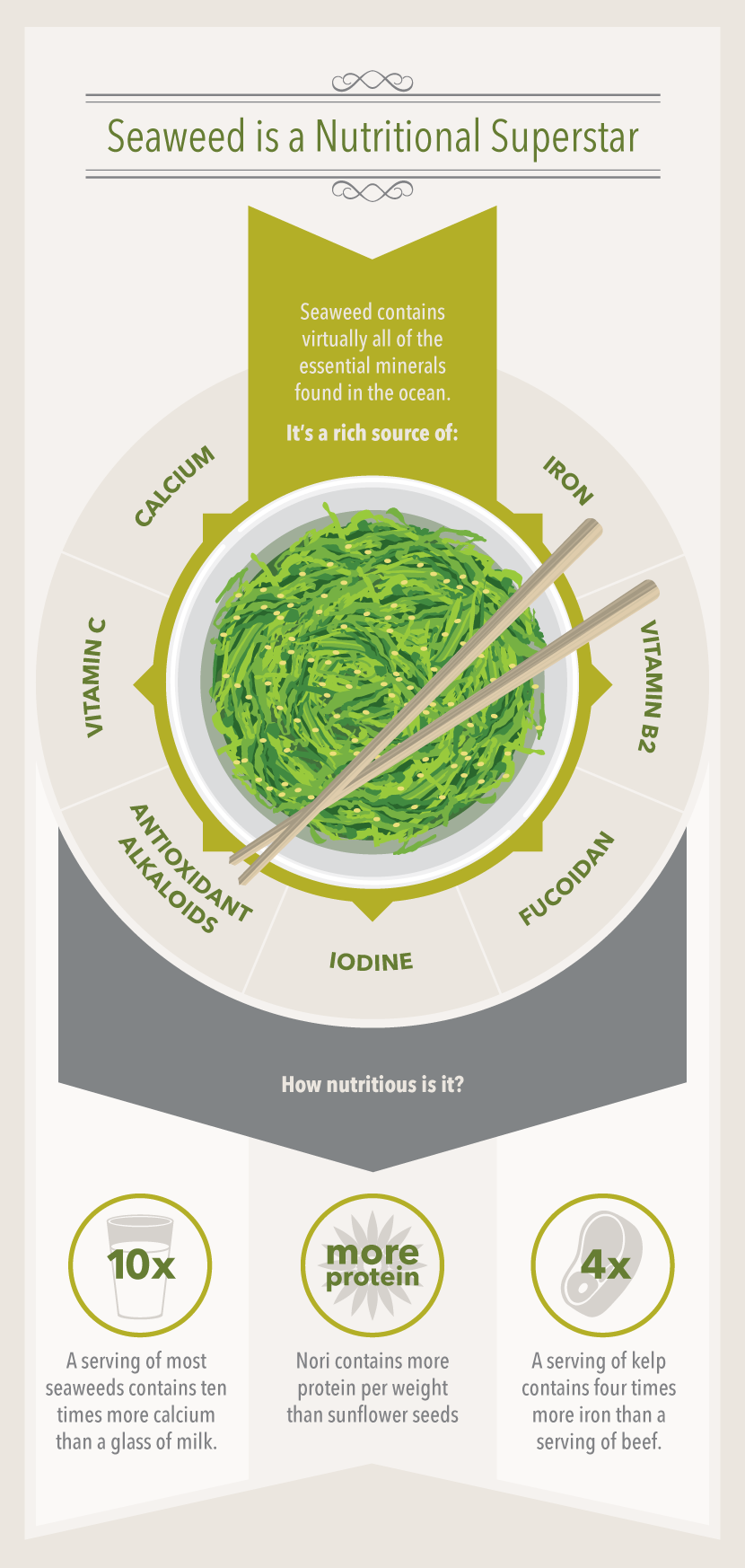
Let’s start with seaweed, a versatile ingredient that has been gaining popularity in recent years due to its unique flavors and impressive nutritional profile. Seaweed comes in various types such as nori, dulse, kelp, and wakame, each offering different textures and flavors. These marine vegetables are rich in vitamins, minerals, and antioxidants, making them an excellent addition to any pescatarian diet. Seaweed can be used in salads, soups, sushi rolls or even as a snack on its own.
When it comes to sustainable fishing practices, consumers should look for certifications such as Marine Stewardship Council (MSC) or Aquaculture Stewardship Council (ASC) labels on seafood products. These certifications ensure that the seafood was sourced using environmentally responsible methods that minimize impact on ocean ecosystems.
Mercury levels in seafood have been a concern for some consumers, particularly pregnant women and young children who are more vulnerable to mercury toxicity. To reduce exposure to mercury while still enjoying the benefits of omega-3 fatty acids found in fish, individuals can opt for low-mercury options such as wild-caught salmon, sardines, anchovies, trout or shrimp.
Speaking of omega-3 sources other than fish – plant-based alternatives like chia seeds, flaxseeds and walnuts are excellent sources of alpha-linolenic acid (ALA), which can be converted into EPA and DHA by the body. Algal oil supplements derived from microalgae are also available for those looking for vegan-friendly omega-3 options.
For pescatarians looking to increase their protein intake without relying solely on fish – plant-based protein sources like lentils, chickpeas, quinoa and tofu can be incorporated into meals alongside seafood dishes.
Fermented seafood dishes offer unique flavors and textures while providing gut-friendly probiotics that support digestive health. Examples include Korean kimchi made with fermented shrimp or Japanese narezushi made with fermented mackerel.
Shellfish allergies affect many individuals but there are alternatives available such as hearts of palm or artichokes which can mimic the texture of certain shellfish varieties when cooked properly.
Exploring lesser-known fish species is not only exciting but also beneficial for promoting biodiversity within our oceans. Fish like branzino (European seabass), Arctic char or barramundi offer delicious flavors with sustainable sourcing practices compared to more commonly consumed species like tuna or salmon.
Pescatarian meal prep tips include batch-cooking grains like quinoa or brown rice ahead of time along with marinating fish fillets in advance for quick weeknight dinners. Utilizing frozen fruits and vegetables can save time without sacrificing nutrition when planning meals around seafood dishes.
Seafood farming methods vary widely depending on the type of aquaculture system used – from open-net pens in oceans or lakes to closed-loop recirculating tanks on land. Consumers interested in supporting sustainable aquaculture should look for certifications like Best Aquaculture Practices (BAP) or Global G.A.P., which ensure adherence to strict environmental standards.
A seasonal seafood guide can help consumers choose locally sourced ingredients at their peak freshness throughout the year – from soft-shell crabs in springtime to oysters during colder months when they’re most abundant.
Incorporating seaweed into recipes adds umami flavor profiles along with essential nutrients like iodine which supports thyroid function. Try adding dried nori strips as garnish over salads or blending kombu into broths for added depth of flavor.
Anchovies and sardines may be small but they pack a powerful nutritional punch with high amounts of omega-3 fatty acids EPA & DHA along with calcium & vitamin D essential for bone health. Enjoy these nutrient-dense fish varieties grilled whole with lemon juice or mashed into spreads atop crostini breads
Seafood sustainability certifications provide assurance that fisheries adhere to responsible harvesting practices minimizing impact on marine ecosystems—look out MSC logo ensures traceable supply chains meeting high industry standards protecting aquatic habitats preservation efforts
Low mercury fish options include rainbow trout catfish tilapia herring scallops clams mussels farmed oysters safe choices pregnancy children avoid high predatory swordfish shark king mackerel tilefish limit consumption prevent adverse effects nervous system development fetal growth
Pescatarian pantry staples should include olive oil vinegars spices canned beans nuts seeds whole grains coconut milk tomato paste vegetable broth soy sauce gluten-free tamari condiments build flavorful meals around fresh produce proteins healthy fats staying well-stocked kitchen essentials
Nutritional differences between types fishes vary significantly based fat content protein levels vitamin mineral profiles—fatty cold-water salmon provides heart-healthy omega 3s lean white cod offers versatile lean source proteins compare contrast choosing diverse range tastes textures menu variety
Seafood preservation techniques extend shelf life maintain quality freshness freezing vacuum-sealing smoking curing pickling fermenting storing perishable items safely refrigerator preventing spoilage contamination optimize storage conditions retain optimal taste texture aroma longer periods time preparing future culinary creations

Leave a Reply