Korean cuisine is not only delicious but also known for its health benefits. With a focus on fresh ingredients, balanced flavors, and nutrient-dense dishes, Korean recipes offer a variety of options that can easily be incorporated into a healthy eating lifestyle.
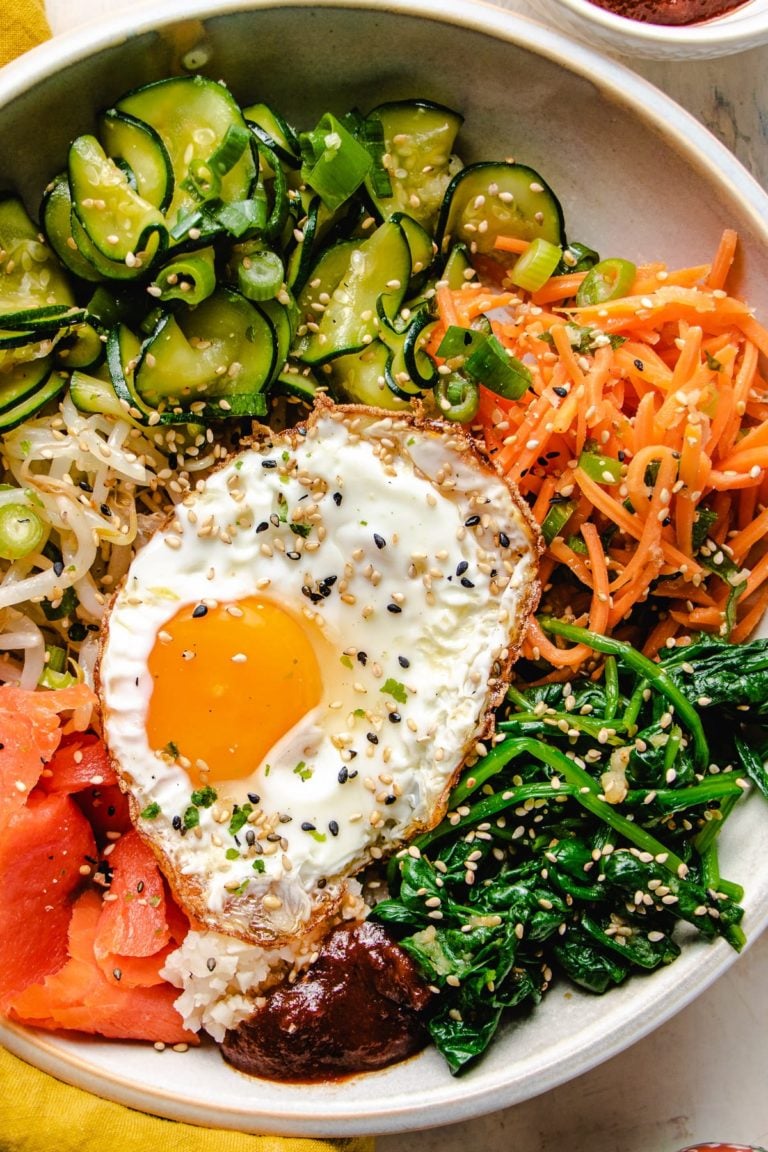
One popular Korean dish that has gained international recognition is Bibimbap. This colorful and nutritious meal consists of a bowl of rice topped with an assortment of vegetables such as spinach, carrots, mushrooms, zucchini, and bean sprouts. It is often garnished with a protein source like beef or tofu and crowned with a fried egg. The key to making Bibimbap healthy is the balance of colors and nutrients from different vegetables, along with the use of minimal oil for cooking.
Another staple in Korean cuisine is Kimchi. This fermented side dish made from salted and seasoned vegetables like napa cabbage and radishes is not only packed with probiotics but also rich in vitamins A and C. The spicy and tangy flavor adds an extra kick to any meal while aiding digestion and promoting gut health.
For those looking for a comforting soup option, look no further than Doenjang Jjigae. This traditional Korean soybean paste stew features tofu, mushrooms, zucchini, onions, garlic, and sometimes seafood or meat boiled together in a savory broth. By using high-quality soybean paste without added sugars or preservatives, this hearty stew provides plant-based protein along with essential amino acids.
Korean BBQ offers another flavorful option for those seeking healthy yet satisfying meals. Grilled meats like bulgogi (marinated beef) or dak-galbi (spicy grilled chicken) can be paired with lettuce leaves for wrapping along with various banchan (side dishes) such as pickled vegetables or steamed greens. Opting for lean cuts of meat and controlling portion sizes can make this dining experience both enjoyable and nutritious.
When it comes to snacks or appetizers, Tteokbokki stands out as a popular choice among Koreans. These chewy rice cakes are simmered in a spicy-sweet sauce made from gochujang (fermented chili paste), soy sauce, garlic, sugar, and sesame oil. Adding vegetables like carrots or bell peppers to the mix increases the fiber content while keeping the dish low in fat.
In conclusion,
Korean cuisine offers a wide array of flavorful dishes that can easily fit into a healthy eating plan when prepared mindfully using fresh ingredients cooked in moderation.” Whether you’re craving something light like Bibimbap or seeking comfort through Doenjang Jjigae’s hearty goodness — there’s something for every palate within this vibrant culinary tradition.

Leave a Reply