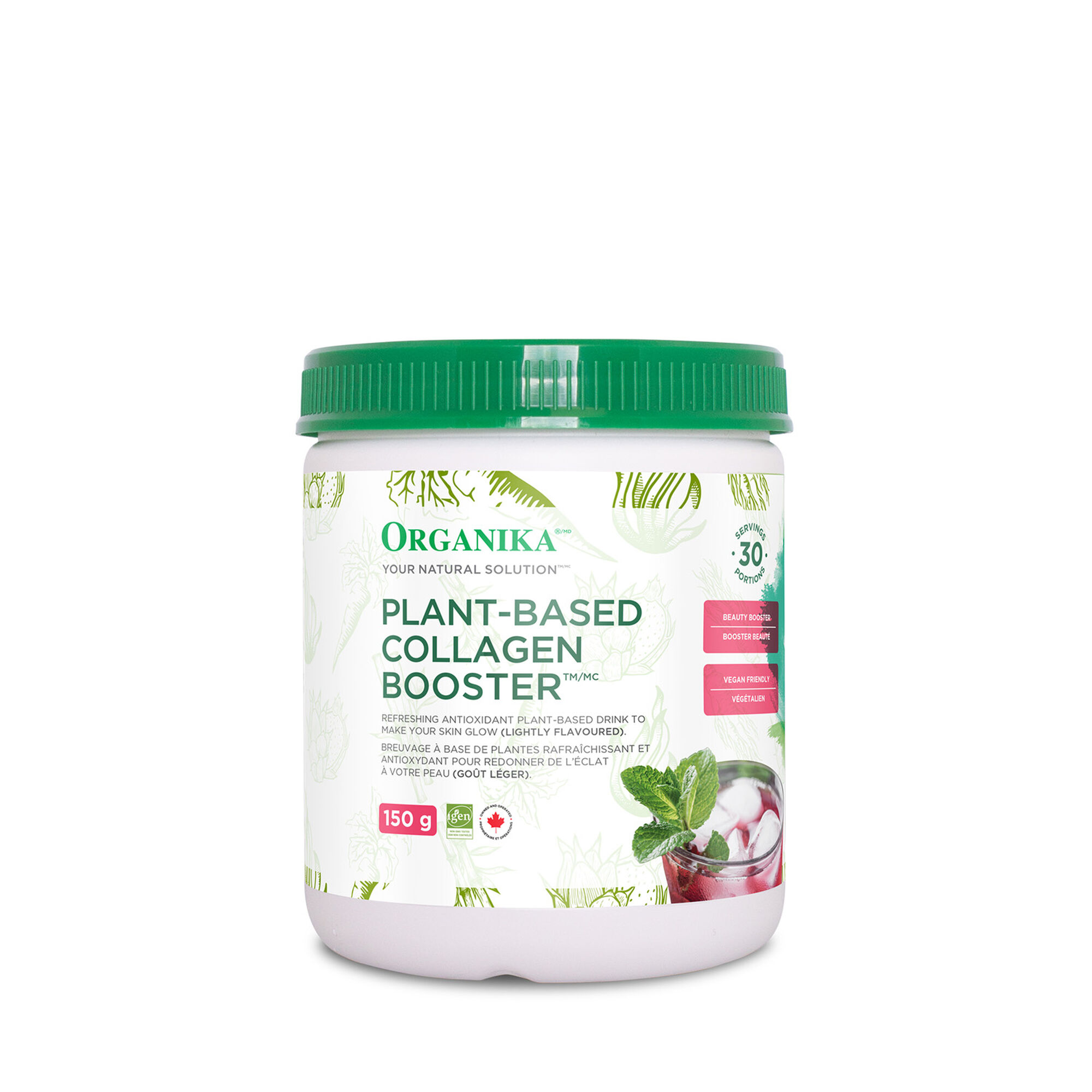
Collagen supplements have gained popularity in recent years for their potential benefits in promoting skin elasticity, joint health, and overall well-being. However, for vegetarians looking to incorporate collagen into their diet, traditional sources like bone broth are not an option. Thankfully, there are plant-based alternatives available that can help boost collagen levels.
One popular option for vegetarians is plant-based collagen supplements made from ingredients like algae or fruits rich in Vitamin C, which plays a crucial role in collagen synthesis. These supplements can provide the body with the building blocks it needs to produce collagen naturally.
In Asian cuisine, collagen-rich foods have long been prized for their purported health benefits. Traditional dishes such as bone broth soups and stews often contain high levels of collagen derived from animal bones and connective tissues. For those following a vegetarian diet, Asian cuisines offer a variety of plant-based options like seaweed, tofu, and mushrooms that can support collagen production.
For picky eaters who may be hesitant to try new foods rich in collagen, incorporating familiar ingredients into meals can be a great way to sneak in these essential nutrients. Foods like berries, nuts, seeds, and leafy greens are not only packed with vitamins and minerals but also support healthy collagen production.
Gut health is another area where collagen plays a significant role. Collagen helps maintain the integrity of the intestinal lining and supports digestive function. Including gut-friendly foods like fermented vegetables and probiotic-rich yogurt in your diet can further enhance the benefits of collagen on gut health.
While desserts and sweets may not seem like obvious sources of collagen, certain treats can still offer some benefits. Gelatin-based desserts like homemade fruit gummies or chia seed pudding contain natural forms of collagen that can contribute to healthier skin and joints.
In Mediterranean diets known for their emphasis on fresh fruits and vegetables, seafood, olive oil, and whole grains – there are various sources of nutrients that promote natural collagen production. Foods such as tomatoes (rich in Vitamin C), olives (containing Vitamin E), fish (high in Omega-3 fatty acids), nuts (a source of zinc), and whole grains all play a role in supporting healthy skin elasticity through boosting internal collagen production.
Plant-based protein powders have become increasingly popular among vegetarians looking to supplement their diets with essential amino acids found in traditional sources of protein like meat or dairy products without compromising on nutritional quality or taste profiles.

Leave a Reply