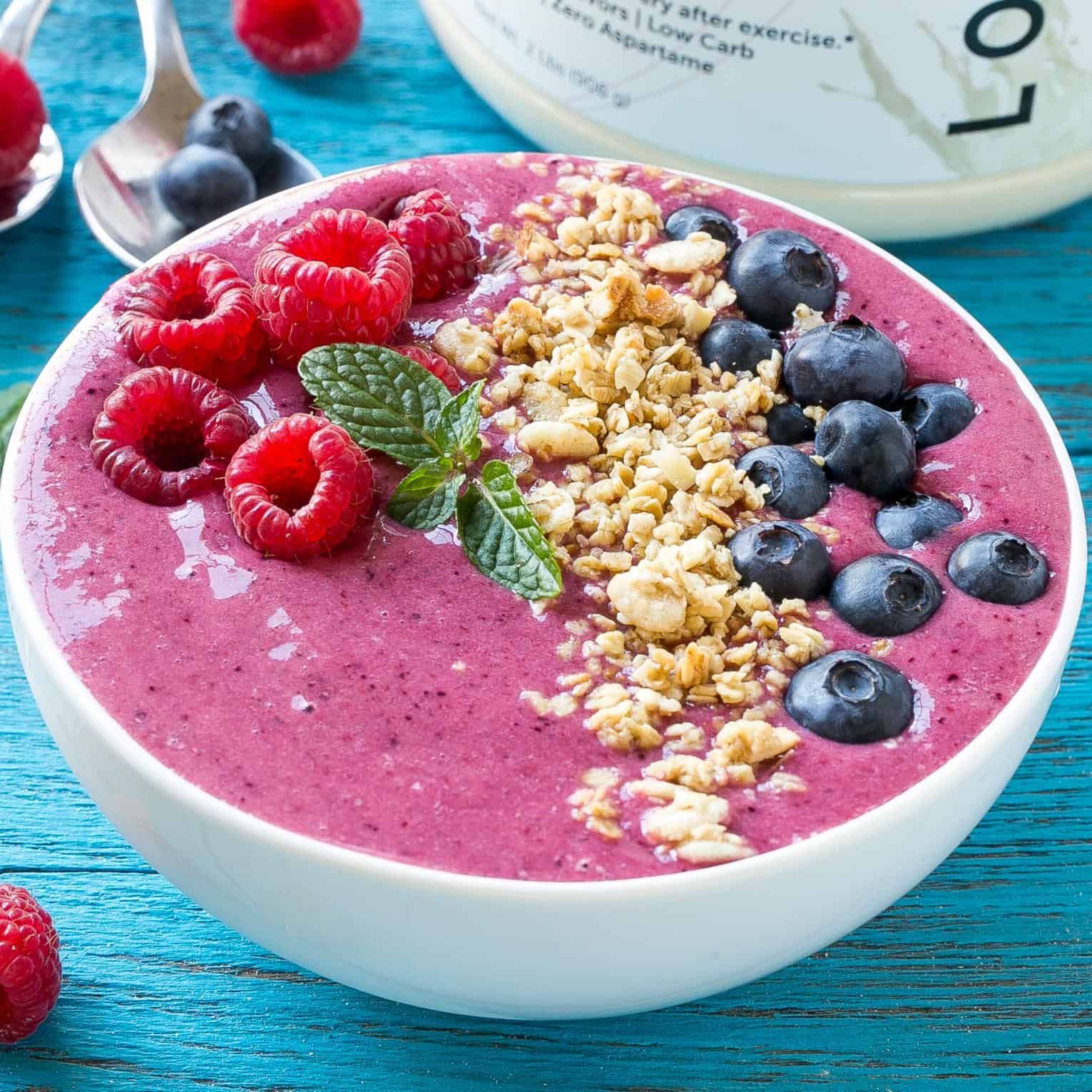
Smoothie bowls with unique toppings have become increasingly popular as a delicious and visually appealing way to enjoy a nutritious meal or snack. These bowls are typically made by blending together fruits, vegetables, and other healthy ingredients until smooth, then topping them with a variety of textures and flavors for added interest.
When it comes to smoothies for gut health, incorporating ingredients like yogurt, kefir, kombucha, and fiber-rich fruits like berries and bananas can help promote good digestion and support the growth of beneficial gut bacteria. Adding probiotics or prebiotics to your smoothie can also be beneficial for maintaining a healthy gut microbiome.
For those looking for pre and post-workout fuel, smoothies packed with protein from sources like Greek yogurt, nut butter, chia seeds, or hemp hearts can help support muscle recovery and energy levels. Adding carbohydrates from fruits or oats can also provide quick energy before a workout.
To achieve glowing skin from the inside out, consider adding ingredients rich in antioxidants such as berries, spinach, avocado, or nuts to your smoothies. These nutrients can help protect your skin from damage caused by free radicals and promote a healthy complexion.
If you’re trying to sneak more veggies into your diet without sacrificing taste, consider blending leafy greens like spinach or kale into fruit-based smoothies. You can also add vegetables like zucchini or cauliflower for extra nutrients without altering the flavor significantly.
For better sleep support through nutrition, try incorporating ingredients high in magnesium such as almonds, pumpkin seeds, or dark leafy greens into your bedtime smoothie. Magnesium is known to help relax muscles and promote restful sleep.
Boosting immune support through smoothies is easy when including vitamin C-rich fruits like oranges or kiwi along with immune-boosting herbs like ginger or turmeric. These ingredients can help strengthen your immune system and keep illness at bay.
Superfoods are nutrient powerhouses that can easily be incorporated into smoothie recipes. Ingredients like chia seeds (high in omega-3 fatty acids), maca powder (adaptogen), spirulina (protein-rich algae), or cacao (antioxidant-rich) can elevate the nutritional value of your smoothie.
Low-sugar options are essential for those watching their sugar intake but still craving something sweet. Opt for naturally sweet fruits like berries or bananas instead of added sugars in your recipes. You could also use stevia or monk fruit sweetener as alternatives.
Savory smoothies offer a different take on traditional sweet versions by incorporating vegetables like tomatoes, cucumbers, bell peppers along with herbs and spices for flavor depth. Try adding avocado for creaminess instead of banana in savory blends.
Hormonal balance can be supported through nutrition by including ingredients rich in omega-3 fatty acids (flaxseed), fiber (whole grains), adaptogens (maca root), cruciferous veggies (broccoli), etc., which all play roles in hormone regulation.
Seasonal produce adds freshness to any recipe; think pumpkin spice in fall using pumpkin puree; mangoes & pineapple during summer months; cranberries & pomegranate during winter – get creative!
Inflammation-reducing spices such as turmeric with its active compound curcumin have potent anti-inflammatory properties ideal for incorporating into daily meals – try pairing it with pineapple & coconut milk!
Nut-free options cater well to allergies: swap almond milk out for oat milk; replace peanut butter with sunflower seed butter; opt-out walnuts/nuts altogether while maintaining flavor profiles!
Brain health-focused blends include blueberries rich in antioxidants linked to improved brain function; MCT oil derived from coconuts that may enhance mental clarity & focus when used consistently – great additions here!
DIY packs streamline busy mornings: prep bags filled with frozen fruits/veggies ready-to-blend alongside favorite liquid base – saves time while ensuring nutrient-dense choices throughout the week!
Protein-packed recipes sans powders involve natural sources such as Greek yogurt’s probiotic benefits coupled with hemp hearts’ complete amino acid profile making them excellent post-workout choices too!
Budget-friendly finds include frozen produce which often retains same nutritional content compared fresh counterparts at fraction cost – think bagged spinach over fresh bunches saving money here!
Hydration-focused mixes feature hydrating bases i.e., coconut water offering electrolytes crucial keeping fluid balance optimal especially after intense workouts hot days – pair this base cucumber/mint refreshing twist!
Anti-inflammatory spice-infused creations starring cinnamon aiding blood sugar regulation inflammation reduction paired banana/oats make satisfying breakfast choice promoting wellness across board!

Leave a Reply