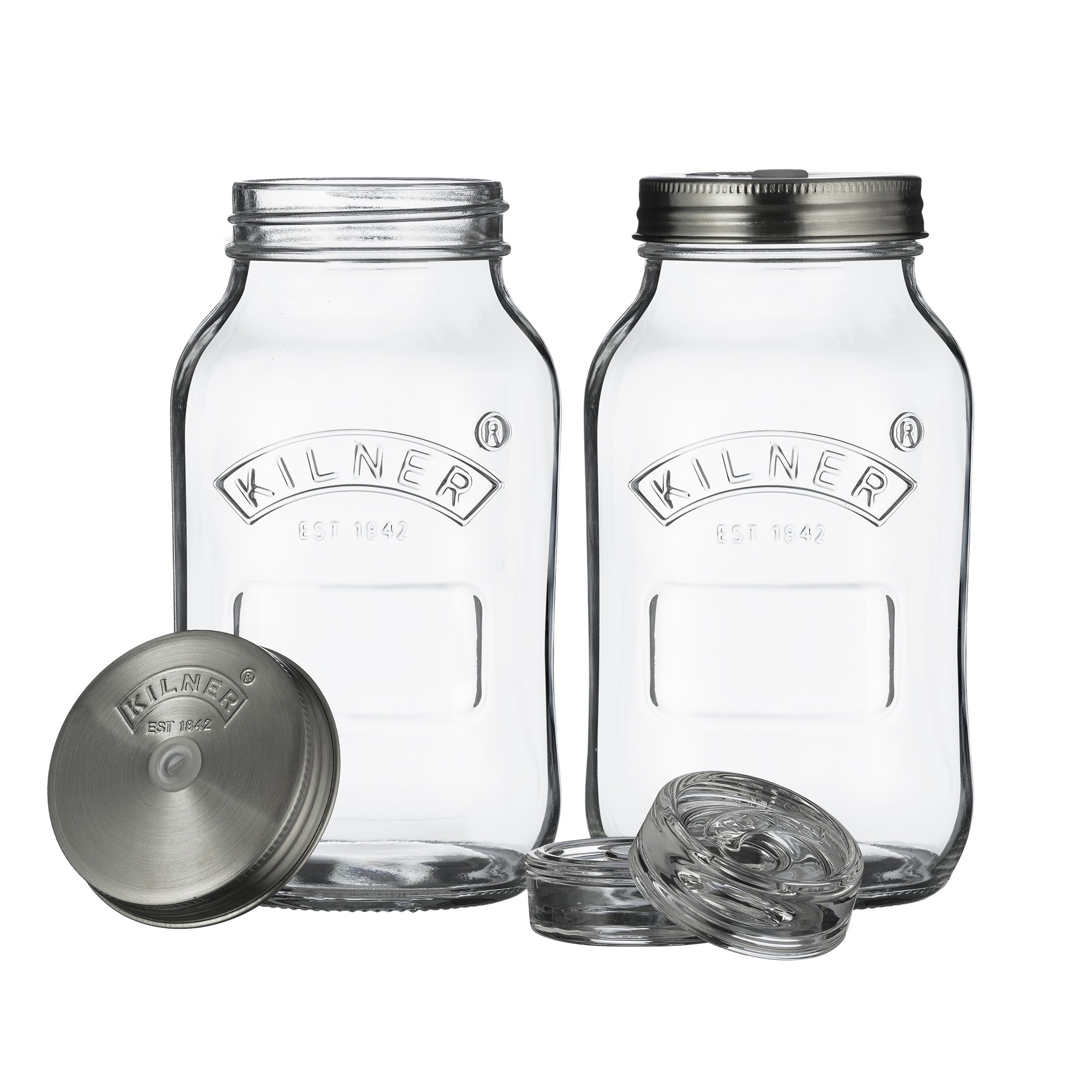
Fermentation is a popular and ancient food preservation technique that not only extends the shelf life of foods but also enhances their nutritional value. From sauerkraut to kimchi, kombucha to yogurt, fermentation has been practiced for centuries across various cultures. If you’re interested in trying your hand at fermenting your own foods at home, investing in affordable fermentation containers is a must.
One of the key factors to successful fermentation is choosing the right container. Fermentation containers come in various shapes and sizes, each catering to different types of fermented foods. When looking for affordable options, consider materials like glass or food-grade plastic. These materials are non-reactive and don’t leach harmful chemicals into your ferments.
Glass jars are a popular choice for fermenting vegetables like pickles and sauerkraut. They are easy to clean, reusable, and allow you to observe the fermentation process without opening the container and risking contamination. Look for wide-mouthed jars that make it easier to pack ingredients tightly and facilitate stirring during fermentation.
For larger batches or liquid ferments like kombucha or kefir, consider investing in a glass or ceramic crock with an airlock lid. These containers provide ample space for your fermenting brew while allowing gases produced during fermentation to escape without letting oxygen in. This helps create an anaerobic environment ideal for probiotic growth.
Plastic fermentation buckets are another budget-friendly option suitable for making large batches of fermented foods like sauerkraut or kimchi. They often come with lids that can be sealed tightly to prevent contaminants from entering while still allowing gases produced during fermentation to escape.
If you prefer a more specialized approach to fermenting specific foods like sourdough bread or cheese, there are affordable options available as well. For example, bannetons made from natural rattan cane are great for proofing dough before baking sourdough bread. Cheese molds made from food-grade plastic can help shape soft cheeses like ricotta or feta.
When selecting affordable fermentation containers, always prioritize those made from food-safe materials that won’t react with acidic ferments or leach harmful substances into your food. Additionally, choose containers that are easy to clean and maintain hygiene throughout the fermentation process.
In conclusion, investing in quality yet affordable fermentation containers is essential for successful home fermentations. Whether you’re just starting out or have been fermenting foods for years, having the right tools can make all the difference in producing delicious and safe fermented products packed with probiotics and nutrients.

Leave a Reply