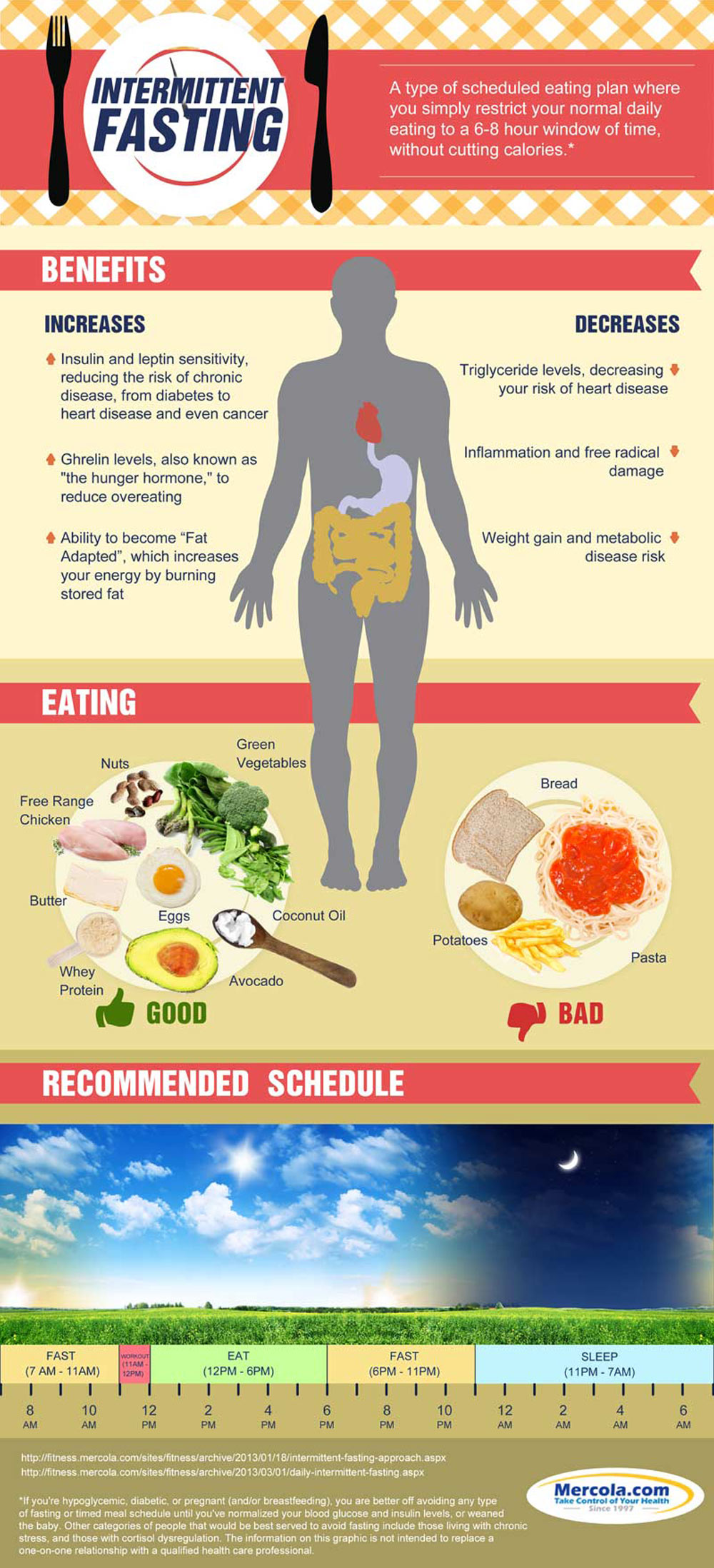
Intermittent fasting has gained significant popularity in recent years as a powerful tool for weight management and overall health improvement. While the practice of intermittent fasting may seem like a new trend, it actually has deep roots in human history, with various cultures and religions incorporating fasting into their traditions for centuries.
So, what exactly is intermittent fasting? At its core, intermittent fasting involves cycling between periods of eating and fasting. Unlike traditional diets that focus on what you eat, intermittent fasting focuses on when you eat. There are several different methods of intermittent fasting, but the most common ones include the 16/8 method (fasting for 16 hours and eating within an 8-hour window), the 5:2 diet (eating normally for five days a week and restricting calories on the other two days), and alternate day fasting (alternating between regular eating days and very low-calorie or no food days).
One of the key reasons why intermittent fasting has become so popular is because it offers numerous health benefits beyond just weight loss. Research has shown that intermittent fasting can help improve insulin sensitivity, promote cellular repair processes called autophagy, reduce inflammation in the body, lower risk factors for heart disease such as cholesterol levels and blood pressure, and even potentially extend lifespan.
When we fast, our bodies undergo various changes at the cellular level to make better use of nutrients and energy. During the fasting period, our insulin levels drop significantly which allows fat cells to release stored glucose as energy. This process also facilitates fat burning by increasing norepinephrine levels which boosts metabolism. Additionally, when we fast our cells initiate autophagy – a process where they remove dysfunctional proteins that build up inside them over time.
Furthermore, intermittent fasting can be an effective strategy for weight loss due to its ability to create a calorie deficit without strict calorie counting or food restrictions. By limiting your eating window or reducing your caloric intake on certain days, you naturally consume fewer calories overall which can lead to weight loss over time.
It’s essential to note that while intermittent fasting can be beneficial for many people when done correctly under proper guidance from healthcare professionals or nutritionists; it may not be suitable for everyone. Individuals who are pregnant or breastfeeding should avoid engaging in any form of caloric restriction including intermittent fasting to ensure adequate nutrient intake for themselves and their growing baby.
Moreover, those with a history of disordered eating patterns should approach intermittent fasting with caution as it could potentially trigger unhealthy behaviors related to food restriction or binge-eating episodes.
If you’re considering trying out intermittent fasting as part of your lifestyle routine there are some key tips worth keeping mind:
1. Stay hydrated: It’s crucial to drink plenty of water during both your eating window and especially during your fasted periods.
2. Focus on nutrient-dense foods: When breaking your fast opt for whole foods rich in nutrients such as fruits vegetables lean proteins healthy fats & whole grains.
3. Listen to your body: If you feel unwell dizzy lightheaded extremely hungry or experience any negative symptoms while practicing IF consider stopping & consulting with a healthcare professional.
4. Be patient: Results from intermittent-fasting might take time so give yourself grace & allow your body adjust accordingly.
In conclusion Intermittent Fasting is more than just another fad diet; It’s a lifestyle change backed by scientific research that can offer numerous benefits beyond just shedding pounds including improved metabolic health longevity & reduced risk factors chronic diseases.
Remember always consult with healthcare professionals before making significant changes dietary habits especially if have pre-existing medical conditions.

Leave a Reply