Spain is a country rich in history, culture, and most importantly, food. Known for its vibrant culinary scene, Spain offers a wide variety of healthy and delicious dishes that are sure to please any palate. From fresh seafood to flavorful vegetables and hearty stews, Spanish cuisine embodies the Mediterranean diet which is widely acclaimed for its health benefits.
One of the staples of Spanish cuisine is olive oil. Spaniards use olive oil generously in their cooking, as it adds flavor and richness to dishes while also providing numerous health benefits. Olive oil is high in monounsaturated fats, which are known to lower bad cholesterol levels and reduce the risk of heart disease. It is also rich in antioxidants that help fight inflammation and protect against chronic diseases.
Seafood plays a prominent role in Spanish cuisine due to the country’s extensive coastline. Fish such as sardines, anchovies, tuna, and cod are commonly enjoyed in Spain. These fish are excellent sources of protein and omega-3 fatty acids, which are essential for heart health and brain function. Grilled or baked fish dishes are popular choices among Spaniards who appreciate simple preparations that allow the natural flavors of the fish to shine through.
Vegetables also feature prominently in Spanish cooking. Tomatoes, peppers, onions, eggplant, zucchini, and artichokes are just a few examples of vegetables commonly used in traditional Spanish recipes like gazpacho (a cold tomato-based soup) or pisto (a vegetable stew). These vegetables provide essential vitamins, minerals, fiber, and antioxidants that support overall health and well-being.
Legumes such as chickpeas (garbanzo beans), lentils, and white beans are another important component of the Spanish diet. Legumes are an excellent source of plant-based protein as well as fiber which helps with digestion and promotes satiety. Dishes like cocido madrileño (Madrid-style stew) or fabada asturiana (Asturian bean stew) showcase how these nutrient-dense legumes can be incorporated into comforting meals that nourish both body and soul.
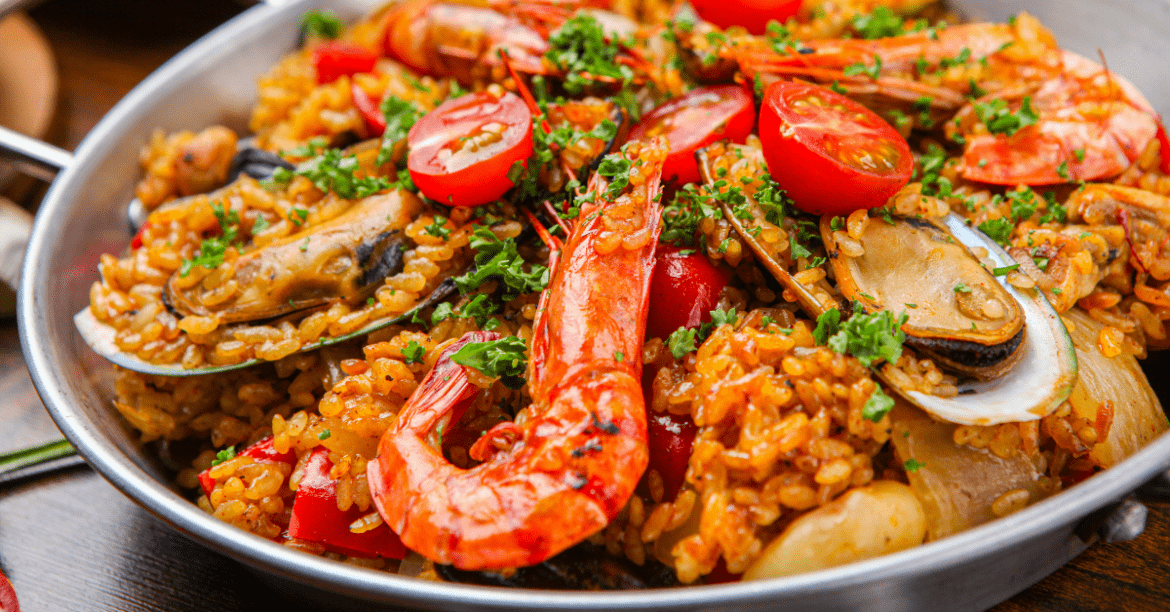
Spanish cuisine also includes a variety of grains such as rice (especially in paella), barley (used in soups), quinoa (often found in salads), or bread made from whole wheat flour. Whole grains provide complex carbohydrates that release energy slowly over time while also offering essential nutrients like B vitamins and fiber.
Nuts play a significant role in Spanish cuisine too; almonds being one of the most commonly used nuts along with walnuts or hazelnuts depending on regional preferences. Nuts contain healthy fats that can help lower bad cholesterol levels when consumed as part of a balanced diet.
When it comes to beverages – particularly wine – Spain has much to offer in terms of both quality taste experiences but also potential health benefits associated with moderate consumption thanks largely due not only their antioxidant content but possibly effects on blood pressure regulation too according some studies done over years have shown correlation between wine drinking habits populations countries where people tend drink more red wines having lower incidence cardiovascular problems compared those who do not consume alcohol at all
Overall Spain’s emphasis on fresh ingredients cooked simply highlights why this type eating style so appealing: flavorful wholesome without need excessive amounts salt sugar fat make taste good! Whether you’re exploring tapas bars Madrid enjoying beachside paella Valencia savoring pintxos Basque Country there something everyone enjoy here whether they want try new foods improve their current ones just love trying different cuisines around world-¡Buen provecho!

Leave a Reply